
What is crate training? Crate training is teaching your dog to see their crate as a safe and comfortable den, not a punishment. This guide will walk you through every step, whether you have a crate training puppy or a crate training adult dog.
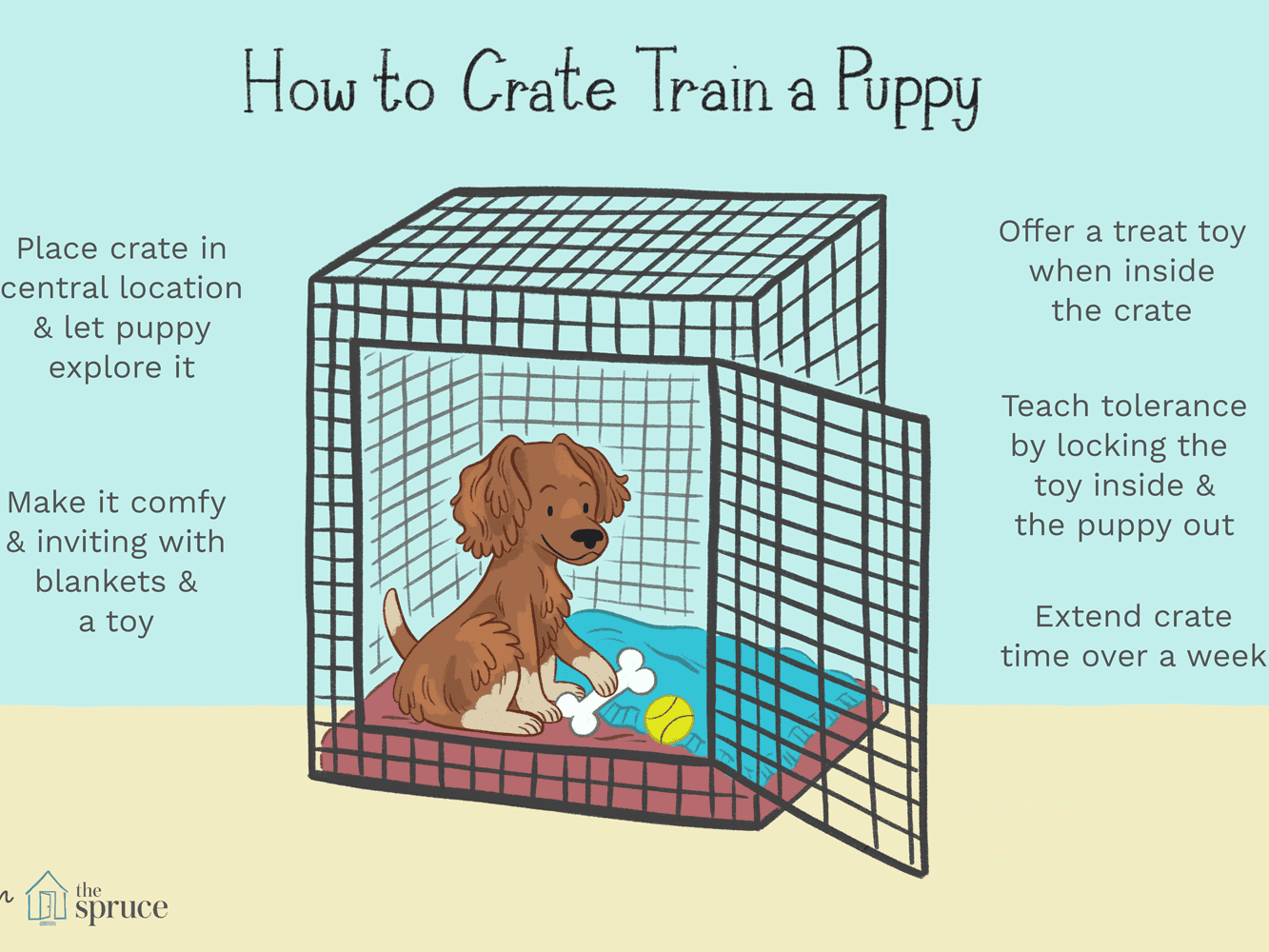
Image Source: www.oaklandanimalservices.org
Why Crate Train Your Dog?
Crate training offers numerous benefits for both you and your dog:
- Safety and Security: A crate provides a safe haven for your dog, especially during stressful times like thunderstorms or when guests are over.
- Housebreaking with Crate: Crates aid in housebreaking with crate training because dogs naturally avoid soiling their sleeping area.
- Preventing Destructive Behavior: When you can’t supervise, a crate prevents your dog from chewing furniture or getting into trouble.
- Travel: A crate makes traveling with your dog easier and safer.
- Recovery: If your dog needs surgery or has an injury, a crate can help them rest and recover.
- Reduces Separation Anxiety: Crate Training can assist in curbing separation anxiety.
Choosing the Right Crate
Selecting the right crate is crucial for successful training. Here’s how to pick the best one for your dog:
Dog Crate Size
The dog crate size should be large enough for your dog to stand up, turn around, and lie down comfortably. If you have a puppy, consider buying a crate with a divider so you can adjust the size as they grow. A crate that’s too big can defeat the purpose of housebreaking, as the puppy might eliminate in one corner and sleep in another.
How to Measure Your Dog for a Crate:
- Length: Measure your dog from the tip of their nose to the base of their tail.
- Height: Measure your dog from the floor to the top of their head when they are sitting.
- Add a few inches to both measurements to ensure comfort.
Here is a table with estimates for the crate dimensions:
| Dog Breed Size | Weight (lbs) | Crate Size (inches) |
|---|---|---|
| Toy | Under 10 | 24 x 18 x 18 |
| Small | 11-25 | 30 x 21 x 24 |
| Medium | 26-40 | 36 x 24 x 26 |
| Large | 41-70 | 42 x 28 x 30 |
| Extra Large | 71-90 | 48 x 30 x 32 |
Types of Crates
- Wire Crates: These are durable, well-ventilated, and easy to clean. They are often foldable for storage.
- Plastic Crates (Kennels): These are ideal for travel and are often required for air travel. They provide more privacy and security.
- Soft-Sided Crates: These are lightweight and portable, suitable for well-trained dogs who won’t chew or scratch.
- Furniture Crates: These are designed to look like furniture and blend in with your home decor.
Introducing Your Dog to the Crate
The key to successful crate training is to make the crate a positive experience. Here’s how to do it:
Step 1: Make the Crate Comfortable
- Location: Place the crate in a common area of your home, like the living room or bedroom, where your dog can be near you.
- Bedding: Place a soft, comfortable bed or blanket inside the crate.
- Toys: Add a few of your dog’s favorite toys to the crate.
- Positive Association: Sprinkle treats inside the crate to encourage your dog to enter.
Step 2: Encourage Exploration
- Leave the Door Open: Allow your dog to explore the crate at their own pace. Never force them inside.
- Toss Treats Inside: Throw treats or toys into the crate to encourage your dog to go inside.
- Praise and Reward: When your dog enters the crate, praise them enthusiastically and give them a treat.
Step 3: Short Periods of Time
- Feed Meals in the Crate: Place your dog’s food bowl inside the crate. At first, you may need to put the bowl just inside the door, gradually moving it further in as your dog becomes more comfortable.
- Short Crate Sessions: Once your dog is comfortable eating in the crate, start closing the door for a few seconds while they eat. Gradually increase the time.
- Stay Nearby: Stay in the room while your dog is in the crate to provide reassurance.
Building Up Crate Time
Gradually increase the amount of time your dog spends in the crate. Remember, positive crate training is key.
Crate Training Puppy Schedule
Here’s a sample dog crate training schedule for puppies:
| Time | Activity | Duration |
|---|---|---|
| Morning | Place puppy in crate with a treat while you get ready. | 10-15 min |
| Mid-Morning | Short crate session with a chew toy. | 20-30 min |
| Afternoon | Nap time in the crate after playtime. | 1-2 hours |
| Evening | Quiet time in the crate with a stuffed Kong. | 30-45 min |
| Overnight Crate Training | Puppy sleeps in crate (see below for tips) | Varies |
Crate Training Adult Dog
The process is similar for adult dogs, but it may take longer if they have had negative experiences with crates in the past.
- Start Slow: Begin with very short sessions (a few seconds) and gradually increase the time.
- Be Patient: Never force your dog into the crate.
- Positive Reinforcement: Use treats, praise, and toys to reward your dog for entering and staying in the crate.
Overnight Crate Training
Overnight crate training can be easier if your dog is already comfortable with the crate.
- Location: Keep the crate in your bedroom so your dog feels close to you.
- Potty Breaks: Take your puppy out for a potty break right before bedtime and first thing in the morning. Puppies can’t hold their bladders all night, so expect some accidents initially.
- Ignore Whining: If your dog whines or cries in the crate, ignore it unless you suspect they need to go to the bathroom. Responding to whining can reinforce the behavior. If they need to go, take them outside, but do so without talking or playing. Immediately return them to the crate afterward.
Addressing Common Crate Training Challenges
Crate training isn’t always smooth sailing. Here are some common challenges and how to overcome them:
Whining and Barking
- Ignore it (usually): If you’re sure your dog doesn’t need to go to the bathroom or isn’t in distress, ignore the whining and barking. They may be testing you.
- Reward Quietness: When your dog is quiet, even for a few seconds, praise them and give them a treat.
- Rule out Distress: If whining continues persistently, rule out possible pain, sickness or anxiety. If you think the dog is feeling unwell, contact your vet.
Resistance to Entering the Crate
- Make it More Appealing: Add high-value treats or a favorite toy to the crate.
- Try a Different Crate: Some dogs prefer wire crates, while others prefer plastic ones.
- Move the Location: Try moving the crate to a different room.
Crate Training Separation Anxiety
Crate training separation anxiety can be tricky. Here’s how to approach it:
- Consult a Professional: If your dog has severe separation anxiety, consult a veterinarian or a certified dog trainer.
- Desensitization: Gradually expose your dog to being alone in the crate. Start with very short periods and gradually increase the time.
- Counter-Conditioning: Associate the crate with positive experiences, such as giving your dog a special treat or toy only when they are in the crate.
- Calming Aids: Consider using calming aids like pheromone diffusers or calming treats.
How to Make Crate Comfortable for Dog
- Soft Bedding: A comfortable bed is essential.
- Familiar Smells: Place a blanket or toy with your scent in the crate.
- Temperature Control: Make sure the crate is not too hot or too cold.
- Quiet Environment: Place the crate in a quiet area of your home.
- Cover the Crate: Some dogs feel more secure with a blanket or cover over the crate.
- Provide Water: Ensure your dog has access to fresh water, especially during longer crate sessions.
Crate Training Tips for Success
Here are some additional crate training tips to keep in mind:
- Be Patient: Crate training takes time and consistency.
- Be Consistent: Stick to a regular schedule.
- Never Use the Crate as Punishment: This will create negative associations with the crate.
- Supervise Initially: Don’t leave your dog in the crate for extended periods until they are fully comfortable.
- Keep Sessions Positive: End each session on a positive note with praise and a treat.
- Clean Regularly: A dirty crate is uncomfortable.
- Rotate Toys: This keeps them from getting bored
When Crate Training Isn’t Working
While crate training is effective for most dogs, there are situations where it may not be the best option:
- Medical Conditions: Dogs with certain medical conditions, such as incontinence or severe anxiety, may not be suitable for crate training.
- Severe Trauma: Dogs who have experienced trauma associated with confinement may have difficulty adjusting to a crate.
- Ethical Considerations: If your dog is consistently distressed by the crate, it may be kinder to explore alternative management methods.
In these cases, consider consulting with a veterinarian, a certified dog trainer, or a veterinary behaviorist to explore alternative solutions. These might include:
- Dog-Proofing: Making your home safe and secure for your dog when you are not around.
- Doggy Daycare: Providing your dog with socialization and exercise during the day.
- Professional Training: Addressing underlying behavioral issues that may be contributing to your dog’s distress.
FAQ Section
Q: Can I leave my puppy in the crate all day while I’m at work?
A: No, puppies should not be left in a crate for extended periods. A general rule is that puppies can hold their bladder for their age in months plus one, up to a maximum of about 8 hours. An adult dog can be left for 8 hours but it should be part of a regular routine. Arrange for someone to let your puppy out for potty breaks and playtime if you work long hours.
Q: My dog hates the crate. What should I do?
A: Go back to the basics. Make sure the crate is comfortable and inviting. Start with very short sessions and gradually increase the time. Use high-value treats and praise to create positive associations.
Q: Is it cruel to crate train a dog?
A: No, crate training is not cruel if done correctly. When introduced properly, the crate becomes a safe and comfortable den for your dog.
Q: What if my dog eliminates in the crate?
A: Clean the crate thoroughly with an enzymatic cleaner to remove any lingering odors. Reduce the amount of time your dog spends in the crate and take them out for more frequent potty breaks. If this continues, consult your veterinarian to rule out any medical issues.
The timeline for crate training is as unique as each canine companion. While some pups embrace their cozy den in mere days, others may require a more extended period, stretching into weeks or even months. The keys to success? Unwavering patience and steadfast consistency.
Q: Who is a good resource to consult if I am struggling with crate training?
A: A certified professional dog trainer can help with any aspect of your crate training plan.
By following these guidelines, you can successfully crate train your dog and provide them with a safe, comfortable, and secure space they can call their own. Good luck!