
Can dog fleas go in human hair? The short answer is yes, dog fleas can jump to humans and briefly reside in human hair. However, they are unlikely to live there long-term or establish a full-blown infestation. This article explores the relationship between dog fleas and human hair, separating fact from fiction and providing practical advice for dealing with these pesky parasites.
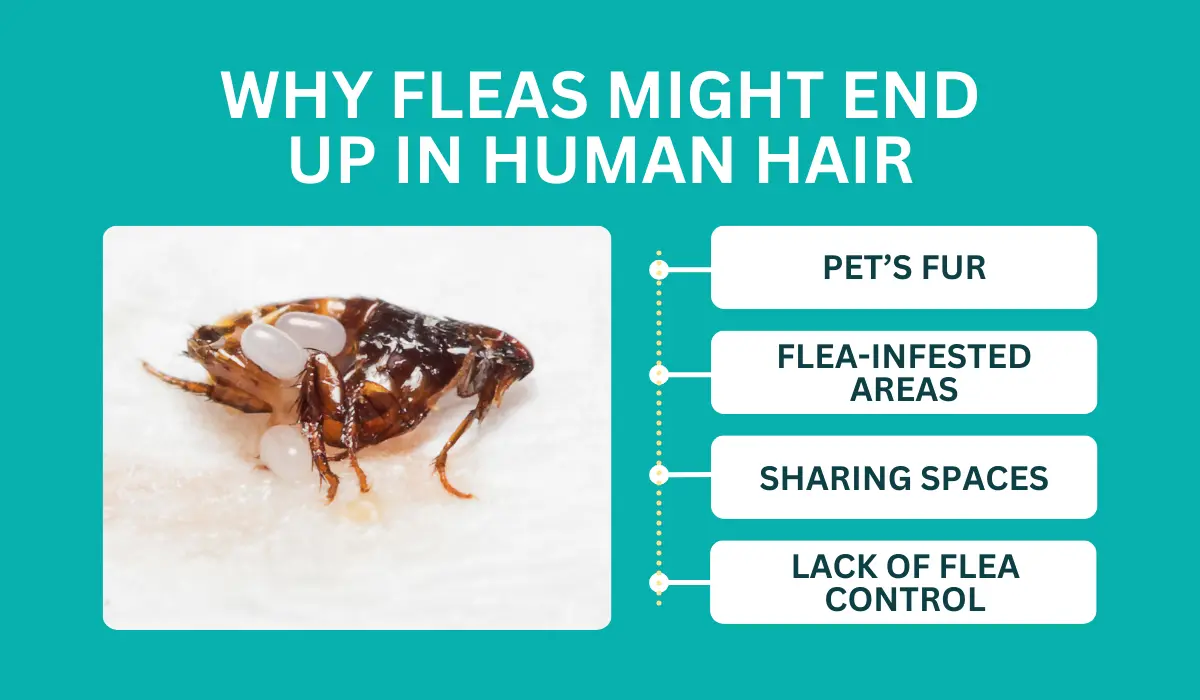
Image Source: www.nativepestmanagement.com
Dog Fleas in Human Hair: A Closer Look
While humans are not the primary hosts for dog fleas (scientifically known as Ctenocephalides canis), they are opportunistic and will bite humans for a blood meal. This often leads to the question: can fleas live and thrive in human hair? Let’s delve into the details.
Why Fleas Prefer Dogs Over Humans (and Human Hair)
Dog fleas prefer dogs for several key reasons:
- Fur: A dog’s fur provides the perfect environment for fleas to hide, move around, and lay eggs. The dense fur offers protection and insulation, which human hair simply can’t provide.
- Skin: Dog skin is thinner and easier to bite through than human skin. Fleas prefer this.
- Body Temperature: Dogs have a higher average body temperature than humans, which fleas find more appealing.
Can Fleas Live in Human Hair? Examining the Myth
The myth that fleas can easily infest human hair often stems from the discomfort of flea bites and the general creepiness of the idea. But here’s the reality:
- Fleas Need Specific Conditions: Fleas need a warm, humid, and protected environment to thrive. Human hair, while providing some shelter, doesn’t offer the same level of protection as a dog’s fur.
- Human Grooming Habits: We shower, shampoo, and comb our hair regularly, which makes it difficult for fleas to establish a stable population.
- Limited Food Source: While fleas can bite humans, human blood isn’t their preferred food source. They are more attracted to canine blood.
Dog Fleas Jump to Humans: How Likely Is It?
It is quite common for fleas to jump from a dog to a human. Fleas are excellent jumpers. They can jump surprisingly high and far relative to their size. If your dog has fleas, they can easily jump onto your clothes, skin, or even hair when you interact with your pet.
- Proximity Matters: Close contact with an infested dog increases the likelihood of fleas jumping onto you.
- Environmental Factors: A flea-infested environment (e.g., carpets, bedding) also makes it easier for fleas to jump onto humans.
Flea Infestation: Human Hair vs. Environment
It’s crucial to distinguish between fleas briefly being in your hair and a full-blown flea infestation in your hair. The latter is extremely rare. A flea infestation is more likely to exist in the environment around you.
Where Fleas REALLY Live: The Environment
Fleas primarily live and breed in the following areas:
- Carpets and Rugs: Flea larvae thrive in the fibers of carpets and rugs.
- Pet Bedding: This is a prime breeding ground for fleas.
- Furniture: Fleas can hide in upholstery and crevices.
- Cracks and Crevices: Fleas can lay eggs in cracks in floors and walls.
- Yards: Fleas also can exist in the yard, particularly in shady or humid spots.
Fleas on Humans Head: What Are the Signs?
While a flea infestation in human hair is rare, flea bites on the scalp are a common indicator that fleas have been in your hair or on your head. Other signs include:
- Itching: Intense itching on the scalp or neck.
- Red Bumps: Small, red, raised bumps on the scalp, neck, or hairline.
- Visible Fleas (Rare): Very occasionally, you might spot a flea crawling in your hair, but this is unusual.
- Flea Dirt: Small, dark specks (flea feces) in your hair or on your pillow.
Flea Bites on Scalp: Identification and Relief
Flea bites on the scalp can be incredibly irritating. Here’s how to identify them and find relief:
Identifying Flea Bites
- Appearance: Flea bites typically appear as small, red bumps, often in clusters of three or four.
- Location: Common areas for flea bites include the scalp, neck, ankles, and legs.
- Itchiness: Flea bites are intensely itchy, and scratching can lead to secondary infections.
How to Treat Flea Bites on Your Scalp
- Wash with Soap and Water: Gently wash the affected area with mild soap and water to prevent infection.
- Apply Anti-Itch Cream: Over-the-counter anti-itch creams containing hydrocortisone or calamine lotion can help relieve itching.
- Cool Compress: Applying a cool compress to the bites can reduce inflammation and itching.
- Oral Antihistamines: If the itching is severe, consider taking an oral antihistamine to reduce the allergic reaction.
| Treatment | Description |
|---|---|
| Soap and Water | Cleans the area to prevent infection. |
| Anti-Itch Cream | Reduces itching and inflammation. |
| Cool Compress | Provides soothing relief from itching. |
| Oral Antihistamines | Reduces the allergic reaction causing intense itching. |
Fleas in Human Hair Symptoms: What to Watch For
Aside from flea bites, other symptoms might indicate that fleas have been in your hair:
- Restlessness: Constant itching and irritation can make it difficult to relax or sleep.
- Small Red Spots: The bites can cause small red spots where the flea punctured the skin.
- Secondary Infection: Scratching can cause open wounds that could get infected.
- Allergic Reactions: Some people might experience more severe allergic reactions to flea bites, including hives or difficulty breathing (seek immediate medical attention if this occurs).
Flea Treatment for Human Hair: Effective Methods
If you suspect fleas have been in your hair, here are some effective treatment methods:
- Thorough Shampooing: Wash your hair thoroughly with a regular shampoo. Focus on the scalp and hairline. This can help dislodge any fleas that might be present.
- Flea Comb: Use a fine-toothed flea comb to comb through your hair, especially near the scalp. This can help remove fleas and flea dirt.
- Essential Oils (with Caution): Some essential oils, like lavender or tea tree oil, are believed to repel fleas. Dilute a few drops in a carrier oil (like coconut oil) and apply to your scalp. Be careful, as essential oils can irritate some people’s skin.
- Vinegar Rinse: A diluted vinegar rinse (equal parts water and white vinegar or apple cider vinegar) can help repel fleas and soothe the scalp.
Important Note: Avoid using harsh chemicals or flea treatments designed for pets on your own hair. These products can be toxic and harmful.
Step-by-Step Flea Removal Process
- Wash Your Hair: Use a clarifying shampoo.
- Comb Thoroughly: Use a flea comb.
- Rinse and Repeat: Repeat the process to ensure all fleas are removed.
- Treat Your Environment: This is the most important step. See below.
Do Fleas Lay Eggs in Human Hair? Unveiling the Truth
The likelihood of fleas laying eggs in human hair is very low. Fleas prefer to lay their eggs in protected environments like carpets, bedding, or cracks in the floor. The eggs are small, white, and non-sticky, so they easily fall off the host and into the environment.
Where Do Fleas Lay Eggs?
- Carpets: The most common location due to the protection afforded to the eggs and larvae.
- Pet Bedding: A warm and cozy environment for flea reproduction.
- Cracks in Floors: A safe haven for eggs to develop.
- Upholstered Furniture: Flea eggs and larvae can survive between cushions and folds.
Dog Fleas vs. Human Fleas in Hair: What’s the Difference?
While dog fleas can bite humans, true “human fleas” (Pulex irritans) are much less common in developed countries. The primary flea species affecting humans are typically cat fleas (Ctenocephalides felis) or dog fleas.
Distinguishing Between Flea Species
- Dog Fleas (Ctenocephalides canis): These are more common in dogs but can bite humans.
- Cat Fleas (Ctenocephalides felis): These are the most common fleas found on both cats and dogs and are also the most likely to bite humans.
- Human Fleas (Pulex irritans): These are less common but can infest humans and other animals.
- Appearance: The appearance is pretty much the same. It is difficult to differentiate without magnification.
Preventing Flea Infestation: Protecting Yourself and Your Home
The best way to prevent fleas from getting into your hair (or anywhere else) is to control fleas on your pets and in your environment.
Pet Care
- Flea Medication: Use veterinarian-recommended flea prevention medication on your pets regularly.
- Regular Grooming: Brush your pets regularly to check for fleas and flea dirt.
- Wash Pet Bedding: Wash your pet’s bedding frequently in hot water.
Home Environment
- Vacuum Regularly: Vacuum carpets, rugs, and furniture frequently to remove fleas, flea eggs, and larvae.
- Steam Cleaning: Steam cleaning carpets can kill fleas and flea eggs.
- Yard Maintenance: Keep your yard tidy by mowing the lawn and removing leaf litter, where fleas can thrive.
Personal Protection
- Protective Clothing: When spending time in flea-prone areas, wear long sleeves and pants.
- Insect Repellent: Use insect repellent containing DEET or picaridin.
- Check Yourself: After being in a flea-infested environment, check yourself for fleas.
Fathoming Flea Behavior
Unraveling the intricate world of flea behavior is a fascinating journey, and the deeper you delve into their habits, the more empowered you’ll become in thwarting any unwelcome invasions.
- Fleas Thrive in Warm Environments: Fleas prefer temperatures between 65 and 80 degrees Fahrenheit and high humidity.
- Life Cycle: Fleas go through a complete metamorphosis, which includes egg, larva, pupa, and adult stages.
- Flea Resistance: Fleas can develop resistance to certain insecticides, making flea control more challenging.
FAQ: Dog Fleas and Human Hair
Q: Can dog fleas live in human hair permanently?
A: No, dog fleas cannot live in human hair permanently. Human hair does not offer the same level of protection and warmth as a dog’s fur.
Q: Can fleas jump from dogs to humans easily?
A: Yes, fleas are excellent jumpers and can easily jump from dogs to humans, especially during close contact.
Q: What are the symptoms of fleas in human hair?
A: Symptoms include intense itching, red bumps on the scalp or neck, and possibly finding flea dirt in your hair.
Q: How can I get rid of fleas in my hair?
A: Wash your hair thoroughly with shampoo, use a flea comb, and treat your environment to eliminate fleas.
Q: Do fleas lay eggs in human hair?
A: It is unlikely that fleas will lay eggs in human hair, as they prefer to lay their eggs in carpets, bedding, and other protected environments.
Q: Are human fleas different from dog fleas?
A: While “human fleas” exist, dog and cat fleas are more commonly found on humans.
Q: What should I do if I get flea bites on my scalp?
A: Wash the bites with soap and water, apply anti-itch cream, and consider taking an oral antihistamine if the itching is severe.
By addressing the issue promptly and taking preventative measures, you can minimize the chances of fleas affecting you or your family.