
Yes, you can tell if your dog is cold by observing their behavior and physical signs. Key indicators include dog shivering, seeking warmth, dog curled up tightly, and even dog lethargy cold. This article will guide you on recognizing these cold weather dog signs and taking appropriate action to keep your furry friend comfortable and safe.
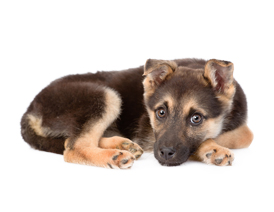
Image Source: www.greencrossvets.com.au
Spotting Cold Weather Woes: Recognizing the Signs
Dogs, just like humans, have varying tolerances to cold temperatures. Breed, size, age, and overall health all play a role. A Siberian Husky, with its thick double coat, will likely handle cold weather better than a short-haired Chihuahua. But regardless of breed, all dogs can experience discomfort and even health problems if exposed to prolonged periods of cold. Knowing the dog cold symptoms is the first step in protecting your pet.
Obvious Signs of Cold
These are the most noticeable indicators that your dog is feeling the chill:
- Dog Shivering: This is a primary sign. Shivering is an involuntary muscle contraction that generates heat. If your dog is shivering, they are definitely cold.
- Dog Curled Up Tightly: Dogs will often curl up in a ball to conserve body heat. This minimizes the surface area exposed to the cold.
- Dog Seeking Warmth: Look for your dog trying to snuggle under blankets, near radiators, or even seeking out sunbeams. This is a clear sign they are trying to get warm.
Subtle Signs of Cold
Sometimes, the signs are less obvious. Pay attention to these more subtle cues:
- Dog Lethargy Cold: A decrease in energy levels can indicate that your dog is trying to conserve energy to stay warm. If your dog is usually energetic but suddenly seems tired and listless, cold could be a factor.
- Dog Cold Paws: Check your dog’s paws. If they feel cold to the touch, especially after being outside, it’s a good indication they are feeling the cold. Be careful; some dogs do not like their paws touched.
- Dog Refusing to Go Outside Cold: A sudden reluctance to go outside, especially for walks or bathroom breaks, can be a sign that your dog is uncomfortable with the cold.
- Changes in Breathing: Rapid or shallow breathing can sometimes be a sign that your dog is trying to regulate its body temperature.
- Whining or Barking: Some dogs will vocalize their discomfort with the cold through whining or excessive barking.
Advanced Stages: Recognizing Canine Hypothermia
Canine hypothermia is a dangerous condition that occurs when a dog’s body temperature drops too low. It’s crucial to recognize the signs and seek immediate veterinary care if you suspect your dog is hypothermic.
Here’s how to recognize it:
- Dog Body Temperature Low: A normal dog body temperature ranges from 101°F to 102.5°F (38.3°C to 39.2°C). Hypothermia occurs when the temperature drops below 99°F (37.2°C). Use a rectal thermometer for accurate measurement.
- Severe Shivering (May Stop as Hypothermia Worsens): In the early stages, shivering will be intense. However, as hypothermia progresses, shivering may stop altogether as the body’s systems begin to shut down.
- Muscle Stiffness: Muscles become rigid and inflexible.
- Pale or Blue Gums: This indicates poor circulation and oxygen deprivation.
- Decreased Heart Rate and Breathing: These vital signs slow down significantly.
- Confusion or Disorientation: The dog may appear confused, disoriented, or unresponsive.
- Loss of Consciousness: In severe cases, hypothermia can lead to loss of consciousness.
If you suspect your dog has hypothermia, wrap them in warm blankets, offer warm (not hot) fluids if they are conscious, and transport them to a veterinarian immediately. This is a medical emergency.
Factors Influencing a Dog’s Cold Tolerance
Several factors determine how well a dog can tolerate cold temperatures:
- Breed: Some breeds, like Huskies, Malamutes, and Saint Bernards, are bred for cold weather and have thick double coats that provide excellent insulation. Other breeds, like Greyhounds, Chihuahuas, and Dobermans, have short coats and are more susceptible to the cold.
- Size: Smaller dogs tend to get cold more quickly than larger dogs due to their higher surface area-to-volume ratio, meaning they lose heat faster.
- Age: Puppies and senior dogs have a harder time regulating their body temperature compared to adult dogs.
- Body Fat: Body fat acts as insulation. Lean dogs are more prone to getting cold.
- Coat Condition: A healthy, well-maintained coat provides better insulation than a matted or dirty coat.
- Health: Dogs with underlying health conditions, such as heart disease, diabetes, or hormonal imbalances, may have a reduced tolerance to cold.
Protecting Your Dog From the Cold: Practical Steps
Taking proactive steps to protect your dog from the cold can prevent discomfort and potentially life-threatening situations.
Indoor Strategies
- Provide a Warm Bed: Ensure your dog has a comfortable, warm bed away from drafts. Consider using a heated bed for extra warmth, especially for puppies, senior dogs, or those with thin coats.
- Limit Drafts: Seal up any drafts around windows and doors.
- Dress Them Up (If Necessary): For short-haired or small breeds, consider using dog sweaters or coats indoors, especially if you keep your house cool.
- Ensure Adequate Hydration: Even in cold weather, it’s important to keep your dog hydrated. Make sure they have access to fresh, unfrozen water.
Outdoor Strategies
- Limit Exposure: Shorten walks on very cold days.
- Dog Coats & Sweaters: Invest in a well-fitting dog coat or sweater for outdoor activities. Choose one that covers the belly and chest for maximum warmth.
- Dog Boots: Consider using dog boots to protect their paws from the cold ground, ice, and salt.
- Paw Protection: If your dog refuses to wear boots, apply paw wax to create a barrier against the cold and salt.
- Towel Dry After Walks: After being outside, towel dry your dog thoroughly, paying special attention to their paws and belly.
- Be Mindful of Ice and Snow: Avoid walking your dog in areas with icy or snowy conditions, as these can be slippery and dangerous.
- Never Leave Your Dog Unattended in a Cold Car: Cars can quickly become dangerously cold, even on mildly cold days. Never leave your dog unattended in a car, even for a short period.
Diet and Hydration
- Adjust Food Intake: Some dogs may require slightly more calories during cold weather to help them maintain their body temperature. Consult with your veterinarian to determine if you need to adjust your dog’s food intake.
- Warm Meals: Offering a warm meal can help increase your dog’s body temperature.
- Fresh Water: Make sure your dog has access to fresh, unfrozen water at all times. Use heated bowls outdoors to prevent water from freezing.
Exercise
- Keep Them Active: Regular exercise helps generate body heat. However, be mindful of the weather conditions and adjust the intensity and duration of exercise accordingly.
- Indoor Activities: If it’s too cold to exercise outdoors, engage in indoor activities like playing fetch, tug-of-war, or using puzzle toys.
What to Do If You Suspect Your Dog Is Too Cold
- Bring Your Dog Inside: The first step is to get your dog into a warm environment.
- Dry Them Off: If your dog is wet, dry them thoroughly with a towel.
- Wrap Them in Warm Blankets: Wrap your dog in warm blankets to help raise their body temperature.
- Offer Warm Fluids: If your dog is conscious, offer them warm (not hot) water or broth.
- Monitor Their Temperature: Check your dog’s temperature regularly. If it remains below 99°F (37.2°C), seek veterinary care immediately.
- Veterinary Care: If your dog is showing signs of hypothermia, such as severe shivering, muscle stiffness, pale gums, or confusion, take them to a veterinarian immediately.
Table: Dog Breeds and Cold Weather Tolerance
| Breed | Cold Weather Tolerance | Notes |
|---|---|---|
| Siberian Husky | High | Bred for cold climates; thick double coat. |
| Alaskan Malamute | High | Bred for cold climates; thick double coat. |
| Saint Bernard | High | Thick coat; large size helps retain heat. |
| Newfoundland | High | Water-resistant coat; large size helps retain heat. |
| Bernese Mountain Dog | Medium to High | Thick double coat. |
| Labrador Retriever | Medium | Water-resistant coat; active breed generates heat. |
| German Shepherd | Medium | Thick double coat. |
| Golden Retriever | Medium | Water-resistant coat; active breed generates heat. |
| Beagle | Low to Medium | Short coat; benefits from a sweater in cold weather. |
| Dachshund | Low | Short legs and close proximity to the ground make them susceptible to the cold; needs a coat. |
| Chihuahua | Very Low | Small size and thin coat make them highly susceptible to the cold; needs a coat and close monitoring. |
| Greyhound | Very Low | Very lean body and short coat make them highly susceptible to the cold; needs a coat. |
| Doberman Pinscher | Very Low | Very lean body and short coat make them highly susceptible to the cold; needs a coat. |
Fathoming the Risks of Ignoring Cold Weather Signs
Ignoring the signs that your dog is cold can lead to serious health problems, including:
- Hypothermia: As discussed earlier, this is a life-threatening condition.
- Frostbite: Frostbite occurs when body tissues freeze. It most commonly affects the ears, tail, and paws.
- Arthritis Flare-Ups: Cold weather can exacerbate arthritis pain in older dogs.
- Increased Susceptibility to Illness: Cold weather can weaken the immune system, making dogs more susceptible to infections.
FAQ: Keeping Your Dog Warm and Safe
- What is the lowest temperature a dog can tolerate? It depends on the breed, size, and health of the dog. Generally, temperatures below 20°F (-6.7°C) are dangerous for most dogs, especially small breeds and those with thin coats.
- Can I use a human heating pad for my dog? Use caution. Direct contact with human heating pads can burn. It is better to use a pet-specific heated bed designed to prevent overheating.
- Who is most at risk for cold-related issues? Puppies, senior dogs, small breeds, short-haired breeds, and dogs with underlying health conditions are most at risk.
- What is the best way to warm up a cold dog? Bring them inside, dry them off, wrap them in warm blankets, and offer warm fluids. If they are showing signs of hypothermia, seek veterinary care immediately.
- Can I shave my dog in the winter? No, it’s generally not recommended to shave your dog in the winter, as their coat provides insulation against the cold. If necessary, only trim lightly.
- Can a dog get sick from being cold? Yes, prolonged exposure to cold can weaken a dog’s immune system and make them more susceptible to illness.
- What do I do if my dog refuses to wear a coat? Start by introducing the coat gradually, rewarding your dog with treats and praise. If they still refuse, try a different style or fit. Focus on positive reinforcement.
- What kind of booties are best for my dog? Look for booties that are durable, waterproof, and have a good grip. Make sure they fit properly and are comfortable for your dog to wear.
- How often should I check my dog’s paws in cold weather? Check your dog’s paws regularly for signs of cold damage, such as redness, swelling, or blisters.
With a keen eye and a few thoughtful preparations, you can ensure your furry friend thrives through the winter, feeling cozy, content, and secure. Should any health worries arise, a quick chat with your vet is always the best course of action.