
Yes, a dog can be spayed while in heat, but it’s generally not the ideal or preferred situation. Spaying during heat is possible but it comes with increased risks and complexities compared to spaying a dog not in heat. This article provides a comprehensive overview of spaying during heat, discussing the benefits and drawbacks, and offering expert veterinary advice.
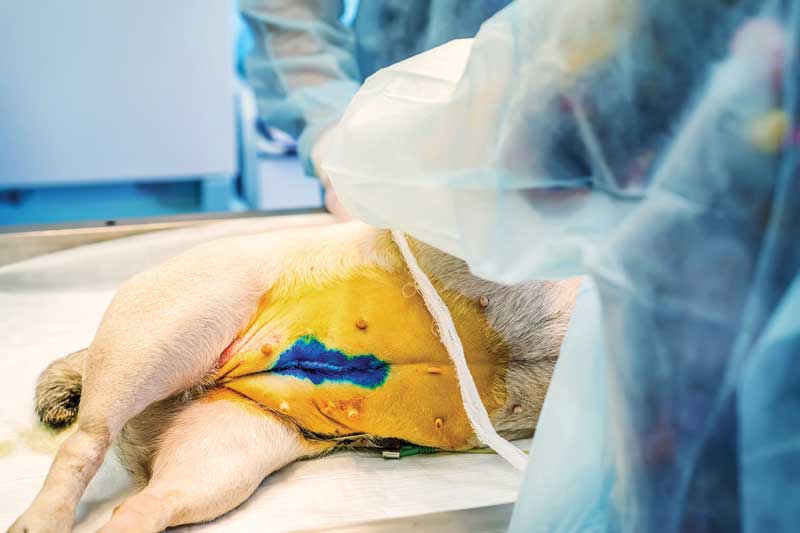
Image Source: www.veterinarypracticenews.com
Spaying During Heat: What You Need to Know
“Spaying during heat” refers to performing an ovariohysterectomy (the surgical removal of the ovaries and uterus) in a female dog while she is experiencing her estrus cycle, commonly known as “heat.” This period marks the time when she is fertile and able to become pregnant. The heat cycle typically lasts for 2-4 weeks and occurs roughly every six months, depending on the breed and individual dog.
The Dog Heat Cycle Explained
Before delving into the complexities of spaying during heat, let’s briefly explore the stages of a dog’s heat cycle.
- Proestrus: This is the initial stage, lasting about 9 days. The vulva swells, and a bloody discharge is present. Male dogs are attracted, but the female is not yet receptive.
- Estrus: Also lasting around 9 days, this is when the female is receptive to mating. The bloody discharge lightens to a straw color, or may cease entirely.
- Diestrus: This stage lasts approximately 60-90 days. Whether or not the dog is pregnant, her body acts as if she is.
- Anestrus: This is the period of reproductive inactivity, lasting about four to five months, before the next proestrus begins.
Is Ovariohysterectomy in Heat Safe?
While technically feasible, performing an ovariohysterectomy in heat poses increased surgical challenges. The blood vessels supplying the uterus and ovaries become engorged with blood during the heat cycle. This increased blood flow makes the surgery more technically demanding and raises the potential for increased bleeding and complications.
Risks of Spaying a Dog in Heat
There are several risks of spaying a dog in heat that need to be carefully considered:
- Increased Bleeding: As mentioned earlier, the increased blood flow to the reproductive organs makes the surgery more prone to significant blood loss.
- Longer Surgery Time: Because of the increased bleeding and tissue engorgement, the surgery often takes longer to perform.
- Higher Anesthetic Risk: The longer surgery time and potential for increased blood loss can increase the anesthetic risk for the dog.
- Increased Risk of Complications: Post-operative complications, such as infections and seromas (fluid-filled pockets), may be more likely.
- Higher Cost: Due to the increased complexity and time involved, the cost of spaying a dog in heat is often higher.
- Surgeon Comfort Level: Not all veterinarians are equally comfortable performing a spay during heat. The surgeon’s experience and skill are crucial.
Pros and Cons of Spaying in Heat
To make an informed decision, weigh the pros and cons of spaying in heat.
Pros:
- Prevents Unwanted Pregnancy: The most significant advantage is immediately preventing pregnancy.
- Eliminates Heat Cycle Symptoms: It stops the behaviors and inconveniences associated with being in heat (discharge, attraction of male dogs).
- Can be Life-Saving in Certain Situations: In some emergency spay during heat situations (e.g., pyometra, a life-threatening uterine infection), it’s the only option.
Cons:
- Increased Surgical Risk: Higher risk of bleeding, complications, and longer anesthesia time.
- Higher Cost: The procedure is typically more expensive due to its complexity.
- Not Always the Best Option: If the situation is not urgent, waiting until after the heat cycle is often preferable.
Best Time to Spay a Dog
The best time to spay a dog is generally before her first heat cycle, typically around 6 months of age. Spaying before the first heat cycle significantly reduces the risk of mammary cancer later in life. However, the timing can vary depending on the dog’s breed, size, and overall health. Your veterinarian can advise you on the most appropriate time for your dog.
What to Do If Your Dog is in Heat and You Want Her Spayed
If your dog is currently in heat and you want her spayed, here’s what you should do:
- Consult with Your Veterinarian: Schedule an appointment to discuss the situation. They can assess your dog’s health and advise on the best course of action.
- Discuss the Risks and Benefits: Understand the potential risks and benefits of spaying during heat compared to waiting.
- Consider the Urgency: If there’s no medical emergency, your vet may recommend waiting until after the heat cycle.
- If Spaying is Necessary, Choose an Experienced Surgeon: Ensure the veterinarian performing the surgery is experienced in spaying dogs in heat.
- Follow Pre- and Post-Operative Instructions Carefully: Meticulously follow your veterinarian’s instructions to minimize risks and ensure a smooth recovery.
Is Spaying a Dog Bleeding Safe?
Spaying a dog bleeding (i.e., during the proestrus or estrus phases) is associated with increased risk because of the elevated blood supply to the reproductive organs. Your vet will evaluate the stage of the cycle and your dog’s overall health to determine if the procedure can be safely performed.
Emergency Spay During Heat
In certain situations, an emergency spay during heat might be necessary. These situations include:
- Pyometra: A life-threatening infection of the uterus that requires immediate surgical removal.
- Uterine Torsion: Twisting of the uterus, cutting off blood supply and causing severe pain and tissue damage.
- Dystocia: Difficult labor where the dog is unable to deliver puppies naturally.
- Severe Uterine Hemorrhage: Uncontrolled bleeding from the uterus.
In these emergency cases, the benefits of immediate surgery outweigh the increased risks associated with spaying during heat.
Dog Heat Cycle and Spaying: Special Considerations
Several factors influence the decision to spay a dog in heat:
- Stage of the Heat Cycle: The risks are typically highest during the estrus (peak fertility) phase.
- Dog’s Overall Health: Underlying health conditions can increase the risks of surgery.
- Veterinarian’s Experience: A skilled and experienced surgeon can minimize potential complications.
- Availability of Advanced Monitoring and Support: Access to advanced monitoring equipment and blood transfusion capabilities can be crucial in managing potential complications.
Alternatives to Spaying a Dog in Heat
If you’re hesitant about spaying a dog in heat due to the increased risks, and the situation isn’t an emergency, you might consider the following alternatives to spaying a dog in heat:
- Waiting Until After the Heat Cycle: This is the most common and often recommended approach. Allow the dog to complete her heat cycle, and then schedule the spay surgery. The ideal time is typically 2-3 months after the heat cycle ends, when the reproductive tissues have returned to their normal state.
- Medical Management (Temporary): In some cases, medications can be used to suppress the heat cycle temporarily. However, this is not a long-term solution and has potential side effects. It is rarely recommended for preventing pregnancy.
- Strict Confinement: If preventing pregnancy is the primary concern, strict confinement to prevent contact with male dogs during the heat cycle is essential. This requires constant vigilance and can be challenging.
Cost of Spaying a Dog in Heat
The cost of spaying a dog in heat is generally higher than spaying a dog not in heat. This is due to the increased complexity of the surgery, the longer surgery time, and the potential need for additional monitoring and support. The exact cost can vary depending on several factors:
- Geographic Location: Veterinary costs vary depending on your location.
- Veterinarian’s Fees: Different clinics have different fee structures.
- Pre-Operative Blood Work: Pre-operative blood tests may be necessary to assess the dog’s overall health and clotting ability.
- Anesthesia and Monitoring: The type of anesthesia used and the level of monitoring can affect the cost.
- Post-Operative Pain Management: Pain medication is essential after surgery.
- Complications (If Any): If complications arise, the cost can increase significantly.
It’s best to get a detailed estimate from your veterinarian before proceeding with the surgery.
Making the Right Decision
Deciding whether or not to spay your dog while she is in heat is a complex decision that should be made in consultation with your veterinarian. Consider the risks and benefits, the urgency of the situation, your dog’s overall health, and your veterinarian’s experience. In most cases, waiting until after the heat cycle is the safest and most prudent option. However, in emergency situations, spaying during heat can be life-saving.
Important Note: This article is intended for informational purposes only and does not substitute professional veterinary advice. Always consult with a qualified veterinarian for any health concerns or before making any decisions related to your pet’s health or treatment.
Frequently Asked Questions (FAQ)
Q: How long does a dog’s heat cycle last?
A: A dog’s heat cycle typically lasts for 2-4 weeks.
Q: Can I prevent my dog from going into heat?
A: Yes, spaying is the most effective way to prevent your dog from going into heat.
Q: Is it more painful for a dog to be spayed while in heat?
A: The surgery itself may not be more painful, but the increased inflammation and tissue engorgement can contribute to more post-operative discomfort. Adequate pain management is crucial.
Q: What happens if my dog gets pregnant accidentally?
A: If your dog gets pregnant accidentally, you have several options: allowing the pregnancy to continue, spaying to terminate the pregnancy, or medical termination of the pregnancy. Discuss these options with your veterinarian.
Q: How soon after my dog’s heat cycle can she be spayed?
A: The ideal time to spay a dog after her heat cycle is typically 2-3 months after it ends, allowing the reproductive tissues to return to their normal state.
Q: What are the signs of pyometra?
When your dog isn’t acting like herself, watch for warning signs of pyometra: she might be unusually tired, refusing food, drinking and peeing much more, her belly may be visibly swollen, and you might notice a vaginal discharge that could be tinged with blood or pus. This is a critical health crisis demanding swift veterinary care.