
Yes, dogs can have wild rice! Wild rice is generally safe for dogs to eat in moderation. It can even offer some nutritional benefits. However, there are crucial factors to consider, such as proper preparation, portion control, and potential allergies. This article will delve into everything you need to know about feeding dogs wild rice, covering the benefits, risks, and safe serving guidelines.
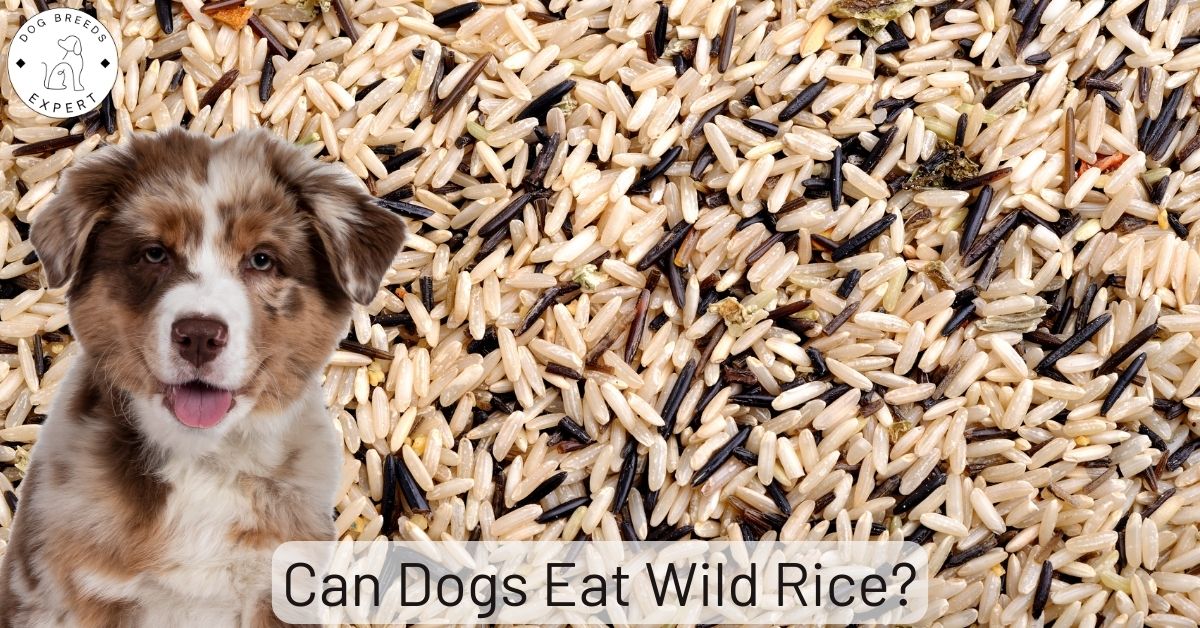
Image Source: www.dog-breeds-expert.com
What is Wild Rice?
Wild rice isn’t actually rice. It’s the seed of an aquatic grass. It primarily grows in shallow lakes and slow-flowing rivers. It is native to North America and has been a food staple for indigenous peoples for centuries. It has a chewy texture and a nutty flavor.
Nutritional Value of Wild Rice for Dogs
Wild rice is a powerhouse of nutrients, making it potentially beneficial for dogs when fed correctly. Let’s look at its key nutritional components:
| Nutrient | Amount per 1 cup (cooked) | Benefit for Dogs |
|---|---|---|
| Calories | 166 | Energy source |
| Protein | 6.5 grams | Muscle building and repair |
| Fiber | 3 grams | Aids digestion, promotes gut health, helps with weight management |
| Manganese | 0.8 mg | Essential for enzyme function, bone development, and antioxidant defense |
| Magnesium | 52 mg | Supports nerve and muscle function, energy production |
| Phosphorus | 133 mg | Important for bone health, energy production, and cell function |
| Zinc | 2.1 mg | Boosts immune system, supports wound healing, and contributes to healthy skin and coat |
| B Vitamins (B6, Folate) | Varies | Supports nerve function, red blood cell production, and overall metabolism |
This table highlights why wild rice, when prepared and served correctly, can be a valuable addition to your dog’s diet.
Wild Rice Benefits for Dogs
When appropriately prepared, wild rice can offer several benefits for dogs. These benefits stem from its rich nutrient profile.
- Digestive Health: The fiber content in wild rice promotes healthy digestion. Fiber adds bulk to the stool, helping regulate bowel movements. It can ease constipation and promote overall gut health. This is particularly beneficial for dogs with sensitive stomachs.
- Energy Source: The carbohydrates in wild rice provide dogs with a sustained energy source. This is helpful for active dogs who need fuel for their activities.
- Muscle Support: Wild rice is a decent source of protein. Protein is essential for building and repairing muscles. It is beneficial for growing puppies and active adult dogs.
- Healthy Skin and Coat: Zinc contributes to healthy skin and a shiny coat. Dogs with zinc deficiencies may experience skin problems. Wild rice can help supplement their zinc intake.
- Immune System Boost: The presence of zinc and other vitamins and minerals in wild rice can support a healthy immune system. A strong immune system helps dogs fight off infections and illnesses.
- Weight Management: The fiber in wild rice can help dogs feel fuller for longer, potentially aiding in weight management. If your dog is overweight, adding controlled portions of wild rice might help them eat less overall.
Is Wild Rice Safe for Dogs?
Yes, wild rice is generally safe for dogs. However, there are important caveats.
- Proper Cooking: Always cook wild rice thoroughly before feeding it to your dog. Raw or undercooked wild rice can be difficult to digest and may contain harmful bacteria.
- Moderation is Key: Too much of any food can be harmful. Feed wild rice in moderation as a supplement to your dog’s regular diet, not as the main meal.
- No Added Seasonings: Avoid adding any salt, spices, or other seasonings to the wild rice you give your dog. Many seasonings are toxic to dogs.
- Consult Your Vet: Before introducing any new food into your dog’s diet, it’s always wise to consult with your veterinarian. They can assess your dog’s individual needs and health conditions.
Is Wild Rice Good for Dog Food?
Yes, wild rice is sometimes included as an ingredient in commercial dog food. Its nutritional benefits and digestibility make it a suitable option. Some dog food manufacturers use wild rice as a grain alternative. It can be a good option for dogs who are sensitive to corn, wheat, or soy.
Risks of Feeding Dogs Wild Rice
While wild rice offers benefits, there are potential risks to be aware of. Being mindful of these risks is essential for your dog’s safety.
- Digestive Upset: Introducing wild rice too quickly or in large quantities can cause digestive upset. This can manifest as diarrhea, vomiting, or gas. Start with small portions and gradually increase the amount.
- Allergies: Although rare, dogs can be allergic to wild rice. Signs of an allergic reaction include itching, hives, swelling, and difficulty breathing. If you suspect your dog has an allergy, stop feeding them wild rice and consult your veterinarian.
- Choking Hazard: Whole grains of uncooked wild rice could be a choking hazard, especially for small dogs or puppies. Ensure that the wild rice is cooked well and broken down into smaller pieces.
- Arsenic Concerns: Rice, including wild rice, can contain trace amounts of arsenic from the soil. While the levels are usually low, long-term consumption of large quantities of rice-based products could be a concern. Varying your dog’s diet and using wild rice in moderation can mitigate this risk.
Can Dogs Digest Wild Rice?
Yes, dogs can digest wild rice when it is cooked properly. Cooking breaks down the starches. This makes it easier for your dog’s digestive system to process. However, dogs have shorter digestive tracts compared to humans. They might not be able to extract all the nutrients from wild rice as efficiently as we can.
Wild Rice Dog Allergy
As mentioned earlier, while uncommon, dogs can be allergic to wild rice. Food allergies occur when the body’s immune system mistakenly identifies a food ingredient as harmful. This triggers an allergic reaction.
Symptoms of a wild rice allergy in dogs may include:
- Itching
- Hives
- Skin rashes
- Hair loss
- Ear infections
- Digestive upset (vomiting, diarrhea)
- Swelling of the face, lips, or tongue
- Difficulty breathing
If you observe any of these symptoms after your dog eats wild rice, stop feeding it to them. Contact your veterinarian immediately. They can perform allergy testing. They can also recommend an appropriate diet.
Preparing Wild Rice for Dogs
Proper preparation is essential to ensure that wild rice is safe and beneficial for your dog. Here’s a step-by-step guide:
- Rinse the Wild Rice: Before cooking, thoroughly rinse the wild rice under cold water. This removes any dirt, debris, or excess starch.
- Cooking:
- Stovetop: Combine 1 cup of wild rice with 3 cups of water or unsalted chicken broth in a pot. Bring to a boil, then reduce heat to low, cover, and simmer for 45-60 minutes, or until the grains are tender and have burst open.
- Rice Cooker: Follow the manufacturer’s instructions for cooking wild rice in your rice cooker. Usually, the ratio is 1 cup of wild rice to 2-3 cups of water or unsalted broth.
- Cooling: Once cooked, allow the wild rice to cool completely before serving it to your dog. Hot food can burn their mouth and esophagus.
- Serving:
- Mix a small amount of cooked wild rice into your dog’s regular food.
- Start with a tablespoon for small dogs. Start with two to three tablespoons for larger dogs.
- Observe your dog for any signs of digestive upset or allergic reactions.
- Storage: Store leftover cooked wild rice in an airtight container in the refrigerator for up to 3-4 days.
Important Considerations:
- No Seasonings: Do not add salt, pepper, garlic, onion, or any other seasonings to the wild rice. These can be toxic to dogs.
- Unsalted Broth: If using broth, make sure it is unsalted and specifically formulated for dogs.
- Plain is Best: Keep it simple. Cooked wild rice should be plain and unadulterated.
Feeding Dogs Wild Rice: Portion Sizes
Portion control is crucial when feeding your dog wild rice. Overfeeding can lead to digestive upset or weight gain. Here’s a general guideline:
| Dog Size | Suggested Portion (Cooked) | Frequency |
|---|---|---|
| Toy Breed | 1-2 tablespoons | 2-3 times per week |
| Small Breed | 2-3 tablespoons | 2-3 times per week |
| Medium Breed | 1/4 cup | 2-3 times per week |
| Large Breed | 1/2 cup | 2-3 times per week |
| Giant Breed | 3/4 cup | 2-3 times per week |
These are just general guidelines. Adjust the portion size based on your dog’s individual needs, activity level, and overall diet. Again, consult your veterinarian for personalized recommendations.
Wild Rice Dog Treat
You can use cooked wild rice as a healthy treat for your dog. You can mix it with other dog-friendly ingredients like:
- Cooked chicken or turkey (shredded)
- Pureed pumpkin
- Peanut butter (xylitol-free)
- Chopped carrots
Combine these ingredients in small amounts. Roll them into bite-sized balls. These treats should be given in moderation. They are supplementary to your dog’s regular diet.
Incorporating Wild Rice into Your Dog’s Diet
Here are a few ideas on how to add wild rice to your dog’s diet safely and effectively:
- Mix with Kibble: Add a small amount of cooked wild rice to your dog’s regular kibble. This can add variety and nutritional value to their meal.
- Homemade Dog Food: If you prepare homemade dog food, you can include wild rice as a component of the recipe. Make sure to balance it with other essential nutrients.
- Topper: Use a small amount of cooked wild rice as a topper for your dog’s food. This can entice picky eaters and provide additional nutrients.
- Training Treat: Use small pieces of cooked wild rice as a high-value training treat.
Fathoming Dog Nutrition
- Always prioritize a balanced diet: Wild rice should complement, not replace, your dog’s primary source of nutrition.
- Consider your dog’s life stage: Puppies, adults, and senior dogs have different nutritional needs.
- Monitor your dog’s weight: Adjust food portions as needed to maintain a healthy weight.
- Be observant: Pay attention to your dog’s stool quality and overall health.
- Talk to your vet: A vet is the best resource for personalized dog nutritional advice.
Frequently Asked Questions (FAQ)
Q: Can puppies eat wild rice?
A: Yes, puppies can eat wild rice in small amounts. It can provide them with energy and essential nutrients. Ensure the wild rice is cooked thoroughly. Introduce it gradually. Monitor for any signs of digestive upset or allergies.
Q: Is wild rice gluten-free?
A: Yes, wild rice is naturally gluten-free. This makes it a suitable option for dogs with gluten sensitivities or allergies.
Q: Can dogs eat wild rice soup?
A: It depends on the ingredients. If the soup contains onions, garlic, or excessive amounts of salt, it is not safe for dogs. Plain, homemade wild rice soup with dog-friendly ingredients is okay in small amounts.
Q: Can wild rice cause gas in dogs?
A: Yes, introducing wild rice too quickly or in large amounts can cause gas in some dogs. Start with small portions and gradually increase the amount to minimize this risk.
Q: What is the best way to store cooked wild rice for dogs?
A: Store leftover cooked wild rice in an airtight container in the refrigerator for up to 3-4 days.
Q: Is brown rice better than wild rice for dogs?
A: Both brown rice and wild rice can be beneficial for dogs. Brown rice is a good source of fiber and carbohydrates. Wild rice offers a more diverse range of nutrients. The best choice depends on your dog’s individual needs and preferences. Consult with your veterinarian for personalized recommendations.
Q: Can dogs eat wild rice everyday?
A: While wild rice has nutritional value, it shouldn’t be the only thing your dog eats daily. Balance is key. Too much of any single food can lead to dietary imbalances. Use it as a supplement, and ensure that the primary part of their diet comes from food that is complete and balanced.
Conclusion
Transform your dog’s meals with wild rice, a nutritional powerhouse when handled with care. This ancient grain brims with goodness, fueling vibrant energy, promoting a lustrous coat, fortifying digestion, and boosting immunity. Just remember, balance is key – proper cooking and a watchful eye for any sensitivities are paramount. Before you embark on this culinary adventure, a quick chat with your vet is essential to tailor this healthy addition to your dog’s unique needs. With these simple steps, you can confidently unlock the wellness advantages of wild rice for your furry friend.