
What happens when someone reports your dog for biting? When a dog bites someone, it can trigger a series of events involving animal control, potential legal action, and consequences for the dog and its owner. This guide explains the process, potential outcomes, and ways to protect yourself and your dog.
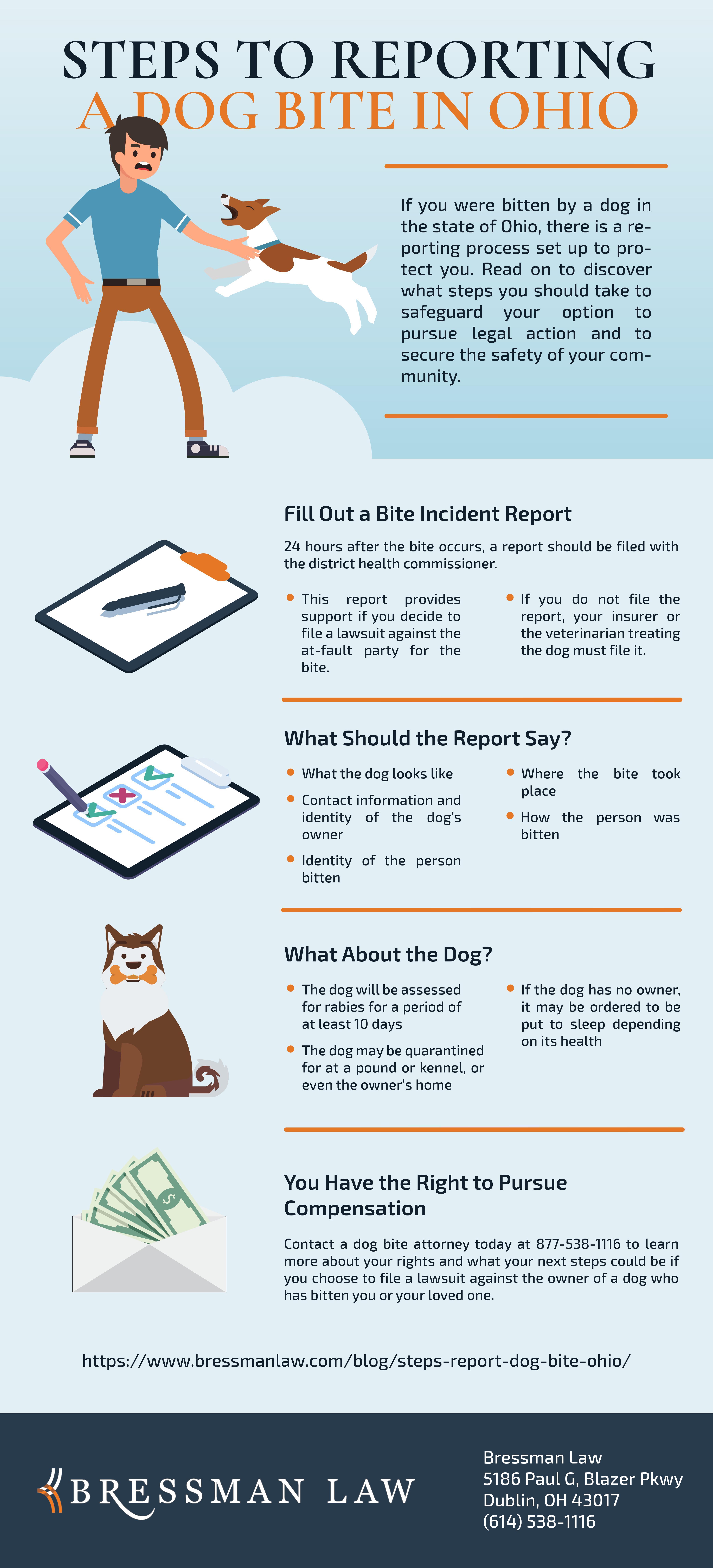
Image Source: www.bressmanlaw.com
Initial Actions After a Dog Bite Report
When a dog bite is reported, local authorities typically take immediate action. This response aims to protect public safety and determine the extent of the risk posed by the dog.
Dog Bite Reporting Consequences
Dog bite reporting triggers a formal process. The initial steps often include:
- Animal Control Involvement: Animal control officers are usually the first responders. They investigate the incident and assess the dog’s behavior and vaccination history.
- Documentation: A detailed report is created, including information about the bite victim, the dog, the location of the incident, and any witnesses.
- Immediate Assessment: Animal control evaluates the severity of the bite and any immediate danger the dog poses.
Animal Control Investigation Dog Bite
The animal control investigation is a crucial part of the process. It helps determine:
- Circumstances of the Bite: What led to the bite? Was the dog provoked? Was the victim trespassing?
- Dog’s History: Has the dog bitten anyone before? Is there a history of aggressive behavior?
- Vaccination Status: Is the dog current on its rabies vaccinations? This is vital for public health.
- Confinement: The dog might be confined immediately either at home or in a shelter pending further investigation.
Dog Bite Mandatory Reporting
In many jurisdictions, certain dog bites must be reported. These often include:
- Bites Causing Significant Injury: Bites that break the skin, require medical attention, or cause substantial tissue damage.
- Bites from Unvaccinated Dogs: Due to rabies concerns.
- Bites to Certain Individuals: Bites to children or elderly individuals might trigger mandatory reporting.
Failing to report a mandatory dog bite can lead to fines or other penalties.
Quarantine and Health Monitoring
A primary concern after a dog bite is the risk of rabies. Quarantine procedures are often implemented to monitor the dog’s health and prevent the spread of this deadly disease.
Dog Bite Quarantine Requirements
Quarantine requirements vary depending on local laws and the dog’s vaccination status. Common scenarios include:
- Home Quarantine: The dog remains at home, separated from people and other animals, under the owner’s supervision.
- Veterinary Quarantine: The dog is confined at a veterinary clinic for observation.
- Animal Shelter Quarantine: The dog is held at an animal shelter for the quarantine period.
The quarantine period typically lasts for ten days. If the dog shows no signs of rabies during this time, it is considered safe.
Rabies Observation
During quarantine, animal control or veterinary staff observe the dog for signs of rabies. Symptoms can include:
- Behavioral changes
- Difficulty swallowing
- Excessive drooling
- Paralysis
If rabies is suspected, the dog might be euthanized and tested.
Legal Repercussions and Liability
Dog bites can have significant legal consequences for the dog owner. Understanding your liability and potential legal repercussions is essential.
Liability for Dog Bites
Dog bite liability varies by state and local laws. Some common legal doctrines include:
- One-Bite Rule: In some states, an owner is only liable if they knew or should have known their dog was prone to biting. This is often referred to as the “one-bite rule” because the first bite puts the owner on notice.
- Strict Liability: Other states have strict liability laws, meaning the owner is liable for any bite, regardless of their knowledge of the dog’s behavior.
- Negligence: An owner can be held liable if they were negligent in controlling their dog, leading to the bite.
Dog Bite Legal Repercussions
Legal repercussions can include:
- Civil Lawsuits: The bite victim can sue the owner for medical expenses, lost wages, pain and suffering, and other damages.
- Criminal Charges: In severe cases, particularly if the bite resulted in serious injury or death, the owner might face criminal charges, such as reckless endangerment or aggravated assault.
- Fines: Local ordinances often impose fines for dog bites, especially if the dog was not properly licensed or vaccinated.
Dog Bite Lawsuit Risk
The risk of a dog bite lawsuit depends on several factors:
- Severity of the Injury: More severe injuries are more likely to result in a lawsuit.
- State Laws: States with strict liability laws make it easier to sue a dog owner.
- Owner’s Negligence: Evidence of negligence increases the likelihood of a successful lawsuit.
Homeowner’s Insurance Dog Bite Claim
Homeowner’s insurance policies typically cover dog bite liability. However, coverage can be limited or excluded in certain situations:
- Breed Restrictions: Some insurers exclude coverage for certain breeds considered “dangerous,” such as pit bulls or Rottweilers.
- Prior Bite History: If the dog has a history of biting, the insurer might deny coverage.
- Intentional Acts: If the owner intentionally used the dog to cause harm, the policy likely won’t cover the damages.
It is essential to review your homeowner’s insurance policy to understand your coverage limits and any exclusions related to dog bites. If your dog has a bite history, you might need to seek separate dog bite liability insurance.
Vicious Dog Designations and Their Effects
A “vicious dog” designation can have severe consequences for both the dog and its owner.
Vicious Dog Designation
A dog might be designated as “vicious” or “dangerous” based on its behavior and bite history. The criteria for this designation vary by jurisdiction, but often include:
- Unprovoked Bites: Biting someone without being provoked.
- Severe Injuries: Bites that cause serious physical harm.
- Repeated Bites: A history of multiple biting incidents.
Effects of a Vicious Dog Designation
A vicious dog designation can lead to several restrictions and requirements:
- Muzzling: The dog must be muzzled in public.
- Leashing: The dog must be kept on a short leash.
- Fencing: The owner must maintain a secure fence to prevent the dog from escaping.
- Warning Signs: The owner must post warning signs on their property.
- Increased Insurance: The owner might be required to obtain specific liability insurance.
- Euthanasia: In some cases, the dog might be ordered to be euthanized.
Owners can often appeal a vicious dog designation, but the process can be lengthy and costly.
Potential Dog Bite Penalties for the Owner
Dog bite penalties for the owner can vary widely depending on the severity of the bite, local laws, and the dog’s history.
Dog Bite Penalties Owner
Possible penalties include:
- Fines: Ranging from a few hundred to several thousand dollars.
- Imprisonment: In cases of severe injury or death.
- Civil Lawsuits: Paying damages to the bite victim.
- Criminal Charges: Facing charges such as reckless endangerment.
- Loss of Dog: The dog might be seized and euthanized.
The severity of the penalties often depends on whether the owner took reasonable steps to prevent the bite and whether the dog has a history of aggression.
Defenses Against Dog Bite Claims
If your dog bites someone and you face legal action, several defenses might be available.
Common Defenses
- Provocation: The victim provoked the dog, causing it to bite.
- Trespassing: The victim was trespassing on your property.
- Assumption of Risk: The victim knowingly assumed the risk of being bitten, such as a veterinarian or groomer.
- Comparative Negligence: The victim was partially responsible for the bite due to their own negligence.
Building a Strong Defense
- Gather Evidence: Collect any evidence that supports your defense, such as witness statements, photographs, and medical records.
- Consult an Attorney: Hire an experienced attorney who specializes in dog bite cases.
- Assess Your Insurance Coverage: Review your homeowner’s insurance policy to determine your coverage limits.
Preventing Dog Bites
The best way to avoid the consequences of a dog bite is to prevent bites from happening in the first place.
Tips for Prevention
- Socialization: Socialize your dog from a young age to expose it to different people, animals, and environments.
- Training: Enroll your dog in obedience classes to teach it basic commands and good behavior.
- Supervision: Always supervise your dog, especially around children and strangers.
- Responsible Ownership: Keep your dog on a leash in public, and obey all local ordinances.
- Avoid Risky Situations: Don’t let your dog approach people or animals without their permission.
- Recognize Warning Signs: Learn to recognize the signs of aggression in your dog, such as growling, snapping, and baring teeth.
Table: Summary of Consequences and Actions
| Consequence/Action | Description | Potential Outcomes |
|---|---|---|
| Dog Bite Report | Formal report made to animal control or local authorities. | Investigation, quarantine, potential legal action. |
| Animal Control Investigation | Inquiry into the bite incident, dog’s history, and vaccination status. | Determination of risk, quarantine requirements, possible vicious dog designation. |
| Quarantine | Confinement of the dog to observe for rabies. | Home quarantine, veterinary quarantine, animal shelter quarantine. |
| Civil Lawsuit | Bite victim sues the owner for damages. | Financial settlement, court judgment, payment of medical bills, lost wages, pain and suffering. |
| Criminal Charges | Owner faces criminal charges for negligence or recklessness. | Fines, imprisonment, criminal record. |
| Vicious Dog Designation | Dog is labeled as “vicious” or “dangerous.” | Muzzling requirements, leashing requirements, fencing requirements, potential euthanasia. |
| Homeowner’s Insurance Claim | Claim filed to cover dog bite liability. | Coverage of medical bills, legal fees, settlement costs. |
Frequently Asked Questions (FAQ)
Q: What is the first thing I should do if my dog bites someone?
The first thing you should do is ensure the bite victim receives immediate medical attention. Then, secure your dog and contact animal control to report the incident. Exchange information with the victim, including your contact details and your dog’s vaccination records.
Q: Can I be sued if my dog bites someone, even if it’s the first time?
Yes, you can be sued. Whether you are liable depends on state and local laws. Some states have “strict liability” laws, meaning you are liable regardless of your knowledge of the dog’s behavior. Other states follow the “one-bite rule,” where you are liable if you knew or should have known your dog was prone to biting.
Q: Who is liable if my dog bites someone while in the care of a dog walker?
Liability can depend on various factors, including the dog walker’s negligence and any agreements you have with them. Generally, as the dog’s owner, you are ultimately responsible, but the dog walker’s insurance may also come into play.
Q: What is the difference between a “dangerous dog” and a “vicious dog” designation?
The terms “dangerous dog” and “vicious dog” are often used interchangeably, but some jurisdictions might have different criteria for each. Generally, a “vicious dog” designation indicates a higher level of aggression and carries more severe consequences than a “dangerous dog” designation.
Q: What happens if my dog bites a trespasser on my property?
Even if the person was trespassing, you could still be liable, depending on the circumstances and local laws. Some states offer some protection for dog owners in trespassing situations, but it’s not a blanket immunity.
Q: Can I refuse to quarantine my dog after a bite?
No, you generally cannot refuse to quarantine your dog if required by animal control. Refusal can lead to fines, legal action, and potential seizure of your dog. Quarantine is essential for public health to monitor for rabies.
Q: How much does homeowner’s insurance typically cover for a dog bite claim?
Coverage amounts vary depending on your policy limits. Standard homeowner’s insurance policies often have liability coverage ranging from $100,000 to $300,000. However, some policies may exclude certain breeds or have other restrictions.
Q: What if I don’t have homeowner’s insurance?
If you don’t have homeowner’s insurance, you would be personally responsible for paying any damages resulting from a dog bite. This could include medical bills, legal fees, and other costs, potentially leading to significant financial strain.
Q: What can I do to appeal a vicious dog designation?
The process for appealing a vicious dog designation varies by jurisdiction. Typically, you will need to file a formal appeal with the local animal control agency or court, presenting evidence to challenge the designation. This might include veterinary records, behavior assessments, and witness statements.
Q: Is there any way to prevent my dog from being euthanized after a bite?
Proactive ownership is your best defense. Cultivate a well-mannered, confident, and closely monitored canine companion. Should the unthinkable happen, collaborate openly with animal control and consult an attorney to navigate potential defenses and strategies for minimizing consequences. Showcasing your commitment to responsible pet ownership and proving your dog is no longer a risk can significantly aid your case.