
The quick answer is no, you shouldn’t use dog shampoo on humans. While it might seem like a convenient option, especially if you’re out of your regular shampoo, there are significant differences between dog shampoo and human shampoo. Using dog shampoo on humans can lead to several potential risks. This article will explain those risks and help you understand why you should stick to products designed for human use.
Image Source: lookaside.fbsbx.com
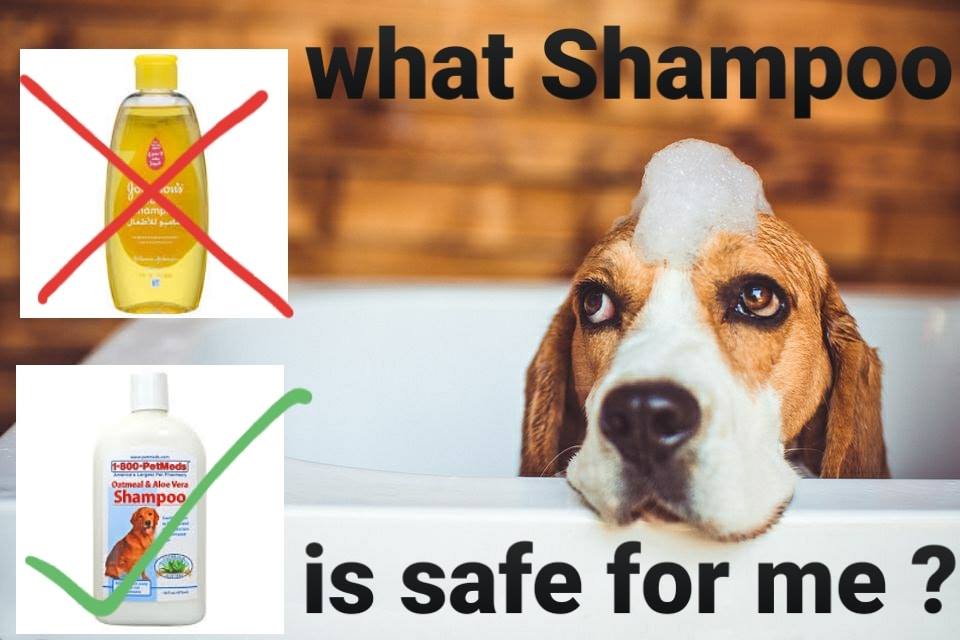
Why You Shouldn’t Use Dog Shampoo on Humans
pH Levels: A Critical Difference
What is pH?
pH measures how acidic or alkaline something is. The pH scale runs from 0 to 14. A pH of 7 is neutral. Numbers below 7 are acidic, and numbers above 7 are alkaline.
Dog vs. Human Skin
The skin’s pH balance is crucial for its health. Human skin is slightly acidic, with a pH of around 5.5. This acidity helps protect against bacteria and keeps the skin moisturized. Dog skin, on the other hand, is more alkaline, with a pH between 6.0 and 7.5.
The Impact of Dog Shampoo on Human Skin
Dog shampoo is formulated to match the higher pH of dog skin. When dog shampoo is used on humans, it can disrupt the skin’s natural pH balance. This disruption can lead to:
- Dryness: The skin may lose its natural oils, becoming dry and flaky.
- Irritation: The altered pH can irritate the skin, causing redness and itching.
- Increased Sensitivity: Skin becomes more vulnerable to external irritants and allergens.
Different Skin Structure
Dog and human skin also differ in structure. Human skin is much thicker, and it has more layers than dog skin.
Ingredients in Dog Shampoo vs Human Shampoo: What’s the Difference?
Dog Shampoo Ingredients
Dog shampoos often contain ingredients that are safe for dogs but potentially harmful to humans. Common ingredients may include:
- Insecticides: Some dog shampoos contain insecticides to kill fleas and ticks. These chemicals are not safe for human use and can cause serious health problems.
- Stronger Cleansers: To remove dirt and odors from dog fur, dog shampoos often use stronger detergents than human shampoos. These detergents can strip the natural oils from human skin and hair, causing excessive dryness and damage.
- Specific Medications: Some dog shampoos contain medications to treat specific skin conditions like mange or fungal infections. These medications should only be used under veterinary supervision and are not appropriate for human use.
Human Shampoo Ingredients
Human shampoos are formulated with gentler ingredients that are designed to cleanse without stripping the natural oils from the hair and scalp. They also often include:
- Moisturizers: Ingredients like glycerin and aloe vera help to keep the hair and scalp hydrated.
- Conditioners: Ingredients like silicones and proteins help to smooth the hair and reduce frizz.
- pH Balancers: Human shampoos are formulated to maintain the scalp’s natural pH balance.
The table below highlights the key differences between dog and human shampoo ingredients:
| Feature | Dog Shampoo | Human Shampoo |
|---|---|---|
| pH Level | Higher (6.0-7.5) | Lower (around 5.5) |
| Cleansing Agents | Stronger detergents | Milder detergents |
| Insecticides | May contain | Typically absent |
| Moisturizing Agents | Often less emphasis | Greater emphasis |
| Specific Medications | May contain (e.g., for mange) | Generally absent unless medicated |
| Fragrances | Stronger fragrances suitable for dogs | Milder, often designed for sensitive skin |
Potential Side Effects of Using Dog Shampoo on Humans
Using dog shampoo on humans can lead to a range of unpleasant and potentially harmful side effects. These can include:
- Skin Irritation: Redness, itching, and inflammation are common.
- Dry Skin: The strong detergents can strip the skin of its natural oils, leading to dryness and flaking.
- Scalp Problems: Dryness, itching, and dandruff can occur on the scalp.
- Hair Damage: The hair can become dry, brittle, and prone to breakage.
- Allergic Reactions: Some individuals may be allergic to ingredients in dog shampoo, leading to rashes, hives, or even difficulty breathing.
- Eye Irritation: If the shampoo gets into the eyes, it can cause stinging, redness, and irritation.
- Increased Risk of Infections: Disrupted skin barrier function increases vulnerability.
Dangers of Dog Shampoo for Humans
Using dog shampoo on humans is generally not advised because of the ingredients it may contain. Here are some potential dangers:
- Insecticides: Some dog shampoos contain pesticides like pyrethrins or permethrin to kill fleas and ticks. These chemicals can be harmful to humans, causing skin irritation, neurological symptoms, and even cancer in rare cases with prolonged exposure.
- Strong Chemicals: Dog shampoo may contain strong detergents and chemicals that can irritate human skin, leading to redness, itching, and dryness.
- Allergic Reactions: Humans can be allergic to ingredients in dog shampoo, leading to skin rashes, hives, or even difficulty breathing.
- pH Imbalance: Dog shampoo is formulated for the pH of dog skin, which is different from human skin. Using dog shampoo can disrupt the pH balance of human skin, leading to dryness and irritation.
- Eye Irritation: If dog shampoo gets into the eyes, it can cause stinging, redness, and irritation.
It is important to use shampoos that are specifically formulated for human use to avoid potential health risks.
Specific Risks: Dog Shampoo on Humans and Existing Skin Conditions
People with pre-existing skin conditions such as eczema, psoriasis, or rosacea are especially vulnerable to the negative effects of dog shampoo. The harsh ingredients can exacerbate these conditions, leading to:
- Increased Inflammation: Existing skin inflammation can worsen.
- Severe Dryness: Dry, flaky skin can become even more pronounced.
- Increased Itching: The urge to scratch can intensify, leading to further skin damage.
- Secondary Infections: Damaged skin is more susceptible to bacterial or fungal infections.
Dog Shampoo for Skin Conditions on Humans: Is It Ever Okay?
While generally not recommended, there might be rare and specific instances where a dermatologist could advise using a very mild, specific dog shampoo for a particular human skin condition. This should ONLY happen under strict medical supervision.
The reasoning could be due to:
- Specific Ingredients: In very rare cases, a specific ingredient in a dog shampoo (like a certain type of antifungal) might be deemed suitable for a specific skin issue, and the concentration is more appropriate in the dog shampoo. However, a human formulation of the same ingredient is almost always preferred.
- Under Extreme Circumstances: If a person has a severe allergy to all conventional human shampoos, and a very mild dog shampoo is the only option, it could be considered as a last resort.
It is crucial to remember that self-treating with dog shampoo is dangerous. Consult a dermatologist for appropriate treatment options for any skin condition.
Interpreting Dog Shampoo Labels: What to Look For (and Avoid)
Even if you’re not planning to use dog shampoo on yourself, it’s helpful to know what’s in it, especially if you have pets.
When checking a dog shampoo label, look for:
- Active Ingredients: Be aware of any medications, like antifungals (ketoconazole, miconazole) or insecticides (pyrethrins, permethrin). Avoid using these shampoos on children or pregnant women.
- Inactive Ingredients: These can include detergents, fragrances, preservatives, and thickeners. Be aware of potential allergens for both you and your pet.
- Warnings: Heed any warnings on the label, such as avoiding contact with eyes or keeping out of reach of children.
Ingredients to Avoid:
- Parabens: Preservatives that can disrupt hormone function.
- Sulfates: Harsh detergents that can irritate skin.
- Artificial Colors and Fragrances: Common allergens.
- Phthalates: Chemicals used to soften plastics that can be harmful to health.
Human Use of Dog Shampoo: Real-Life Scenarios
Let’s examine some scenarios where people might consider using dog shampoo on themselves and why it’s not a good idea:
- “I ran out of shampoo, and the dog shampoo is right there.” This is a common situation, but the potential risks outweigh the convenience. Better options include using soap or waiting until you can get human shampoo.
- “My dog’s shampoo smells really good, and I want my hair to smell like that.” The fragrances in dog shampoo are designed for dogs and can be irritating to human skin and airways.
- “My dog has a special medicated shampoo for his skin condition, and I think I have the same thing.” Self-diagnosing and self-treating with medicated shampoo is dangerous. A dermatologist can properly diagnose your condition and prescribe appropriate treatment.
- “I heard that dog shampoo is good for removing build-up from hair.” While some dog shampoos might have strong cleansing properties, they are too harsh for human hair and can cause damage.
Alternatives to Human Shampoo: What to Use in a Pinch
If you find yourself without shampoo, here are some safer alternatives:
- Baking Soda: Mix baking soda with water to create a paste and use it to cleanse your hair. Rinse thoroughly.
- Apple Cider Vinegar: Dilute apple cider vinegar with water and use it as a rinse after washing your hair with baking soda or on its own.
- Soap: Bar soap can be used as a temporary shampoo substitute, but it can be drying. Be sure to rinse thoroughly.
- Conditioner: Using conditioner to wash your hair (co-washing) can be a gentle alternative.
- Just Water: In some cases, simply rinsing your hair with water can be enough to remove dirt and oil.
The Importance of Reading Labels and Consulting Professionals
Always read the labels of any product you use on yourself or your pets. This will help you identify potential allergens and harmful ingredients.
If you have any concerns about your skin or hair, consult a dermatologist or other qualified healthcare professional. They can provide personalized advice and treatment options.
Risks of Using Pet Shampoo: More Than Just Dogs
The advice in this article applies to all pet shampoos, not just dog shampoo. Cat shampoo, horse shampoo, and other animal shampoos are also formulated for the specific pH and skin needs of those animals and should not be used on humans.
Final Verdict: Just Say No to Dog Shampoo on Humans
While it might be tempting to use dog shampoo on humans in a pinch, the potential risks outweigh any perceived benefits. The differences in pH, ingredients, and skin structure make dog shampoo unsuitable for human use. Stick to products designed for humans and consult a professional if you have any skin or hair concerns.
Frequently Asked Questions (FAQ)
Q: Is dog shampoo safe for humans in small quantities?
A: Even small quantities of dog shampoo can cause irritation and dryness due to the pH difference and strong detergents. It’s best to avoid it altogether.
Q: What happens if I accidentally used dog shampoo on myself?
A: Rinse thoroughly with water. If you experience any irritation, dryness, or other symptoms, consult a doctor or dermatologist.
Q: Can I use baby shampoo on my dog?
A: Baby shampoo is generally milder than adult shampoo and closer to the pH of dog skin. However, it’s still best to use a shampoo specifically formulated for dogs.
Q: What is the best alternative to human shampoo?
A: If you run out of shampoo, try using baking soda and water or apple cider vinegar as a rinse. Soap can also be used temporarily.
Q: Can dog shampoo cause hair loss in humans?
A: While unlikely to cause permanent hair loss, dog shampoo can damage the hair, making it brittle and prone to breakage, which can give the appearance of thinning hair.
Q: Is there any situation where a doctor would recommend dog shampoo?
In exceptionally rare instances, a dermatologist may prescribe a highly specialized dog shampoo tailored to a specific dermatological ailment, but this is an unusual recommendation and demands strict veterinary oversight.