
Why is my dog growling at nothing at night? There are many reasons why a dog might growl at night when it seems like nothing is there. These reasons range from medical issues, anxieties, and behavioral problems to simply reacting to sounds we can’t hear.
Nighttime growling can be unsettling, leaving owners puzzled and concerned. This article explores the possible causes behind your dog’s mysterious growling, offering insights and actionable solutions to help you and your furry friend get a peaceful night’s sleep.
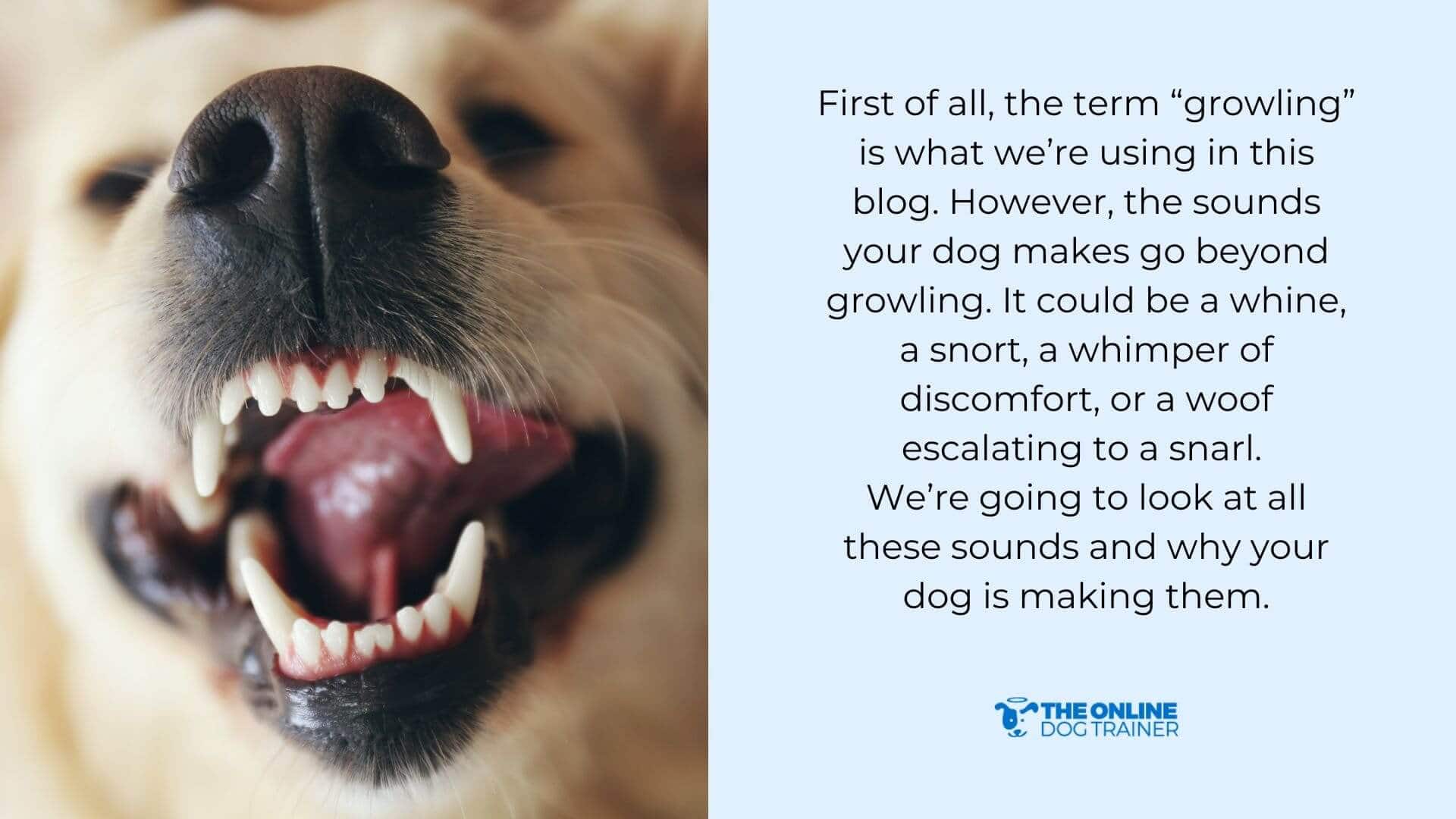
Image Source: theonlinedogtrainer.com
Possible Dog Growling At Night Causes
It’s crucial to remember that growling is a form of communication. Your dog is trying to tell you something, even if you can’t immediately figure out what it is. We will now delve into the various reasons.
Medical Explanations for Dog Growling
Sometimes, a dog’s growling is linked to underlying health issues. Pain or discomfort can make them more irritable, especially at night when they’re trying to rest.
- Pain: Arthritis, dental problems, or other sources of chronic pain can make a dog more sensitive and reactive.
- Cognitive Dysfunction Syndrome (CDS): Often called dog dementia, CDS can cause confusion, disorientation, and changes in behavior, including growling. Dog growling at night older dogs is often a sign of cognitive decline.
- Vision or Hearing Loss: Impaired senses can make a dog feel insecure and more likely to growl at perceived threats, especially in the dark.
Table: Potential Medical Causes of Night Growling
| Medical Condition | Symptoms | Possible Solutions |
|---|---|---|
| Arthritis | Stiffness, limping, reluctance to move, pain when touched | Veterinary diagnosis, pain management medication, joint supplements, comfortable bedding |
| Dental Problems | Bad breath, drooling, difficulty eating, pawing at the mouth | Veterinary dental cleaning, tooth extraction, soft food |
| Cognitive Dysfunction Syndrome (CDS) | Disorientation, changes in sleep patterns, decreased interaction, house soiling, dog growling at night | Veterinary diagnosis, medication, environmental enrichment, consistent routine |
| Vision/Hearing Loss | Bumping into things, startled easily, unresponsive to commands | Veterinary examination, adapting environment to dog’s needs, using hand signals, night lights |
Dog Growling At Night Anxiety and Fear
Just like humans, dogs can experience anxiety and fear that manifest in various ways, including growling.
- Separation Anxiety: Although usually seen during the day, separation anxiety can still affect a dog at night if they feel insecure or alone.
- Noise Anxiety: Sensitivity to sounds is very common. Dog growling at night sounds, even faint ones we can’t hear, like distant sirens, the hum of electrical appliances, or the rustling of leaves outside, can trigger anxiety.
- Generalized Anxiety: Some dogs are simply prone to anxiety, which can become more pronounced at night when environmental stimuli are reduced.
- Past Trauma: Previous negative experiences, especially those occurring at night, can leave a lasting impact.
Dog Growling At Night Behavioral Issues
Sometimes the growling might be due to established behavioral patterns.
- Territoriality: Even indoors, dogs can be territorial about their space, especially their sleeping area. Dog growling at night unseen might be due to the thought that someone is entering their personal space.
- Resource Guarding: If your dog has a prized possession (toy, bed, etc.) nearby, they may growl to protect it.
- Learned Behavior: If a dog has previously received attention or rewards after growling, they might repeat the behavior.
The Unseen and Unheard: Sensory Sensitivity
Dogs have senses far more acute than ours. Dog growling at night unseen could be due to:
- Hearing: They can hear higher frequencies and fainter sounds. What sounds like silence to us could be a symphony of noises to them.
- Smell: Their sense of smell is incredibly powerful. They might be detecting odors outside that we can’t even perceive.
- Changes in the Environment: A new smell, a subtle shift in temperature, or a change in the air pressure can all trigger a reaction.
Dog Growling At Night Puppies
Young puppies are still adjusting to the world. Dog growling at night puppies may be due to:
- Fear of the Dark: Darkness can be scary for puppies, making them more alert and reactive.
- Missing Their Littermates: Puppies taken away from their mothers and siblings might feel insecure and lonely at night.
- Adjusting to New Home: A new environment can be overwhelming for a puppy, leading to anxiety and growling.
Dog Growling At Night Ghost or Something Else?
While it’s tempting to attribute unexplained growling to paranormal activity (dog growling at night ghost), it’s always best to rule out the more likely explanations first. While we can’t definitively say ghosts don’t exist, attributing your dog’s behavior to the supernatural without exploring other possibilities isn’t responsible.
Dog Night Growling Solutions
Once you’ve considered the potential causes, you can begin to implement solutions. The best approach is to address the underlying issue, not just the growling itself.
Rule Out Medical Issues First
The first step should always be a visit to the veterinarian. A thorough physical examination and possibly some diagnostic tests can help identify or rule out any medical problems that might be causing the growling. Discuss dog growling at night medical reasons with your vet.
Modify the Environment
Creating a comfortable and secure environment can reduce anxiety and promote better sleep.
- Comfortable Bedding: Ensure your dog has a comfortable, supportive bed in a safe and quiet location.
- Night Lights: A dim night light can reduce fear of the dark, especially for puppies or dogs with vision problems.
- White Noise: A white noise machine or fan can help mask external sounds that might be triggering your dog.
- Safe Space: A crate or den can provide a sense of security, but only if your dog is already comfortable with it. Never force a dog into a crate as punishment.
Behavioral Modification Techniques
If the growling is related to behavioral issues, consider these strategies.
- Counter-Conditioning: Change your dog’s association with whatever they’re reacting to. For example, if they growl at sounds outside, play those sounds at a very low volume and reward them for remaining calm. Gradually increase the volume over time.
- Desensitization: Slowly expose your dog to the trigger at a distance or low intensity, gradually increasing exposure as they become more comfortable.
- Positive Reinforcement: Reward calm, quiet behavior with treats, praise, or petting. Avoid punishing the growling, as this can increase anxiety and make the problem worse.
- Professional Help: If you’re struggling to manage the growling on your own, consult a certified professional dog trainer or veterinary behaviorist. They can help identify the underlying cause of the behavior and develop a customized training plan.
Addressing Anxiety
If anxiety is the root cause, there are several things you can try.
- Calming Aids: Pheromone diffusers (like Adaptil) can have a calming effect on some dogs.
- Anxiety Wraps: These snug-fitting vests can provide a sense of security.
- Medication: In severe cases, your veterinarian may recommend anti-anxiety medication.
- Consistent Routine: A predictable daily routine can help reduce anxiety.
- Mental Stimulation: Provide plenty of mental stimulation through puzzle toys, training games, or interactive play. A tired dog is often a calmer dog.
For Older Dogs
- More Frequent Vet Checks: Senior dogs need more regular checkups to monitor for age-related health problems.
- Medication Adjustments: If your dog is already on medication, discuss with your vet whether the dosage needs to be adjusted.
- Ramps or Steps: If your dog has arthritis, provide ramps or steps to help them get on and off furniture.
- Extra Comfort: Provide extra soft bedding and gentle massage to ease discomfort.
What NOT to Do
- Punish the Growling: Punishing your dog for growling will only suppress the behavior, not address the underlying cause. It can also damage your relationship and make your dog more fearful or aggressive.
- Ignore It: Growling is communication. Ignoring it won’t make it go away and could allow the underlying problem to escalate.
- Self-Diagnose: Always consult a veterinarian to rule out medical issues before attempting to address the behavior yourself.
Fathoming Dog Growling At Night: Putting It All Together
Successfully addressing dog growling at night requires patience, observation, and a willingness to experiment with different solutions. It involves ruling out medical problems, modifying the environment, addressing anxiety, and, if necessary, seeking professional help.
Here’s a possible approach:
- Veterinary Examination: Schedule a visit to rule out medical causes.
- Environmental Assessment: Identify potential triggers in the environment (sounds, smells, etc.).
- Environmental Modifications: Implement changes to create a more comfortable and secure environment.
- Behavioral Observation: Carefully observe your dog’s behavior to identify patterns and triggers.
- Behavioral Modification Techniques: Implement counter-conditioning, desensitization, and positive reinforcement.
- Anxiety Management: Explore calming aids, anxiety wraps, or medication (under veterinary supervision).
- Professional Consultation: If the problem persists, consult a certified professional dog trainer or veterinary behaviorist.
FAQ About Dog Growling At Night
Q: What does it mean when my dog growls in his sleep?
A: Growling in sleep is often related to dreaming. Dogs can act out their dreams, which might include growling, twitching, or even barking. It’s usually not a cause for concern unless the behavior becomes frequent or intense.
Q: Can I stop my dog from growling completely?
A: Growling is a form of communication, so it’s not necessarily desirable to eliminate it entirely. The goal is to figure out why your dog is growling and address the underlying cause. Suppressing growling without addressing the cause can lead to more serious behavioral problems.
Q: What if my dog only growls at night and not during the day?
A: This suggests that the trigger is specific to nighttime. It could be related to sounds, smells, or visual stimuli that are more prominent at night, or to increased anxiety due to darkness and inactivity.
Q: Is it possible my dog is sensing something supernatural?
A: While it’s impossible to rule out the paranormal entirely, it’s far more likely that your dog is reacting to something within the realm of normal sensory experience. It’s best to focus on ruling out medical, behavioral, and environmental causes first.
Q: How long will it take to stop my dog from growling at night?
A: The timeline varies depending on the underlying cause of the growling and the effectiveness of the solutions you implement. Some problems can be resolved quickly, while others may take weeks or months of consistent effort. Patience and persistence are key.
Q: What if my dog’s growling suddenly started?
A: A sudden change in behavior often indicates a medical issue. You should schedule a veterinary appointment immediately to rule out any underlying health problems.
Q: Are certain breeds more prone to nighttime growling?
A: Breed can play a role in temperament and sensitivity. Some breeds are naturally more alert and prone to guarding behavior, but individual differences are significant. Any dog, regardless of breed, can develop nighttime growling due to various factors.
Unraveling the mystery behind your dog’s midnight grumbles and strategically addressing the root issues will usher in a new era of tranquility for your household. Approach this journey with unwavering patience, steadfast routines, and don’t hesitate to enlist expert advice – these are your most potent tools for success.