
Why do dogs attack children? Dogs attack children due to a complex mix of factors, including fear, pain, possessiveness, predatory instincts, and poorly managed interactions. Many incidents could be prevented through better education and responsible pet ownership. This article explores the reasons behind these tragic events, provides valuable insights into canine aggression towards kids, and offers crucial child safety around dogs tips to safeguard our young ones.
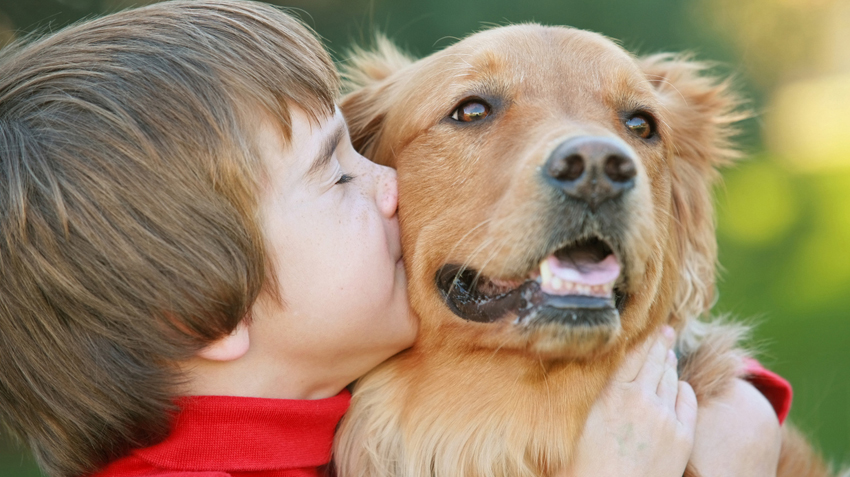
Image Source: images.ctfassets.net
Fathoming Canine Aggression Towards Kids
Dog bite causes child injuries are a serious concern. The statistics are alarming, and understanding the underlying reasons dogs bite children is the first step towards prevention. It’s not always about a “bad” dog; often, it’s about miscommunication or a situation escalating beyond the dog’s tolerance.
Common Triggers for Aggression in Dogs
Dogs don’t typically attack without a reason. What seems like a sudden outburst to us is often the culmination of stress and discomfort for the dog. Here are some common triggers:
- Fear: A child’s sudden movements, loud noises, or approaching a dog that is already scared can provoke a defensive response.
- Pain: If a dog is injured or in pain, even a gentle touch can cause it to lash out in self-defense.
- Resource Guarding: Dogs may protect their food, toys, or even their resting space. Children approaching these resources can be seen as a threat.
- Predatory Drive: Some breeds have a stronger predatory drive than others. While not always the primary cause, it can be a contributing factor, especially with small children who move quickly.
- Territoriality: Dogs may feel the need to protect their home or family from perceived threats.
- Lack of Socialization: Dogs not properly socialized as puppies may fear or distrust strangers, including children.
The Role of Dog Behavior Around Kids
A dog’s past experiences profoundly affect its behavior. Dogs that have been abused, neglected, or not properly trained are more likely to exhibit aggression.
Early Socialization: A Crucial Factor
- What is early socialization? Exposing puppies to a variety of people, places, and sounds from a young age is essential. This helps them develop into well-adjusted adults less likely to react fearfully to novel situations.
Training and Temperament Testing
- Basic obedience training is essential for all dogs. A well-trained dog is more likely to obey commands and less likely to resort to aggression.
- Temperament testing can help identify dogs with a predisposition to aggression. This is especially important for dogs adopted from shelters or with unknown histories.
Dog Attack Risk Factors for Kids
Certain situations increase the risk of preventing dog attacks on children. It’s vital to be aware of these factors and take precautions.
Child’s Age and Behavior
Young children are at a higher risk of dog bites because they:
- Are less able to read dog body language.
- May approach dogs without caution.
- May engage in behaviors that dogs find threatening (e.g., pulling ears, hugging tightly).
- Are closer to the ground, making them more vulnerable.
Breed-Specific Considerations
While any dog can bite, some breeds are statistically more likely to be involved in serious bite incidents. This is due to a combination of factors, including genetics, size, and strength. However, it’s crucial to remember that breed is not the only determinant of aggression. Individual temperament, training, and socialization play a significant role.
| Breed Group | Considerations |
|---|---|
| Herding Breeds | May nip at heels, especially if children run or play actively. |
| Terrier Breeds | Can be possessive of toys and food, leading to resource guarding issues. |
| Guarding Breeds | Naturally protective and may react defensively to perceived threats to their family or territory. |
| Hound Breeds | Primarily tracking animals using sight and smell. |
Environmental Factors
The environment in which a dog lives can also influence its behavior. Dogs kept chained or isolated are more likely to develop aggression. Stressful home environments with loud noises or frequent arguments can also contribute to anxiety and aggression.
Child-Dog Interaction Safety: Practical Tips
Creating a safe environment for children and dogs requires proactive measures. Here’s a comprehensive guide:
Teaching Children About Dog Body Language
- Why is this important? Children need to learn how to interpret dog signals to avoid provoking a bite.
| Signal | Meaning | Action to Take |
|---|---|---|
| Yawning | Can indicate stress or discomfort. | Avoid approaching the dog; give it space. |
| Lip Licking | Can indicate stress or discomfort. | Avoid approaching the dog; give it space. |
| Whale Eye | Showing the whites of the eyes, indicates stress. | Avoid approaching the dog; give it space. |
| Tail Tucked | Indicates fear or anxiety. | Avoid approaching the dog; give it space. |
| Stiff Body | Dog is tense and potentially about to react. | Avoid approaching the dog; give it space. |
| Growling | A warning sign. | Immediately stop what you are doing and back away slowly. Do not punish the dog for growling. |
| Snapping | A warning sign that the dog is feeling threatened. | Immediately stop what you are doing and back away slowly. Do not punish the dog for snapping. |
Rules for Safe Interactions
Establish clear rules for how children should interact with dogs:
- Always ask the owner for permission before approaching a dog.
- Approach dogs calmly and slowly.
- Avoid direct eye contact with unfamiliar dogs.
- Never disturb a dog that is eating, sleeping, or caring for puppies.
- Do not hug or kiss a dog on the face.
- Never pull a dog’s ears, tail, or fur.
- Report any bites or scratches to an adult immediately.
Supervising Interactions
- When should I supervise? Always supervise interactions between young children and dogs, regardless of how well you trust the dog.
- Even well-behaved dogs can react unpredictably, especially when tired, stressed, or in pain.
- Supervision allows you to intervene if the dog shows signs of discomfort or stress.
Creating Safe Spaces
- Provide dogs with a safe space where they can retreat when feeling overwhelmed.
- This could be a crate, a bed in a quiet room, or a designated area where children are not allowed to bother them.
- Teach children to respect the dog’s safe space and to never enter it without permission.
Choosing the Right Dog for Your Family
Careful consideration is needed before bringing a dog into a home with children.
Breed Research
- Research different breeds to find one that is known for being good with children.
- Consider the dog’s energy level and exercise requirements.
- Match the dog’s temperament to your family’s lifestyle.
Adoption vs. Breeder
- Adopting a dog from a shelter or rescue organization can be a rewarding experience.
- However, it’s important to choose a dog with a known history and temperament that is suitable for children.
- If purchasing a dog from a breeder, choose a reputable breeder who prioritizes temperament and health.
Pre-Adoption Assessment
- Before bringing a dog home, arrange a meeting between the dog and your children.
- Observe how the dog interacts with the children.
- Look for signs of aggression, fear, or discomfort.
- Consider a professional assessment by a certified dog trainer or behaviorist.
Dog Bite Prevention for Families: Ongoing Education
Dog bite prevention for families is an ongoing process, not a one-time event. Stay informed, and continue to educate your children about responsible dog ownership and safe interactions.
Refresher Courses
- Attend refresher courses on dog body language and safety.
- Stay up-to-date on the latest research on dog behavior and aggression.
Role Modeling
- Model safe interactions with dogs for your children.
- Show them how to approach dogs calmly and respectfully.
- Teach them to be gentle and kind to animals.
Seeking Professional Help
- If you are concerned about your dog’s behavior, seek professional help from a certified dog trainer or behaviorist.
- Early intervention can prevent problems from escalating.
- A professional can help you identify the underlying causes of your dog’s aggression and develop a treatment plan.
Legal and Ethical Considerations
Dog owners have a legal and ethical responsibility to prevent their dogs from biting others. This includes:
- Properly training and socializing their dogs.
- Providing adequate supervision.
- Taking precautions to prevent bites.
- Being aware of local leash laws and regulations.
- In many jurisdictions, owners are held liable for injuries caused by their dogs, even if the dog has never bitten anyone before.
Reporting Dog Bites
It is important to report all dog bites to the local animal control agency. This helps track bite incidents and identify potentially dangerous dogs. Reporting a dog bite does not necessarily mean that the dog will be euthanized. However, it may trigger an investigation and require the owner to take steps to prevent future bites.
Conclusion
Preventing dog attacks on children is a shared responsibility. By fathoming the dog bite causes child injuries, understanding canine aggression towards kids, and implementing effective child safety around dogs strategies, we can create a safer environment for both children and dogs. Education, supervision, and responsible pet ownership are the keys to preventing these tragic events. By working together, we can ensure that children and dogs can coexist peacefully and safely.
Frequently Asked Questions (FAQ)
-
What is the most common reason for dog bites in children?
Fear is one of the most common reasons. Children may unintentionally scare a dog by approaching too quickly, making sudden movements, or invading its personal space.
* Can I trust my dog completely around my children?Even with a well-behaved dog, constant supervision is essential. Never leave young children unsupervised with any dog, regardless of breed or temperament.
* Who is responsible if a dog bites a child?The dog’s owner is generally held responsible. They are legally liable for any injuries or damages caused by their dog.
* What should I do if my child is bitten by a dog?Wash the wound immediately with soap and water. Seek medical attention, especially if the bite is deep or if the dog’s vaccination history is unknown. Report the bite to your local animal control agency.
* What can I do if I’m scared of dogs?Unlock the secrets of canine communication to conquer your fears. When you grasp the “why” behind a dog’s actions, apprehension begins to fade. Cultivate a serene presence around them, and for deeper anxieties, professional guidance from a therapist or dog behavior expert is a powerful ally.