
Is your dog limping after laying down? Yes, limping after rest can be a sign of several underlying issues, most commonly related to joint problems. This article will explore the potential causes of this issue, as well as ways to help your furry friend find relief.
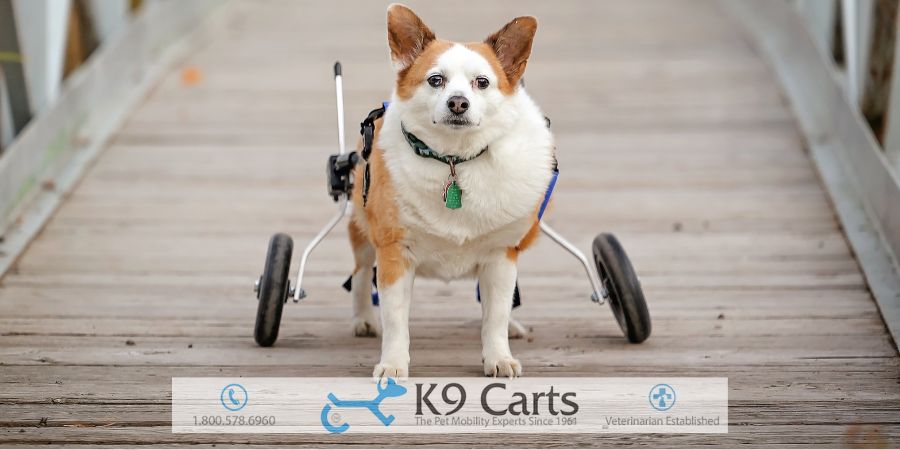
Image Source: k9carts.com
Decoding “Dog Limping After Rest”: What Does It Mean?
“Dog limping after rest” or “dog stiff after lying down” is a common complaint among dog owners. It describes a situation where a dog appears to move normally after exercise, but shows signs of lameness, stiffness, or difficulty walking immediately after waking up from a nap, or getting up after sleeping at night. This “dog limping after nap” or extended rest is often temporary, improving as the dog moves around and “warms up”. However, it indicates an underlying problem causing discomfort in the joints or muscles. Understanding the “dog limeness causes” is key to providing your dog with the right care.
Common Culprits Behind Dog Leg Pain After Sleeping
Several factors can contribute to “dog leg pain after sleeping” or, generally, “dog limping after morning”. Here’s a detailed look at some of the most common ones:
1. Arthritis in Dogs (Osteoarthritis)
- What is it? Arthritis is a degenerative joint disease where the cartilage that cushions the bones gradually breaks down. This causes pain, stiffness, and reduced range of motion.
- Why does it cause limping after rest? During rest, the joint fluid becomes less viscous, and inflammation may worsen. This leads to increased stiffness and pain when the dog first gets up. The “dog joint pain after rest” subsides as the dog moves around, stimulating circulation and lubricating the joint.
- Symptoms:
- “Dog stiff after lying down”.
- Difficulty getting up or lying down.
- Reluctance to jump or climb stairs.
- Licking or chewing at the affected joint.
- Changes in behavior, such as increased irritability.
- Diagnosis: Veterinarians diagnose arthritis through physical exams, observing the dog’s gait, and using X-rays to assess joint damage.
- Management:
- Medications: Non-steroidal anti-inflammatory drugs (NSAIDs) can help manage pain and inflammation. Always use medications prescribed by your veterinarian.
- Joint Supplements: Glucosamine, chondroitin, and omega-3 fatty acids can support cartilage health.
- Weight Management: Maintaining a healthy weight reduces stress on the joints.
- Physical Therapy: Controlled exercise, massage, and hydrotherapy can improve mobility and reduce pain.
- Acupuncture: Acupuncture may help manage pain and improve mobility in some dogs.
2. Hip Dysplasia in Dogs
- What is it? Hip dysplasia is a genetic condition where the hip joint doesn’t develop properly. The ball and socket don’t fit together snugly, leading to instability and eventual arthritis.
- Why does it cause limping after rest? Similar to arthritis, the inflammation and instability in the hip joint cause pain and stiffness, especially after periods of inactivity.
- Symptoms:
- “Dog limping after rest”, particularly in the hind legs.
- Bunny-hopping gait (using both hind legs together).
- Difficulty rising.
- Decreased activity level.
- Muscle loss in the hindquarters.
- Diagnosis: Hip dysplasia is diagnosed through physical exams and X-rays.
- Management:
- Weight Management: Crucial to reducing stress on the hip joints.
- Exercise Modification: Avoid high-impact activities like jumping.
- Medications: Pain relievers and anti-inflammatory drugs can help manage pain.
- Joint Supplements: Glucosamine and chondroitin may provide support.
- Surgery: In severe cases, surgical options like total hip replacement or femoral head ostectomy (FHO) may be recommended.
3. Elbow Dysplasia
- What is it? Elbow dysplasia encompasses a group of developmental abnormalities in the elbow joint. Like hip dysplasia, it leads to instability and arthritis.
- Why does it cause limping after rest? The abnormal joint structure and subsequent arthritis cause pain and stiffness, most noticeable after periods of rest.
- Symptoms:
- Foreleg lameness, often worse after rest.
- Stiffness in the elbow joint.
- Reluctance to extend the elbow fully.
- Pain upon manipulation of the elbow.
- Diagnosis: Physical examination, X-rays, and potentially CT scans or arthroscopy are used to diagnose elbow dysplasia.
- Management:
- Surgery: Arthroscopic surgery can remove bone fragments and correct joint abnormalities.
- Medical Management: Pain relievers, anti-inflammatory drugs, and joint supplements can manage pain and inflammation.
- Weight Management: Reducing weight minimizes stress on the elbow.
- Physical Therapy: Exercises to improve range of motion and strengthen muscles.
4. Soft Tissue Injuries
- What are they? Sprains, strains, and other soft tissue injuries can affect muscles, ligaments, and tendons around the joints.
- Why does it cause limping after rest? Inflammation and scar tissue formation following an injury can cause stiffness and pain, particularly after periods of inactivity.
- Symptoms:
- Sudden onset of lameness.
- Swelling or heat around the affected joint.
- Pain upon palpation.
- Reluctance to use the limb.
- Diagnosis: Veterinarians diagnose soft tissue injuries through physical exams and, in some cases, imaging like X-rays or ultrasound to rule out other causes.
- Management:
- Rest: Limiting activity is crucial for healing.
- Ice/Heat: Applying ice packs in the initial days can reduce inflammation, followed by heat to improve circulation.
- Pain Medication: Pain relievers and anti-inflammatory drugs can help manage pain.
- Physical Therapy: Controlled exercises can help restore strength and range of motion.
5. Panosteitis
- What is it? Panosteitis is a painful bone inflammation that primarily affects young, rapidly growing dogs, especially large breeds.
- Why does it cause limping after rest? The inflammation within the bone marrow causes pain, which can be exacerbated after rest. This may lead to “canine intermittent lameness”.
- Symptoms:
- Sudden onset of lameness that may shift from one leg to another (“shifting leg lameness”).
- Pain upon palpation of the long bones (e.g., femur, tibia).
- Lethargy.
- Decreased appetite.
- Diagnosis: X-rays of the affected bones show characteristic changes associated with panosteitis.
- Management:
- Pain Medication: Pain relievers and anti-inflammatory drugs are used to manage pain.
- Rest: Limiting activity is essential.
- Dietary Management: Ensuring a balanced diet and avoiding excessive protein intake can help. Panosteitis is self-limiting, typically resolving as the dog matures.
6. Other Possible Causes
- Infections: Joint infections (septic arthritis) can cause severe pain and lameness.
- Cancer: Bone tumors can cause pain and limping.
- Nerve Problems: Nerve damage or compression can lead to weakness and lameness.
- Foreign Body: A thorn or other foreign object lodged in the paw can cause limping.
What To Do When You Notice Your Dog Limping After Rest
If you observe your dog limping after rest, it’s important to take these steps:
- Observe: Pay close attention to when the limping occurs, which leg is affected, and any other symptoms your dog is exhibiting.
- Rest: Limit your dog’s activity to prevent further injury. Avoid strenuous exercise, jumping, and running.
- Gentle Examination: Gently palpate the affected leg, checking for swelling, heat, or pain. Be cautious, as your dog may be sensitive and could bite.
- Veterinary Consultation: Schedule an appointment with your veterinarian. They can perform a thorough examination, diagnose the underlying cause, and recommend appropriate treatment.
- Follow Veterinary Advice: Adhere to the treatment plan recommended by your veterinarian, which may include medications, physical therapy, or surgery.
Helpful Tips For Managing Dog Limping After Rest
While your veterinarian addresses the root cause, here are some things you can do to provide comfort and support for your dog at home:
Creating a Comfortable Environment
- Comfortable Bedding: Provide a soft, supportive bed to cushion your dog’s joints. Orthopedic beds are a great option.
- Warmth: Keep your dog warm, especially during cold weather. Use blankets or sweaters if needed.
- Easy Access: Make sure food and water bowls are easily accessible to prevent your dog from having to stretch or strain.
- Ramps and Steps: Use ramps or steps to help your dog get onto furniture or into the car, reducing stress on their joints.
- Non-Slip Surfaces: Use rugs or mats on slippery floors to prevent slips and falls.
Exercise and Weight Management
- Controlled Exercise: Continue with controlled, low-impact exercise, such as short walks. Avoid high-impact activities like running and jumping.
- Weight Management: Maintaining a healthy weight is crucial for reducing stress on the joints. Work with your veterinarian to determine the ideal weight for your dog and create a weight management plan.
Alternative Therapies
- Physical Therapy: A certified canine physical therapist can develop a customized exercise program to improve your dog’s strength, flexibility, and range of motion.
- Massage: Gentle massage can help relieve muscle tension and improve circulation.
- Hydrotherapy: Swimming or underwater treadmill exercise can provide a low-impact workout.
- Acupuncture: Some studies suggest that acupuncture can help manage pain and improve mobility in dogs with arthritis.
Preventative Measures
While some conditions are genetic or unavoidable, there are steps you can take to reduce the risk of your dog developing joint problems:
- Responsible Breeding: Choose breeders who screen their dogs for hip and elbow dysplasia.
- Proper Nutrition: Feed your dog a high-quality diet appropriate for their age, breed, and activity level. Avoid overfeeding, especially during puppyhood.
- Appropriate Exercise: Provide regular exercise, but avoid excessive or high-impact activities, especially in young dogs.
- Joint Supplements: Consider giving your dog joint supplements as a preventative measure, particularly if they are a large breed or prone to joint problems. Consult your veterinarian before starting any supplements.
When is Dog Limping After Rest an Emergency?
While most cases of “dog limping after rest” warrant a vet visit, certain situations require immediate veterinary attention:
- Sudden, severe lameness: If your dog suddenly becomes unable to bear weight on a leg.
- Visible Trauma: Any visible signs of injury, such as a broken bone or open wound.
- Extreme Pain: If your dog is showing signs of extreme pain, such as crying, panting excessively, or acting aggressively when you touch the affected area.
- Swelling or Deformity: Significant swelling or deformity of the joint.
- Fever or Lethargy: If your dog is also experiencing fever, lethargy, or loss of appetite.
Interpreting Canine Intermittent Lameness
“Canine intermittent lameness,” where the limping comes and goes, can be particularly puzzling. It often indicates a chronic underlying issue like arthritis or hip dysplasia. The limping might be more pronounced after activity or rest and could improve with movement. Accurate diagnosis through veterinary examination is essential to manage the underlying cause and provide appropriate pain relief.
FAQ: Dog Limping After Laying Down
Q: What is the main reason my dog is limping after lying down?
A: The most common reason is joint inflammation caused by conditions like arthritis or hip dysplasia. During rest, the joints can stiffen, leading to temporary limping until the dog “warms up”.
Q: Can I give my dog human pain medication for limping?
A: No. Human pain medications like ibuprofen or acetaminophen are toxic to dogs and can cause serious side effects. Always consult with your veterinarian for appropriate pain relief options.
Q: What can I give my dog for joint pain?
A: Your veterinarian may prescribe NSAIDs (non-steroidal anti-inflammatory drugs) specifically formulated for dogs. Joint supplements containing glucosamine, chondroitin, and omega-3 fatty acids can also be beneficial.
Q: Who is most at risk for developing joint problems?
A: Large breed dogs, senior dogs, and dogs with a genetic predisposition to hip or elbow dysplasia are at higher risk. Overweight dogs are also more prone to joint problems.
Q: What is the best bed for a dog with arthritis?
A: Orthopedic beds made with memory foam are excellent choices for dogs with arthritis. They provide cushioning and support to relieve pressure on the joints.
Q: How can I prevent my dog from limping after rest?
A: While you can’t always prevent joint problems, maintaining a healthy weight, providing regular low-impact exercise, feeding a balanced diet, and considering joint supplements can help reduce the risk.
Q: What is “dog limping in morning” indicative of?
A: “Dog limping in morning” is usually a sign that the joint stiffness and pain have accumulated overnight, during a prolonged period of rest. This pattern commonly suggests arthritis or a similar chronic joint condition.
Q: Can I prevent “arthritis in dogs”?
Shielding your canine companion from arthritis’s full grip isn’t entirely possible, but you can significantly tip the odds in their favor by keeping them at a healthy weight, ensuring they get the right kind of activity, and exploring the benefits of joint support. Spotting the signs early and acting fast makes a world of difference.