
How do you know if your dog is cold? You can tell if your dog is cold by observing signs like shivering, whining, slowed movements, hunching, seeking warm places, and having cold paws or ears. This article will cover these signs in detail and explain how to keep your dog warm and comfortable during cold weather.
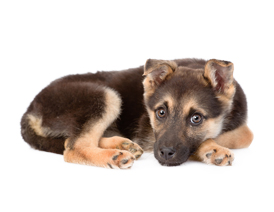
Image Source: www.greencrossvets.com.au
Recognizing Dog Cold Symptoms
Just like people, dogs can get cold. It’s important to know the dog cold symptoms so you can help your furry friend stay comfortable. Dogs, especially those with short hair, small breeds, puppies, and senior dogs, are more vulnerable to the cold. Recognizing the signs early can prevent dog cold exposure and related health problems.
Shivering Dog
Shivering is one of the most obvious signs dog is freezing. It’s an involuntary muscle contraction that helps generate heat.
- Mild Shivering: Slight trembling, may be intermittent.
- Moderate Shivering: More intense and consistent trembling.
- Severe Shivering: Violent shaking, often accompanied by other symptoms like lethargy.
If your shivering dog doesn’t stop shivering after moving to a warmer place, you should contact your vet.
Changes in Behavior
A cold dog may exhibit behavioral changes to conserve heat or seek warmth.
- Lethargy: Reduced energy and reluctance to move.
- Whining or Barking: Vocalizing discomfort due to the cold.
- Restlessness: Inability to settle down and constant shifting.
- Hiding: Seeking shelter under blankets, furniture, or in small spaces.
Posture and Movement
How a dog stands or moves can also indicate if they are cold.
- Hunching: Arched back, tucked tail, and lowered head to conserve heat.
- Slowed Movement: Walking more slowly or stiffly than usual.
- Lifting Paws: Alternately lifting paws off the ground to avoid cold surfaces.
Cold Body Parts
Feeling your dog’s ears, paws, and nose can provide clues.
- Dog Cold Paws: Cold paws, especially if they are also pale, can indicate poor circulation.
- Cold Ears: Cold to the touch, may also be pale or bluish.
- Cold Nose: While a dog’s nose can naturally fluctuate in temperature, a consistently cold nose accompanied by other symptoms may indicate coldness.
Deciphering Dog Cold Temperature
The dog cold temperature threshold varies depending on breed, size, coat type, and overall health.
| Factor | Description |
|---|---|
| Size/Breed | Small breeds and those with thin coats are more susceptible to cold. |
| Age | Puppies and senior dogs have difficulty regulating body temperature. |
| Health | Dogs with underlying health conditions may be more sensitive to cold. |
| Coat Type | Dogs with thick, double coats are more cold-resistant. |
Generally:
- Above 45°F (7°C): Most dogs are safe, but small breeds and those with thin coats may still feel cold.
- Between 32°F (0°C) and 45°F (7°C): Exercise caution, especially with vulnerable dogs.
- Below 32°F (0°C): Potentially dangerous for all dogs. Limit outdoor exposure.
- Below 20°F (-7°C): High risk of hypothermia and frostbite. Avoid prolonged outdoor exposure.
Cold Weather Dog Care: Keeping Your Pup Warm
There are many ways to keep your dog warm and comfortable during cold weather. Cold weather dog care is essential for their health and well-being.
Provide a Warm Shelter
- Indoor Bedding: Ensure your dog has a warm, comfortable bed away from drafts. Consider using a heated bed or adding extra blankets.
- Outdoor Shelter: If your dog spends time outdoors, provide a well-insulated dog house or shelter that is protected from wind and moisture.
Dog Wearing Sweater or Coat
A dog wearing sweater or coat can provide an extra layer of insulation.
- Choosing the Right Gear: Select a sweater or coat that fits well and covers the dog’s chest and belly.
- When to Use: Use sweaters and coats for walks or when your dog is spending time outdoors in cold weather.
- Waterproof Options: Opt for waterproof or water-resistant options in wet conditions.
Limit Outdoor Exposure
Reduce the amount of time your dog spends outside when it’s cold.
- Shorter Walks: Take shorter, more frequent walks to minimize exposure to cold temperatures.
- Avoid Prolonged Sitting: Prevent your dog from sitting or lying down on cold surfaces.
- Supervise Outdoor Play: Monitor your dog closely during outdoor play and bring them inside if they show signs of being cold.
Paw Protection
Protecting your dog’s paws is crucial in cold weather.
- Dog Cold Paws Prevention: Use dog boots or paw wax to protect against ice, snow, and salt.
- Cleaning Paws: After walks, clean your dog’s paws to remove salt and ice buildup.
- Moisturizing: Apply paw balm to prevent dryness and cracking.
Adjust Diet and Hydration
- Increase Food: Your dog may need more calories during cold weather to maintain body temperature. Consult with your veterinarian about adjusting their diet.
- Fresh Water: Ensure your dog has access to fresh, unfrozen water at all times.
Monitor Vulnerable Dogs
Certain dogs require extra care in cold weather.
- Puppies: Puppies have difficulty regulating their body temperature and are more susceptible to the cold.
- Senior Dogs: Senior dogs may have reduced mobility and health issues that make them more sensitive to cold.
- Small Breeds: Small breeds have a higher surface area to volume ratio, making them lose heat more quickly.
- Dogs with Short Hair: Dogs with thin coats lack the natural insulation to stay warm in cold weather.
Dog Winter Safety Tips
Beyond keeping your dog warm, dog winter safety involves protecting them from other seasonal hazards.
- Antifreeze: Antifreeze is highly toxic. Clean up spills immediately and store it out of reach.
- Ice Melt: Some ice melt products can irritate paws. Use pet-friendly options or clean your dog’s paws after walks.
- Frozen Bodies of Water: Keep dogs away from frozen lakes, ponds, and rivers. The ice may be thin and unsafe.
- Carbon Monoxide: Ensure your home has working carbon monoxide detectors, especially if using space heaters.
Addressing Dog Cold Exposure
If your dog has been exposed to the cold, take immediate action.
Recognizing Hypothermia
Hypothermia is a dangerous condition that occurs when a dog’s body temperature drops too low.
- Mild Hypothermia: Shivering, lethargy, and weakness.
- Moderate Hypothermia: Stiff muscles, shallow breathing, and decreased heart rate.
- Severe Hypothermia: Unconsciousness, dilated pupils, and very slow heart rate.
First Aid for Hypothermia
If you suspect your dog has hypothermia:
- Move to a Warm Place: Bring your dog indoors to a warm, dry area.
- Warmth: Wrap your dog in warm blankets or towels.
- Warm Water Bottles: Place warm (not hot) water bottles or heating pads wrapped in towels near your dog.
- Monitor Temperature: Check your dog’s temperature rectally if possible.
- Veterinary Care: Seek immediate veterinary attention.
Frostbite
Frostbite occurs when body tissue freezes.
- Common Areas: Ears, paws, tail.
- Symptoms: Pale or bluish skin, cold to the touch, swelling, and pain.
First Aid for Frostbite
- Warm Water: Soak the affected area in warm (not hot) water for 20-30 minutes.
- Gentle Drying: Gently dry the area and wrap it in a clean bandage.
- Veterinary Care: Seek immediate veterinary attention.
Dog Cold Remedies: What Can You Do?
While prevention is key, there are some dog cold remedies you can use to help your dog recover from mild cold exposure. Note: These are for minor cases and should not replace veterinary care.
- Warm Environment: Keep your dog in a warm, draft-free area.
- Rest: Provide plenty of rest.
- Hydration: Ensure your dog has access to fresh water.
- Warm Food: Offer warm, easily digestible food.
- Steam Therapy: A steamy bathroom can help relieve congestion.
Warning: Do not give human cold medications to dogs. They can be toxic.
When to See a Veterinarian
If your dog is showing severe symptoms of being cold, such as severe shivering, lethargy, difficulty breathing, or signs of hypothermia or frostbite, seek immediate veterinary attention. It’s also important to consult a vet if your dog’s symptoms don’t improve with home care or if they have underlying health conditions.
FAQ: Keeping Your Dog Safe in Cold Weather
- What is the lowest temperature a dog can tolerate? The lowest temperature a dog can tolerate varies, but temperatures below 32°F (0°C) are potentially dangerous.
- Can I walk my dog in freezing temperatures? Yes, but limit the duration of the walk and protect your dog with appropriate gear like a sweater and boots.
- Who is more at risk in cold weather, puppies or adult dogs? Puppies are more at risk because they have difficulty regulating their body temperature.
- Can a dog sleep outside in the winter? It’s not recommended. Dogs need a warm, sheltered environment, especially in cold weather.
- What are the early warning signs of hypothermia in dogs? Early signs include shivering, lethargy, and weakness.
- Is wearing a sweater enough to protect my dog in the cold? It depends on the dog. A sweater can help, but some dogs may need additional protection like a coat or boots.
- Can dogs get colds like humans? Yes, dogs can get upper respiratory infections that are similar to human colds, but they are caused by different viruses.
- What human foods are dangerous for dogs in cold weather? Chocolate, onions, garlic, grapes, and alcohol are dangerous for dogs and should be avoided.
Don’t let winter chills catch your canine companion off guard; a watchful eye for signs of cold and a few smart preventative measures will keep them snug and secure all season long. Prioritizing your dog’s winter well-being is an essential part of your pet ownership, and staying a step ahead with attentive care is the ultimate shield against the cold.