
Do you notice your dog constantly chewing on their nails? The answer is: several factors can cause this behavior, ranging from simple grooming to underlying health issues. This article dives into the reasons behind dog nail chewing causes, exploring medical, behavioral, and environmental factors. We’ll also discuss practical tips for treating dog nail chewing and preventing dog nail chewing in the first place. If you’re concerned about excessive nail biting in dogs, this guide will help you understand the potential reasons and how to address them effectively.
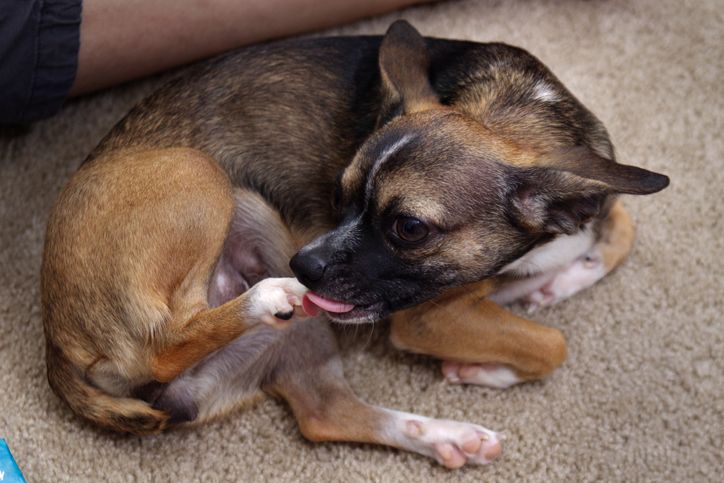
Image Source: www.whole-dog-journal.com
Fathoming the Reasons for Dog Nail Chewing
Canine onychophagia reasons are diverse. It’s crucial to look at the behavior in context to pinpoint the cause. A dog might chew their nails occasionally as part of self-grooming, but constant chewing can indicate a problem. Let’s explore some of the most common factors.
Medical Issues as Dog Nail Chewing Causes
Sometimes, dog nail chewing health problems are the root of the behavior. The following conditions can cause discomfort or irritation, leading a dog to chew at their nails:
- Nail Infections: Fungal or bacterial infections can make nails itchy and painful. This prompts the dog to chew in an attempt to relieve the discomfort.
- Parasites: Mites or other parasites burrowing around the nail bed can cause intense itching.
- Allergies: Environmental or food allergies can cause the paws and nails to become itchy, leading to dog paw licking and chewing nails.
- Injuries: A broken nail, splinter, or other injury to the paw can cause pain, prompting the dog to chew at the affected area.
- Tumors or Growths: In rare cases, a growth near the nail bed can cause discomfort and lead to chewing.
- Nutritional Deficiencies: Lack of certain vitamins and minerals may affect nail health, causing them to become brittle and prone to breaking, which then leads to chewing.
Behavioral Factors
Beyond medical concerns, dog nail biting behavioral issues play a significant role. Here are some common behavioral causes:
- Boredom: A bored dog might chew their nails out of sheer lack of stimulation.
- Anxiety: Stress-related nail chewing dogs often use this behavior as a coping mechanism. Changes in the environment, loud noises, or separation anxiety can all trigger nail-biting.
- Compulsive Behavior: In some cases, compulsive dog nail biting develops into an obsessive habit that is difficult to break.
- Attention-Seeking: The dog may have learned that chewing their nails gets them attention from their owner, even if it’s negative attention.
Environmental Influences
The environment also has impact.
- Dry Air: Dry air can make nails brittle and more prone to splitting, prompting chewing.
- Irritants: Exposure to harsh chemicals, such as cleaning products or lawn treatments, can irritate the paws and nails, leading to chewing.
Identifying the Root Cause: A Step-by-Step Approach
Pinpointing the exact reason for your dog’s nail chewing takes careful investigation. Here’s a structured method:
- Observe the Behavior: Note when and where your dog chews their nails. Is it only when they’re alone? During thunderstorms? After walks?
- Examine the Nails and Paws: Look for any signs of injury, redness, swelling, or discharge. Check between the toes for any foreign objects.
- Consider Recent Changes: Have there been any changes in your dog’s diet, environment, or routine?
- Consult Your Veterinarian: If you suspect a medical problem, schedule a vet appointment. The vet can perform a physical exam, run tests, and rule out underlying conditions.
- Consult a Certified Dog Trainer or Behaviorist: If medical causes are ruled out, a professional can help you identify and address any behavioral issues.
How to Prevent Dog Nail Chewing
Preventing dog nail chewing involves addressing both potential medical and behavioral triggers. Here are some proactive measures you can take:
- Regular Nail Trims: Keep your dog’s nails trimmed to a comfortable length. Long nails are more likely to break and cause discomfort.
- Proper Paw Care: Regularly inspect your dog’s paws for injuries, foreign objects, or signs of irritation. Clean them with a damp cloth after walks to remove potential irritants.
- Address Allergies: If your dog has allergies, work with your vet to manage them effectively. This might involve dietary changes, medication, or allergy shots.
- Control Parasites: Use preventative medications to protect your dog from fleas, ticks, and mites.
- Provide Mental Stimulation: Ensure your dog gets enough exercise, playtime, and mental stimulation. Puzzle toys, training sessions, and interactive games can help prevent boredom and anxiety.
- Create a Calm Environment: Minimize stress triggers in your dog’s environment. Provide a safe and comfortable space for them to retreat to when they feel anxious.
- Positive Reinforcement: Reward your dog for not chewing their nails. Use treats, praise, or toys to reinforce good behavior.
- Use a Deterrent: Apply a bitter-tasting product specifically designed to discourage nail-biting. Make sure the product is safe for dogs.
- Address Anxiety: If your dog suffers from anxiety, talk to your vet about potential solutions, such as medication, supplements, or behavior modification therapy.
Detailed Strategies for Prevention
Let’s break down some key prevention strategies in more detail:
Regular Nail Care
Proper nail care is the first line of defense.
| Aspect | Description |
|---|---|
| Trimming | Trim your dog’s nails every 2-3 weeks, or as needed. Use nail clippers or a grinder designed for dogs. Be careful not to cut the quick, which contains blood vessels and nerves. |
| Smoothing | After trimming, use a nail file to smooth any rough edges. This will help prevent snagging and breaking. |
| Inspection | Regularly inspect your dog’s nails for signs of damage or infection. Look for redness, swelling, or discharge. |
| Cleaning | Keep your dog’s paws clean by washing them with mild soap and water after walks. This will help remove dirt and debris that can irritate the nails. |
Enriching the Environment
A stimulating environment will reduce boredom and anxiety.
| Aspect | Description |
|---|---|
| Exercise | Provide daily exercise to burn energy and reduce stress. This could include walks, runs, or playtime in the park. |
| Puzzle Toys | Offer puzzle toys that challenge your dog mentally and physically. These toys dispense treats or food when your dog solves the puzzle. |
| Training | Engage in regular training sessions to reinforce good behavior and provide mental stimulation. |
| Socialization | Expose your dog to a variety of people, places, and situations to help them become well-adjusted and confident. |
| Safe Space | Create a designated safe space where your dog can retreat when they feel anxious or overwhelmed. This could be a crate, bed, or quiet room. |
Managing Anxiety
Tackling anxiety is essential for long-term success.
| Aspect | Description |
|---|---|
| Identify Triggers | Determine what triggers your dog’s anxiety. This could be loud noises, separation from you, or unfamiliar people. |
| Desensitization | Gradually expose your dog to their anxiety triggers in a controlled environment. Start with low-intensity exposure and gradually increase the intensity as your dog becomes more comfortable. |
| Counter-Conditioning | Pair the anxiety trigger with something positive, such as a treat or toy. This will help your dog associate the trigger with a positive experience. |
| Medication | In severe cases of anxiety, your vet may recommend medication to help manage your dog’s symptoms. Medication should be used in conjunction with behavior modification therapy. |
| Calming Aids | Consider using calming aids, such as pheromone diffusers, calming chews, or a Thundershirt, to help reduce your dog’s anxiety. |
How to Treat Dog Nail Chewing
The approach to treating dog nail chewing depends on the underlying cause.
Addressing Medical Conditions
If a medical condition is the culprit, follow your veterinarian’s recommendations. This might involve:
- Antibiotics or Antifungals: For nail infections.
- Anti-Parasitic Medications: To eliminate mites or other parasites.
- Allergy Management: Dietary changes, medications, or allergy shots.
- Pain Relief: Medications to manage pain associated with injuries or growths.
Modifying Behavior
If the nail chewing is behavioral, a multi-pronged approach is needed:
- Redirection: When you see your dog chewing their nails, redirect their attention to a more appropriate activity, such as playing with a toy or doing a training exercise.
- Positive Reinforcement: Reward your dog for not chewing their nails. Use treats, praise, or toys to reinforce good behavior.
- Bitter-Tasting Deterrent: Apply a bitter-tasting product to your dog’s nails to discourage chewing. Reapply regularly, especially after bathing.
- Professional Help: Consult a certified dog trainer or behaviorist for guidance on addressing compulsive nail biting or anxiety-related chewing.
Home Remedies
Some at-home remedies might offer relief, but always consult your vet first:
- Epsom Salt Soaks: Soaking your dog’s paws in warm water with Epsom salts can help soothe irritated skin and nails.
- Coconut Oil: Applying coconut oil to your dog’s nails can help moisturize them and prevent cracking.
- Aloe Vera: Applying aloe vera gel to your dog’s paws can help soothe irritated skin.
Is It Just Grooming, Or a Problem? Deciphering the Signs
Occasional nail chewing is normal, but how do you know when it’s a problem? Here are some red flags:
- Frequent Chewing: If your dog chews their nails multiple times a day, it’s a cause for concern.
- Damaged Nails: If your dog’s nails are short, jagged, or bleeding due to chewing, it’s a sign of excessive nail-biting.
- Skin Irritation: Redness, swelling, or inflammation around the nail bed indicates a problem.
- Changes in Behavior: If your dog is also exhibiting other signs of anxiety, such as pacing, panting, or hiding, the nail-biting is likely related to stress.
- Reluctance to Walk: Pain or discomfort in the paws can make your dog reluctant to walk or put weight on their paws.
When to See a Vet
It’s crucial to consult your vet if:
- You suspect a medical condition.
- The nail chewing is sudden and severe.
- There are signs of infection (redness, swelling, discharge).
- The nail chewing is accompanied by other behavioral changes.
- Home remedies are not effective.
FAQ Section
Q: What is onychophagia in dogs?
A: Onychophagia is the technical term for nail-biting. In dogs, it refers to the compulsive chewing or biting of their nails.
Q: Can I use human nail polish to deter my dog from chewing their nails?
A: No. Human nail polish contains chemicals that are toxic to dogs if ingested. Only use products specifically designed for dogs.
Q: Why is my dog chewing his nails after a walk?
A: It could be due to irritation from allergens, small injuries, or foreign objects picked up during the walk. Always inspect their paws after walks.
Q: How do I stop my dog from licking his paws and chewing his nails?
A: Identify and address the underlying cause. This might involve treating allergies, managing anxiety, or providing more mental stimulation.
Q: Is it normal for puppies to chew their nails?
A: Puppies may chew their nails out of curiosity or teething discomfort. However, excessive chewing is still a concern and should be addressed.
Q: Who is best to consult for dog nail chewing related to anxiety?
A: A veterinary behaviorist is the best resource. They can diagnose and treat anxiety disorders in dogs, often using a combination of medication and behavior modification techniques.
Q: What if my dog only chews the nails on one paw?
A: This could indicate a localized problem, such as an injury or infection. A vet visit is essential to diagnose and treat the underlying issue.
Unlocking the secret to stopping your dog’s nail chewing lies in a multi-pronged approach: keen observation of their habits, a proactive stance on any underlying health concerns, thoughtful adjustments to their living space, and the wisdom to call in experts when challenges arise. This diligent care will pave the way for a paw-fectly comfortable and happy canine companion, free from the distress of persistent nail chewing.