
Why does my dog breathe heavy? Heavy breathing in dogs can be normal after exercise or when they’re hot. However, it can also signal a serious health problem. This article will help you understand the possible causes, recognize signs of trouble, and know when to seek veterinary care.
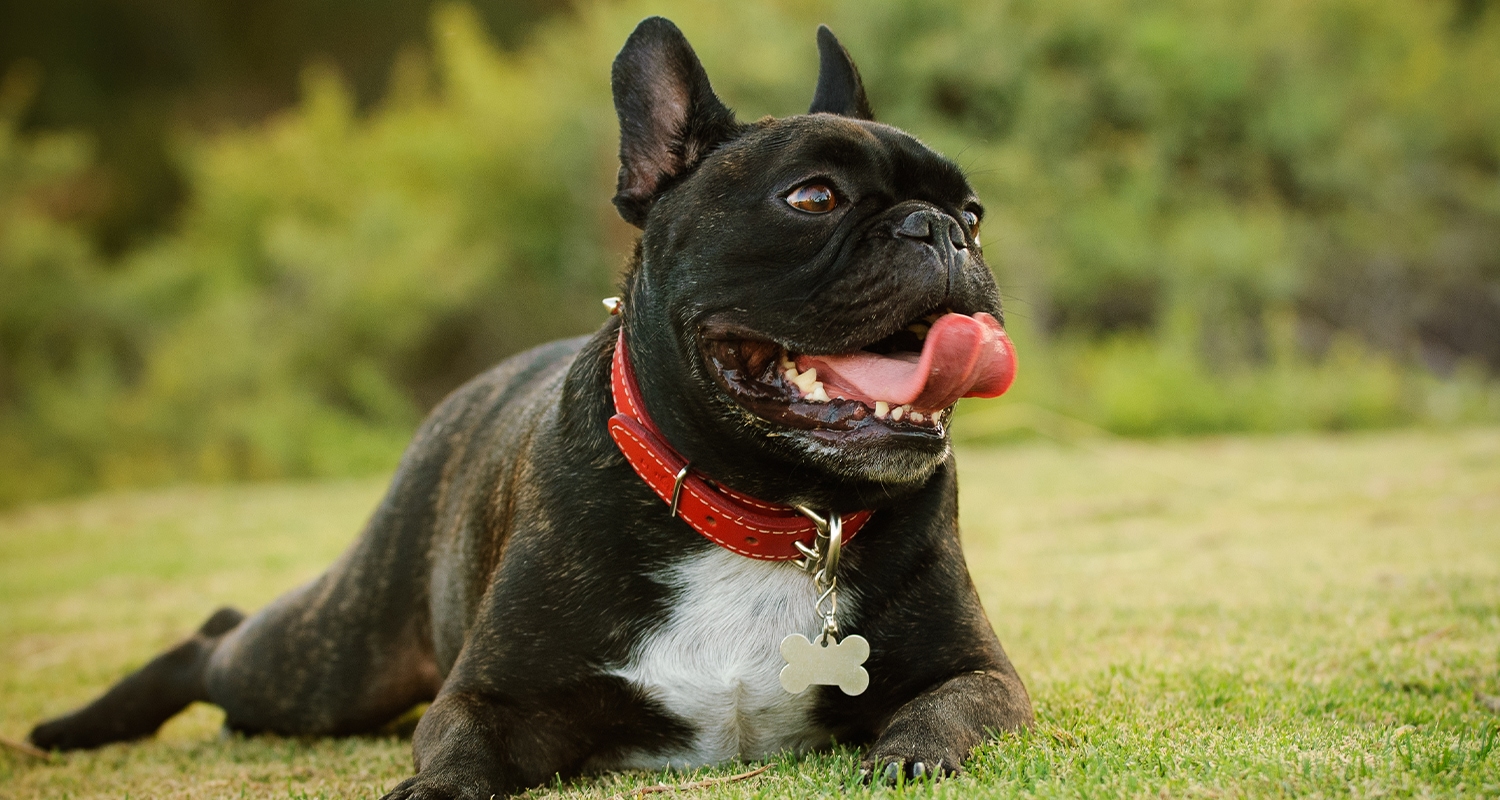
Image Source: www.trudellanimalhealth.com
Normal vs. Abnormal Breathing in Dogs
Before diving into potential problems, it’s important to differentiate between normal and abnormal breathing in dogs. Canine rapid breathing explained often boils down to distinguishing between panting and labored breathing.
What’s Normal?
- Panting: Dogs pant to cool down. Panting involves breathing fast, usually with the mouth open and tongue hanging out. This is a natural cooling mechanism, especially after exercise or in hot weather.
- Normal Respiratory Rate: A resting dog’s normal respiratory rate is typically between 12 and 24 breaths per minute. Small dogs might breathe a bit faster.
What’s Not Normal?
- Labored Breathing (Dyspnea): This involves difficulty breathing. You might see exaggerated chest movements, straining to breathe, or flared nostrils.
- Rapid Breathing at Rest (Tachypnea): This is breathing fast even when your dog is not hot or hasn’t been exercising.
- Changes in Gum Color: Pale, blue, or purple gums indicate a lack of oxygen and are a serious emergency.
- Coughing or Wheezing: These sounds can indicate airway problems.
- Restlessness and Anxiety: Your dog might be unable to get comfortable or seem agitated due to breathing difficulties. Dog breathing hard and restless is a red flag.
Potential Health Problems Causing Heavy Breathing in Dogs
Many dog heavy breathing causes exist. Identifying the underlying reason is critical for proper treatment.
Heart Problems
Heart disease can lead to fluid buildup in the lungs (pulmonary edema) or around the lungs (pleural effusion). This makes it difficult for your dog to breathe.
- Congestive Heart Failure (CHF): The heart can’t pump blood effectively, leading to fluid buildup.
- Heartworm Disease: Heartworms damage the heart and lungs, causing breathing problems.
Signs of Heart Problems:
- Coughing, especially at night
- Exercise intolerance
- Weakness or fainting
- Swollen abdomen
Respiratory Issues
Problems with the lungs or airways can directly impact breathing.
- Pneumonia: An infection of the lungs.
- Bronchitis: Inflammation of the airways.
- Tracheal Collapse: The trachea (windpipe) weakens and collapses, making it hard to breathe. Common in small breeds like Chihuahuas and Pomeranians.
- Laryngeal Paralysis: The larynx (voice box) doesn’t open properly during breathing. More common in older, large-breed dogs.
- Asthma: Inflammation and narrowing of the airways, although less common in dogs than in cats.
- Lung Tumors: Growths in the lungs can obstruct airflow.
Signs of Respiratory Issues:
- Coughing
- Wheezing
- Nasal discharge
- Gagging or retching
Heatstroke
Why is my dog panting excessively even when it’s not that hot? Heatstroke is a dangerous condition that occurs when a dog’s body temperature rises too high. Panting is a primary symptom, but it can quickly escalate to labored breathing and collapse.
Risk Factors for Heatstroke:
- Hot weather
- Exercise in the heat
- Being left in a car
- Brachycephalic breeds (see below)
Brachycephalic Airway Syndrome (BAS)
Brachycephalic breeds, such as Bulldogs, Pugs, and Boxers, have shortened noses and flattened faces. This anatomy can lead to breathing difficulties.
Common Problems Associated with BAS:
- Stenotic nares (narrowed nostrils)
- Elongated soft palate (too much tissue in the back of the throat)
- Tracheal hypoplasia (narrow windpipe)
These issues make it harder for these dogs to breathe, and they are prone to heavy panting and dog labored breathing reasons.
Anemia
Anemia is a condition where there are not enough red blood cells to carry oxygen throughout the body. This can cause rapid breathing as the body tries to compensate.
Causes of Anemia:
- Blood loss (from injury, parasites, or internal bleeding)
- Destruction of red blood cells (immune-mediated hemolytic anemia)
- Decreased red blood cell production (kidney disease, bone marrow disorders)
Pain and Anxiety
Pain or anxiety can cause a dog to breathe faster and harder.
- Pain: Any source of pain, such as arthritis, injury, or surgery, can lead to increased respiratory rate.
- Anxiety: Stressful situations like thunderstorms, vet visits, or separation anxiety can trigger rapid breathing.
Bloat (Gastric Dilatation-Volvulus – GDV)
GDV is a life-threatening condition where the stomach fills with gas and twists. This can put pressure on the diaphragm and lungs, making it difficult for the dog to breathe. GDV is more common in large, deep-chested breeds.
Signs of Bloat:
- Distended abdomen
- Retching without producing anything
- Restlessness
- Panting
- Collapse
Other Potential Causes
- Cushing’s disease: This hormonal disorder can cause increased panting.
- Metabolic acidosis: An imbalance in the body’s pH can affect breathing.
- Medications: Some medications, such as steroids, can cause increased panting.
- Obesity: Excess weight can put a strain on the respiratory system.
Recognizing Signs of Respiratory Distress in Dogs
Prompt recognition of signs of respiratory distress in dogs is crucial. These signs demand immediate veterinary attention.
| Sign | Description | Action |
|---|---|---|
| Labored breathing | Visible effort to breathe, exaggerated chest movements, flared nostrils | Seek immediate veterinary care. |
| Rapid breathing at rest | Breathing faster than normal when not exercising or hot | Monitor closely; contact your vet if it persists or worsens. |
| Blue or pale gums | Indicates lack of oxygen; life-threatening | Emergency veterinary care is needed. |
| Coughing or wheezing | May indicate airway obstruction or inflammation | Schedule a vet visit as soon as possible. |
| Restlessness or anxiety | Dog seems unable to get comfortable or is agitated | Investigate possible causes (pain, anxiety); consult your vet if it continues. |
| Open-mouth breathing (cats) | Cats rarely pant; open-mouth breathing is almost always a sign of respiratory distress in cats. | Seek immediate veterinary attention. |
Dog Breathing Changes Diagnosis
When you bring your dog to the vet for heavy breathing, they will likely perform a thorough examination and run some tests to determine the underlying cause. Dog breathing changes diagnosis can involve various methods.
Physical Examination
The vet will listen to your dog’s heart and lungs, check their gum color, and feel their abdomen.
Diagnostic Tests
- Blood Tests: To check for anemia, infection, organ function, and other abnormalities.
- Radiographs (X-rays): To visualize the heart, lungs, and airways.
- Echocardiogram: An ultrasound of the heart to assess its structure and function.
- Electrocardiogram (ECG): To monitor the heart’s electrical activity.
- Arterial Blood Gas Analysis: To measure oxygen and carbon dioxide levels in the blood.
- Bronchoscopy: A procedure where a small camera is inserted into the airways to visualize them and collect samples.
What To Do When Your Dog is Breathing Heavily
Your actions depend on the severity of the situation.
When to Seek Immediate Veterinary Care
- Labored Breathing: Any sign of difficulty breathing warrants immediate attention.
- Blue or Pale Gums: Indicates a critical lack of oxygen.
- Collapse or Loss of Consciousness: A life-threatening emergency.
- Bloat (Suspected): GDV requires immediate surgery.
When to Monitor and Consult Your Vet
- Rapid Breathing at Rest: If it persists or worsens, consult your vet.
- Coughing or Wheezing: Schedule a vet visit as soon as possible.
- Increased Panting Without Obvious Cause: If you can’t identify a clear reason for the increased panting (e.g., heat, exercise), consult your vet.
First Aid Measures
- Keep Your Dog Calm: Stress and excitement can worsen breathing problems.
- Ensure Adequate Ventilation: Make sure your dog has access to fresh air.
- Cool Down Your Dog: If heatstroke is suspected, move your dog to a cool place, offer water, and apply cool (not cold) water to their body.
- Transport Safely: When taking your dog to the vet, ensure they are secure and comfortable in the car.
Home Remedies for Dog Heavy Breathing
While home remedies for dog heavy breathing are limited and should never replace veterinary care, some measures can provide comfort and support while waiting for professional help.
Important Note: These remedies are for mild situations and should not be used if your dog is in severe respiratory distress. Always consult your veterinarian for proper diagnosis and treatment.
- Cool Environment: Keep your dog in a cool, well-ventilated area.
- Fresh Water: Ensure they have access to fresh, cool water.
- Avoid Strenuous Activity: Limit exercise, especially during hot weather.
- Humidifier: A humidifier can help moisten the air and ease breathing.
- Reduce Stress: Create a calm and quiet environment to minimize anxiety.
- Elevate Their Head: If your dog has fluid in their lungs, elevating their head can help them breathe easier.
Prevention
Preventing some causes of heavy breathing can greatly improve your dog’s quality of life.
- Maintain a Healthy Weight: Obesity can worsen respiratory problems.
- Regular Exercise: Regular, moderate exercise helps maintain cardiovascular health.
- Avoid Overheating: Take precautions during hot weather, such as providing shade, water, and avoiding strenuous activity.
- Heartworm Prevention: Use preventative medication year-round.
- Regular Veterinary Checkups: Early detection of heart and respiratory problems can improve treatment outcomes.
- Consider Breed-Specific Risks: If you have a brachycephalic breed, be aware of the risks associated with BAS and take appropriate precautions.
- Manage Allergies: If your dog has allergies, work with your vet to manage them effectively.
FAQ Section
Q: What is the normal breathing rate for a dog?
A: A normal resting respiratory rate for a dog is typically between 12 and 24 breaths per minute. Small dogs may breathe a bit faster.
Q: Can I give my dog human medication for breathing problems?
A: No! Never give your dog human medication without consulting your veterinarian. Many human medications are toxic to dogs.
Q: What should I do if my dog starts breathing heavily in the middle of the night?
A: If your dog is showing signs of labored breathing, blue gums, or collapse, seek emergency veterinary care immediately. If it’s just increased panting without other concerning signs, monitor them closely and consult your vet first thing in the morning.
Q: My dog is panting a lot, but it’s not hot. What could be the reason?
A: There are several possibilities, including pain, anxiety, heart problems, respiratory issues, anemia, or other underlying health conditions. It’s best to consult your veterinarian to determine the cause.
Q: How can I tell if my dog is just panting from heat or if it’s something more serious?
A: If your dog is panting excessively even after you’ve moved them to a cool place, offered water, and limited their activity, or if they are showing other signs of respiratory distress (labored breathing, blue gums, restlessness), it’s likely something more serious than just heat. Seek veterinary attention.
Q: Is heavy breathing always a sign of a serious problem in dogs?
A: Not always. Panting is a normal cooling mechanism. However, any changes in your dog’s breathing pattern, especially if accompanied by other symptoms, should be evaluated by a veterinarian.
Keep your canine companion thriving for years to come by becoming attuned to their breathing patterns and recognizing the common triggers for labored breaths, paving the way for swift and effective veterinary intervention.