
Can I spay a dog in heat? Yes, a dog can be spayed while in heat, but it’s generally not the preferred time to do so. Spaying a dog during her heat cycle presents increased risks compared to spaying her when she’s not in heat. This article explores the risks, benefits, and alternatives associated with spaying a dog during her heat cycle.
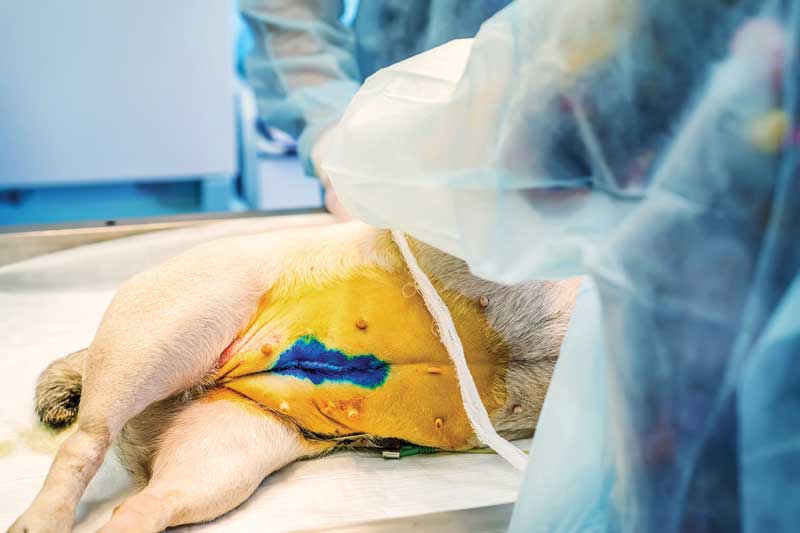
Image Source: www.veterinarypracticenews.com
Defining the Heat Cycle (Estrus) in Dogs
A dog’s heat cycle, also known as estrus, is the period when she’s fertile and able to become pregnant. Knowing what happens during these phases is important.
Stages of the Heat Cycle
-
Proestrus: This is the beginning of the cycle. You’ll see swelling of the vulva and bloody discharge. Male dogs will be attracted, but your dog won’t be receptive yet. This stage usually lasts about 9 days.
-
Estrus: This is when your dog can get pregnant. The vulva is still swollen, but the discharge becomes lighter, almost pink. Your dog will now allow male dogs to mate with her. This stage also lasts about 9 days.
-
Diestrus: After estrus, whether your dog is pregnant or not, she enters diestrus. This phase lasts about two months.
-
Anestrus: This is the period of reproductive inactivity. It lasts until the next proestrus.
Why Spaying is Typically Recommended Outside the Heat Cycle
Veterinarians usually recommend spaying dogs when they are not in heat for several important reasons. Elective spay during estrus is possible but not always the best option.
Reduced Surgical Risks
Spaying during anestrus, the period of inactivity, generally carries a lower risk of complications. The tissues aren’t as engorged with blood, leading to easier surgery.
Lower Hormone Levels
Hormone levels are lower when a dog isn’t in heat. These lower levels can help reduce the risk of bleeding during and after surgery.
Weighing the Risks of Spaying a Dog During Heat Cycle
While possible, spaying a dog in heat carries more risks than spaying her when she’s not.
Increased Bleeding
During heat, the uterus and surrounding tissues become engorged with blood. This significantly increases the risk of bleeding during surgery. This is one of the biggest risks of spaying a dog in heat.
Longer Surgery Time
Because of the increased bleeding, the surgery can take longer. This exposes your dog to anesthesia for a longer period, which can increase other risks.
Higher Risk of Complications
The increased bleeding and longer surgery time can increase the risk of complications such as:
- Hematoma: A collection of blood outside the blood vessels.
- Infection: The longer the surgery, the higher the risk of infection.
- Surgical Site Swelling: More swelling and discomfort after surgery.
Cost Considerations
Due to the increased complexity and risk, the cost of spaying a dog in heat is generally higher than spaying during anestrus. You should ask your vet about the cost of spaying a dog in heat before scheduling the procedure.
Appraising the Potential Benefits of Spaying During Heat
Despite the risks, there might be situations where the benefits of spaying a dog in heat outweigh the risks.
Preventing an Unplanned Pregnancy
If your dog is in heat and you’re concerned about an accidental pregnancy, spaying immediately will prevent it. This is a major benefit of spaying a dog in heat.
Addressing Uterine Issues
If your dog has a uterine infection (pyometra) or another uterine problem during her heat cycle, spaying becomes medically necessary.
When is Spaying During Heat a More Reasonable Option?
There are times when immediate spaying, even during heat, becomes a more sensible choice.
Emergency Situations
If your dog develops a severe uterine infection (pyometra), spaying is the treatment of choice. The risks of leaving the infection untreated are much greater than the risks of surgery during heat.
High Risk of Pregnancy
If you are absolutely certain your dog will become pregnant if you don’t spay her immediately, and you can’t keep her completely isolated from male dogs, spaying during heat might be the best option.
Fathoming How Veterinarians Mitigate Risks
Experienced veterinarians can take steps to minimize the risks of spaying a dog in heat.
Pre-Surgical Assessment
Your vet will perform a thorough physical exam and may run blood tests to check your dog’s overall health. This is especially important when spaying a dog during heat cycle.
Skilled Surgical Technique
A skilled surgeon will use meticulous techniques to control bleeding. This might involve using more sutures (stitches) and taking more time during the procedure.
Careful Monitoring
Your dog will be carefully monitored during and after surgery to watch for any signs of complications.
Pain Management
Adequate pain medication will be given to keep your dog comfortable after surgery.
Are There Alternatives to Spaying a Dog in Heat?
If you are hesitant about spaying your dog during heat, there are a few alternative approaches to consider, though most are temporary.
Waiting for the Heat Cycle to End
If possible, waiting until your dog’s heat cycle is over is the safest option. This allows the tissues to return to normal, reducing the risk of bleeding. However, you must be able to prevent pregnancy during this time.
Medical Management to Postpone Heat
There are medications that can temporarily postpone a dog’s heat cycle. However, these medications have their own potential side effects and are not a long-term solution. Talk to your vet about the pros and cons of these medications. This is an alternative to spaying dog in heat.
Strict Isolation
The most basic alternative is strict isolation of your dog from all male dogs for the duration of her heat cycle. This requires careful management and supervision.
Heat Cycle Spay Complications Explained
Even with the best surgical techniques, complications can still occur when spaying a dog in heat.
Hemorrhage
Excessive bleeding during or after surgery is the most common complication. This might require a blood transfusion or additional surgery to stop the bleeding.
Infection
Infection can occur at the surgical site. This is usually treated with antibiotics.
Seroma or Hematoma Formation
A seroma is a collection of fluid under the skin, while a hematoma is a collection of blood. These can occur at the surgical site and may require drainage.
Anesthetic Complications
Any surgery involving anesthesia carries a risk of complications. These can range from mild reactions to more serious problems such as respiratory or cardiac arrest.
Getting Veterinary Advice on Spaying in Heat
The best course of action depends on your dog’s individual circumstances. Consult with your veterinarian to discuss the risks and benefits of spaying your dog in heat, and to determine the safest option for her. Getting veterinary advice spaying in heat is crucial.
Questions to Ask Your Veterinarian
- What are the specific risks for my dog, given her age, breed, and health status?
- What steps will you take to minimize the risks during surgery?
- What is the estimated cost of the procedure?
- What are the signs of complications I should watch for after surgery?
- Are there any alternatives to spaying her now?
Post-Operative Care Following a Heat Cycle Spay
Proper post-operative care is essential to ensure a smooth recovery after spaying a dog in heat.
Monitoring the Incision
Check the incision site daily for signs of redness, swelling, discharge, or pain. Contact your vet if you notice any of these signs.
Limiting Activity
Restrict your dog’s activity for at least 10-14 days after surgery. This means no running, jumping, or rough play.
Preventing Licking
Prevent your dog from licking or chewing at the incision. This can be done with an Elizabethan collar (cone).
Administering Medications
Give all medications as prescribed by your veterinarian. This may include pain relievers and antibiotics.
Follow-Up Appointments
Attend all follow-up appointments with your veterinarian.
What’s the Cost of Spaying a Dog in Heat?
The cost of spaying a dog in heat varies depending on several factors, including:
- Location: Veterinary costs vary by geographic location.
- Clinic: Different clinics have different fees.
- Dog’s Size: Larger dogs may require higher doses of anesthesia and medication, increasing the cost.
- Complications: If complications arise during surgery, the cost will be higher.
- Pre-Surgical Testing: Bloodwork and other tests will add to the cost.
Generally, expect to pay more for spaying a dog in heat compared to spaying during anestrus. It’s crucial to get a cost estimate from your vet before proceeding.
A Final Word
Spaying a dog in heat is a more complex and risky procedure than spaying during anestrus. However, it may be necessary in certain situations. The decision to spay a dog in heat should be made in consultation with your veterinarian, considering the individual circumstances and weighing the risks and benefits.
Frequently Asked Questions (FAQ)
Q: Is it more painful for a dog to be spayed during heat?
A: It’s not necessarily more painful, but the increased swelling and inflammation associated with being in heat can contribute to more post-operative discomfort. Your vet will prescribe pain medication to manage this.
Q: How long does it take for a dog to recover after being spayed in heat?
A: The recovery time is generally the same as when spaying a dog not in heat (10-14 days), but because the surgery is more complex, there may be increased swelling and discomfort during the initial days.
Q: Can a dog still get pregnant if spayed during heat?
A: No. Once the ovaries and uterus are removed, the dog cannot get pregnant. However, if the dog mated shortly before the spay, she could still be pregnant. Discuss this possibility with your vet.
Q: What are the long-term effects of spaying a dog during heat?
A: The long-term effects are generally the same as spaying a dog at any other time: prevention of unwanted pregnancies, elimination of the risk of uterine infections, and decreased risk of mammary cancer.
Q: How soon after a heat cycle can I spay my dog?
A: Most vets recommend waiting about 2-3 months after the heat cycle has ended before spaying. This allows the tissues to return to normal and reduces the risk of complications.
Q: Can spaying a dog in heat cause false pregnancy?
A: No, spaying removes the uterus and ovaries, which eliminates the hormonal changes that cause false pregnancy.
Q: Will spaying a dog in heat affect her personality?
A: Spaying primarily affects hormone-related behaviors. It will not change her underlying personality or temperament.