
Can a dog get fixed while in heat? Yes, it is possible to spay a dog in heat, but it’s generally more complicated and carries a higher risk of complications compared to spaying a dog that is not in heat. This article will explore the pros, cons, and risks involved with spaying a dog during her heat cycle, and offer insights into the safest time to spay a dog.
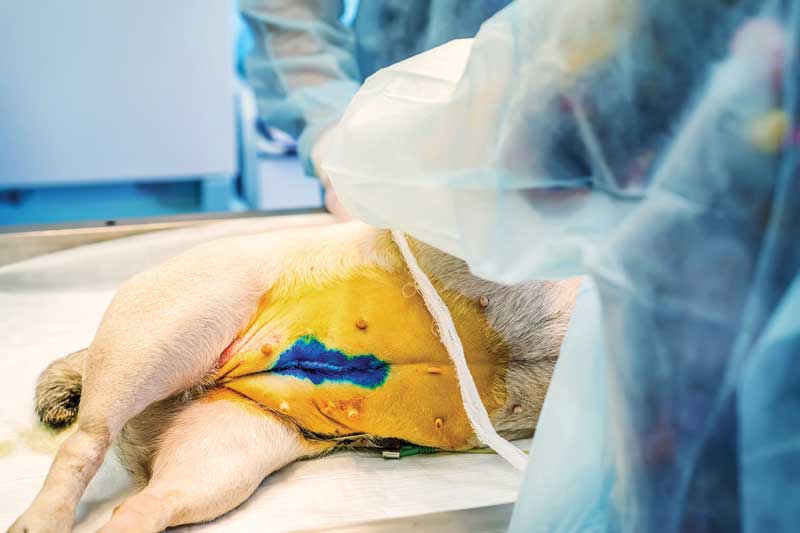
Image Source: www.veterinarypracticenews.com
Fathoming the Canine Estrus Cycle
A dog’s heat cycle, also known as the estrus cycle, is the recurring period when a female dog is fertile and receptive to mating. It’s important to have some perception of this process when asking, “Is it safe to spay a dog in heat?” The canine estrus cycle includes several stages:
- Proestrus: This is the beginning of the heat cycle. It lasts about 9 days. The vulva swells, and there is bloody discharge. Male dogs are attracted, but the female is not receptive yet.
- Estrus: This is the fertile phase, lasting about 9 days. The vaginal discharge becomes straw-colored or pink. The female will accept a male and can become pregnant.
- Diestrus: This phase lasts about 60-90 days. Whether the dog is pregnant or not, her hormone levels are similar.
- Anestrus: This is the period of reproductive inactivity. It can last for several months before the next proestrus phase begins.
Spaying a Dog in Heat: Reasons Why Owners Consider It
There are a few common reasons why someone might consider spaying a dog in heat:
- Accidental Mating: If a dog accidentally mates during her heat cycle, the owner might want to spay her to prevent pregnancy.
- Convenience: Owners may prefer to spay during heat if they don’t want to wait for the cycle to end.
- Veterinarian Availability: A vet might have an opening sooner during the heat cycle.
Pros of Spaying a Dog in Heat
While there are several downsides, there can be a couple of benefits:
- Prevention of Pregnancy: This is the most obvious one. Spaying eliminates the risk of unwanted puppies.
- Elimination of Heat Symptoms: Spaying stops all heat cycles, so there’s no more bleeding, swelling, or attracting male dogs.
Cons of Spaying a Dog in Heat
The cons of spaying a dog during her heat cycle generally outweigh the pros:
- Increased Risk of Bleeding: During heat, the uterus is engorged with blood. This makes surgery more difficult and increases the risk of significant blood loss. This directly relates to the risks of spaying during heat.
- Longer Surgery Time: Because of the increased blood flow and swelling, the surgery takes longer.
- Increased Cost: The increased complexity and time needed for surgery can increase the cost of spaying a dog in heat. The cost of spaying a dog in heat is usually higher than the typical spay.
- Higher Anesthetic Risk: Longer surgery times mean the dog is under anesthesia for a longer period, which can increase anesthetic risks.
- Greater Risk of Complications: There’s a higher chance of developing complications like infection or bleeding after surgery. These risks of spaying during heat should be discussed with a vet.
Deciphering the Risks of Spaying During Heat
It’s crucial to fully fathom the potential risks involved in spaying a dog while she’s in heat.
Anesthetic Risks
Any surgery carries risks associated with anesthesia. When a dog is in heat, the longer surgery time increases the risk of complications such as:
- Adverse Reactions: Dogs can react negatively to anesthetic drugs.
- Respiratory Problems: Anesthesia can depress breathing and heart rate.
- Prolonged Recovery: It may take longer for a dog to fully recover from anesthesia after a more complicated surgery.
Hemorrhage
Hemorrhage (excessive bleeding) is a significant concern when spaying a dog in heat. The engorged uterus and increased blood flow to the reproductive organs make it more likely that bleeding will occur during and after surgery. If excessive bleeding occurs, it can lead to:
- Hypovolemic Shock: This is a life-threatening condition caused by severe blood loss.
- Need for Blood Transfusion: In some cases, a blood transfusion may be necessary to stabilize the dog.
- Increased Risk of Infection: Blood loss can weaken the immune system, making the dog more susceptible to infection. Spaying dog bleeding is a serious concern.
Surgical Complications
The increased size and vascularity of the uterus during heat make surgery more difficult. Potential surgical complications include:
- Ligature Slippage: The sutures used to tie off blood vessels can slip, leading to bleeding.
- Uterine Stump Bleeding: The remaining uterine stump can bleed after the uterus is removed.
- Infection: Any surgery carries the risk of infection, and this risk is higher with a longer, more complicated procedure. Heat cycle spay complications need to be taken seriously.
Infection
Post-operative infection is a possible complication after any surgery, but the risk is higher when spaying during heat:
- Compromised Immune System: Stress and blood loss can weaken the immune system.
- Longer Incision Time: A longer surgery means more time for bacteria to enter the surgical site.
Grasping the Best Time to Spay a Dog
The safest time to spay a dog is typically during anestrus. This is the period of reproductive inactivity between heat cycles.
- Reduced Blood Flow: The uterus is not engorged with blood, reducing the risk of hemorrhage.
- Smaller Uterus: The uterus is smaller and easier to manipulate, making surgery less complicated.
- Shorter Surgery Time: Because the surgery is less complicated, it takes less time, reducing anesthetic risks.
Vets generally recommend waiting about 2-3 months after the end of a heat cycle before spaying. This allows the uterus to return to its normal size and blood flow to decrease. It is beneficial to spay or wait for heat to end.
Interpreting Alternatives to Spaying During Heat
If you are considering spaying your dog during heat, there may be alternatives depending on the situation:
- Wait for the Heat Cycle to End: This is generally the safest option. It allows the uterus to return to its normal size and reduces the risk of complications.
- Medical Abortion: If the dog was accidentally mated, a veterinarian can administer medication to terminate the pregnancy. This option is best pursued early in the pregnancy.
- Ovariectomy vs. Hysterectomy: A traditional spay involves removing both the ovaries and the uterus (ovariohysterectomy). In some cases, only the ovaries are removed (ovariectomy). While ovariectomy might be a simpler procedure, it is not common in the US as it does not eliminate the risk of uterine infections. Discuss these options with your vet.
What to Expect if Spaying a Dog in Heat is Necessary
If, after carefully weighing the risks and benefits with your veterinarian, you decide to proceed with spaying your dog during heat, here’s what to anticipate:
- Pre-Surgical Blood Work: Your vet will likely recommend blood work to assess your dog’s overall health and check for any underlying conditions that could increase surgical risks.
- IV Fluids: IV fluids will be administered during surgery to help maintain blood pressure and hydration.
- Extended Monitoring: Your dog will be closely monitored after surgery for any signs of complications, such as bleeding or infection.
- Pain Management: Pain medication will be given to keep your dog comfortable.
- Restricted Activity: You’ll need to restrict your dog’s activity for several days after surgery to allow the incision to heal properly.
Canine Estrus Surgery: What the Procedure Entails
The procedure itself is similar to a routine spay, but with added precautions. Canine estrus surgery requires meticulous surgical technique:
- Careful Tissue Handling: The vet will be extra careful when handling the tissues to minimize bleeding.
- Secure Ligatures: Extra care will be taken to ensure that all blood vessels are securely tied off.
- Longer Incision (Possibly): The vet may need to make a slightly larger incision to better visualize the organs.
Budgeting for the Procedure: The Cost of Spaying a Dog in Heat
The cost of spaying a dog in heat is usually higher than a routine spay due to the increased complexity and risk involved. The average cost can range from $400 to $1000 or more, depending on several factors:
- Veterinarian Fees: Different vets charge different rates.
- Geographic Location: Costs can vary depending on where you live.
- Complications: If complications arise during surgery, the cost will increase.
- Pre-Surgical Blood Work: Blood work will add to the overall cost.
- Post-Operative Care: Pain medication and extended monitoring will also add to the cost.
Always get a detailed estimate from your veterinarian before proceeding with the surgery.
Frequently Asked Questions (FAQ)
Q: How long does a dog’s heat cycle last?
A: A dog’s heat cycle typically lasts for about 2-3 weeks, with the fertile period (estrus) lasting around 9 days.
Q: Can I spay my dog right after her heat cycle ends?
A: Most vets recommend waiting 2-3 months after the heat cycle ends to allow the uterus to return to its normal size.
Q: Is it always more expensive to spay a dog in heat?
A: Yes, it is generally more expensive due to the increased complexity and risk involved.
Q: What are the signs of complications after spaying a dog in heat?
A: Signs of complications include excessive bleeding, swelling, redness, discharge from the incision, lethargy, loss of appetite, and vomiting. Contact your vet immediately if you notice any of these signs.
Q: Are there long-term health effects of spaying a dog in heat?
A: While there’s a higher risk of short-term complications, there are no known long-term health effects specifically associated with spaying during heat compared to spaying during anestrus, assuming the surgery is successful.
Q: What happens if I can’t afford to spay my dog in heat?
A: Talk to your vet about payment plans or look into low-cost spay/neuter clinics in your area. Some organizations may offer financial assistance.
Q: What are the alternatives to spaying a dog?
A: Confining the dog during heat is an alternative to prevent pregnancy, however, this requires constant surveillance and separation from male dogs. Medical alternatives are also available with a vet’s prescription.