
Yes, it is possible, but rare, for a dog to get parvo twice. While surviving a parvo infection typically confers a degree of immunity, it is not always lifelong or absolute. Several factors can influence whether a dog might experience parvo reinfection. This article explores the intricacies of parvo immunity, the circumstances that might lead to parvo reinfection in dogs, and what pet owners can do to protect their canine companions.
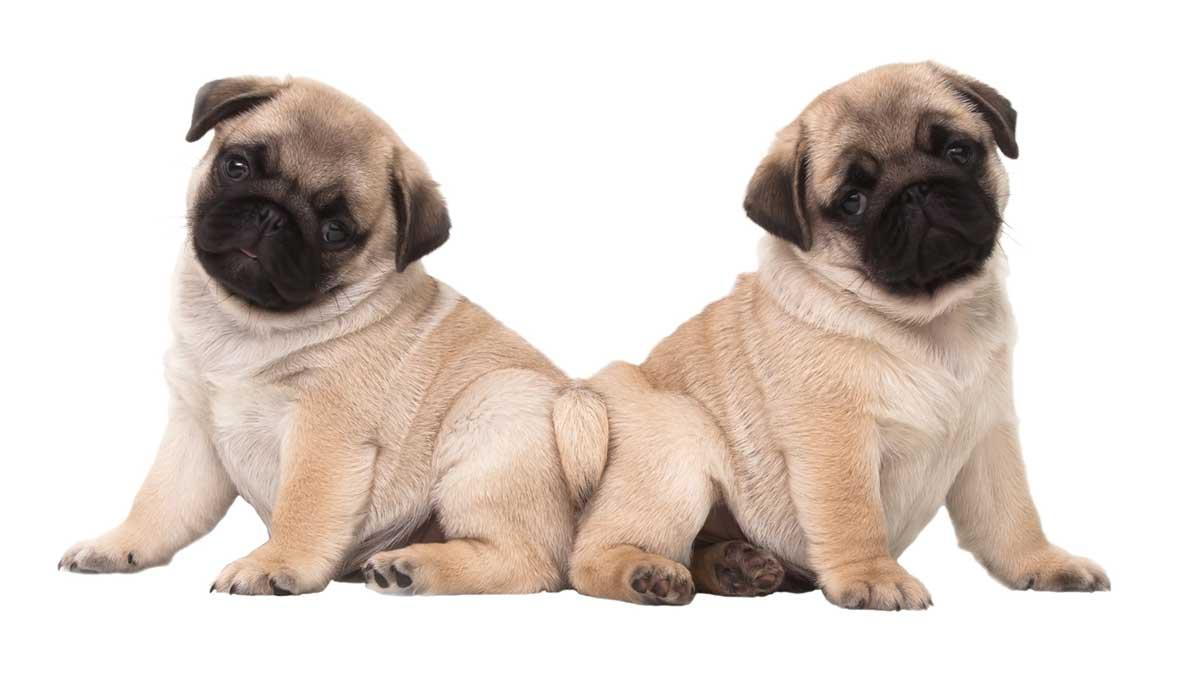
Image Source: smb.ibsrv.net
Parvo Immunity: How It Works
When a dog recovers from canine parvovirus (CPV), their immune system develops antibodies specific to the virus. These antibodies act like soldiers, ready to recognize and neutralize the virus if it ever enters the body again. This is known as acquired immunity.
- Antibody Production: The body’s primary defense.
- Cellular Immunity: Involves T-cells that remember and attack infected cells.
- Memory Cells: Long-lived immune cells that provide prolonged protection.
Factors Affecting Initial Immunity
Several factors influence the strength and duration of immunity after a parvo infection:
- Age: Puppies may not develop as robust an immune response as adult dogs.
- Health Status: An otherwise healthy dog is more likely to develop strong immunity.
- Viral Load: The amount of virus the dog was exposed to initially affects the immune response.
- Veterinary Care: Early and comprehensive treatment impacts immune response.
The Reality of Parvo Immunity After Recovery
While many dogs develop solid immunity after recovering from parvo, it’s essential to understand the nuances:
- Not Always Lifelong: Immunity can wane over time, particularly if the dog is not regularly exposed to the virus.
- Strain Variations: New strains of parvo can sometimes evade existing immunity.
- Individual Variability: Some dogs simply don’t develop as strong or long-lasting immunity as others.
Understanding Parvo Reinfection in Dogs
Despite the acquired immunity, parvo reinfection in dogs can occur. Several factors can contribute to the possibility of a second infection.
Factors Contributing to Canine Parvovirus Recurrence
- Waning Immunity: Over time, the level of protective antibodies in a dog’s system can decrease.
- Emergence of New Strains: CPV is constantly evolving. New strains may not be fully recognized by the antibodies developed against previous strains.
- Immunosuppression: Conditions or medications that weaken the immune system can make a dog more susceptible to reinfection.
- High Viral Exposure: Exposure to a large amount of the virus can overwhelm the existing immune defenses.
Parvo Virus Recurrence: When It Might Happen
- Years After Initial Infection: Although rare, reinfection is most likely when years have passed since the initial infection.
- Weakened Immune Systems: Dogs with underlying health issues are at higher risk.
- Environmental Exposure: Living in an environment with a high prevalence of parvo.
Dog Parvo Reinfection Rate
The exact parvo reinfection rate is not precisely documented. However, veterinary experts agree that it is significantly lower than the initial infection rate, especially in dogs who were properly vaccinated after recovery. It’s crucial to understand that while the risk is present, the probability is relatively low.
| Factor | Impact on Reinfection Risk |
|---|---|
| Time Since Infection | Increases with time |
| Immune System Strength | Decreases with weakness |
| Strain of Virus | Increases with new strains |
| Viral Exposure | Increases with high levels |
Distinguishing Between Reinfection and Relapse
It’s important to distinguish between true reinfection and a relapse of the initial infection:
- Reinfection: A new infection caused by a different exposure to the virus.
- Relapse: A resurgence of the original infection, often due to incomplete clearance of the virus or underlying health issues. Relapse is less common with parvo.
How to Recognize Parvo Reinfection in Dogs
Recognizing the signs of parvo is crucial for prompt treatment. The symptoms are similar whether it’s the first infection or a potential reinfection.
Common Symptoms of Parvo
- Lethargy: Extreme tiredness and lack of energy.
- Loss of Appetite: Refusal to eat or drink.
- Fever: Elevated body temperature.
- Vomiting: Frequent episodes of throwing up.
- Severe Diarrhea: Often bloody and foul-smelling.
- Dehydration: Signs include dry gums and sunken eyes.
What to Do If You Suspect Parvo Reinfection
- Immediate Veterinary Care: Contact your veterinarian immediately. Parvo is a medical emergency.
- Isolation: Keep the dog away from other dogs to prevent further spread of the virus.
- Diagnostic Testing: Your vet will perform tests to confirm parvo and rule out other potential causes.
Parvo Immunity Duration in Dogs: What Research Shows
Research on parvo immunity duration in dogs is ongoing. Studies have shown that:
- Vaccine-Induced Immunity: Vaccination provides strong and long-lasting protection, often for several years.
- Natural Immunity: Natural immunity acquired after infection can also be long-lasting, but its duration is more variable.
- Booster Shots: Veterinarians recommend periodic booster shots to maintain immunity, especially in dogs at higher risk.
Protecting Your Dog From Parvo Reinfection
While the risk of parvo reinfection might be low, proactive measures are vital to safeguarding your dog’s health.
Essential Preventative Measures
- Vaccination: Ensure your dog receives the complete series of parvo vaccines as a puppy and regular booster shots as recommended by your vet.
- Hygiene: Practice good hygiene by cleaning up after your dog and disinfecting areas where they spend time.
- Avoid High-Risk Areas: Steer clear of places where many dogs congregate, especially if you’re unsure of their vaccination status.
- Boosters: Follow your veterinarian’s schedule for booster vaccinations.
The Importance of Timely Vaccination and Boosters
Vaccination is the cornerstone of parvo prevention. Vaccines stimulate the immune system to produce antibodies without causing illness. Regular booster shots help maintain a high level of protection.
Dog Parvo Second Time: Assessing the Risks
- Puppies: Ensure they get all required vaccinations.
- Older Dogs: Booster shots are critical to maintaining immunity.
- Immunocompromised Dogs: Discuss risks with your vet and take extra precautions.
- Dogs in Shelters: Shelters must have rigorous hygiene and vaccination protocols.
Parvo Reinfection Risk: How to Minimize It
Minimize the risk of parvo reinfection through diligent preventative care and awareness of potential risk factors. Regular veterinary check-ups and prompt attention to any signs of illness are also essential.
Fathoming the Nuances of CPV Strains
Parvo exists in multiple strains, and understanding these nuances is vital in grasping reinfection dynamics.
The Evolution of CPV Strains
- Original CPV-2: The original strain of canine parvovirus.
- CPV-2a, CPV-2b, CPV-2c: Evolved strains with genetic variations that can affect their ability to infect dogs with existing immunity.
- New Variants: Ongoing evolution can lead to the emergence of new strains that may partially evade current vaccines.
The Impact of Strain Variation on Immunity
The evolution of parvo strains can impact the effectiveness of acquired immunity. While vaccines typically provide broad protection against most strains, there’s always a possibility that a new, significantly different strain could cause infection in a previously immune dog.
The Role of Vaccination Against Different Strains
Vaccines are designed to provide cross-protection against multiple strains of parvo. However, continuous monitoring of emerging strains is crucial to ensure vaccines remain effective.
Comprehensive Treatment Options for Parvo Reinfection
If a dog experiences parvo reinfection, prompt and aggressive treatment is essential.
Veterinary Care Is Critical
- Intravenous Fluids: To combat dehydration.
- Anti-Emetics: To control vomiting.
- Antibiotics: To prevent secondary bacterial infections.
- Nutritional Support: To maintain strength.
- Plasma Transfusions: In severe cases, to provide antibodies.
Supportive Care at Home
- Follow Veterinary Instructions: Administer medications as directed.
- Hygiene: Keep the dog clean and comfortable.
- Monitor Symptoms: Watch for any changes in condition.
- Isolation: Keep the dog separated from other pets.
Dispelling Myths About Parvo Reinfection
Several myths surround parvo reinfection. Let’s address some common misconceptions:
- Myth: Once a dog has parvo, they are immune for life. Reality: Immunity can wane, and new strains can emerge.
- Myth: Only puppies get parvo. Reality: Unvaccinated or immunocompromised adult dogs can also get parvo.
- Myth: Parvo is always fatal. Reality: With prompt and aggressive treatment, many dogs recover from parvo.
The Broader Impact: Canine Health and Community
The risk of parvo reinfection highlights the importance of community-wide efforts to control the spread of this devastating virus.
Community Responsibility
- Vaccinate Pets: Protect your pets and prevent them from spreading the virus.
- Report Cases: Alert local animal shelters and veterinary clinics to potential outbreaks.
- Educate Others: Share information about parvo prevention and treatment.
The Role of Shelters and Rescues
Shelters and rescues play a critical role in preventing the spread of parvo:
- Vaccination Protocols: Implement rigorous vaccination protocols for all incoming animals.
- Quarantine Procedures: Isolate sick animals to prevent transmission.
- Hygiene Practices: Maintain strict hygiene practices to minimize contamination.
Frequently Asked Questions (FAQ)
Q: Can a dog be a carrier of parvo without showing symptoms?
A: Yes, dogs can shed the virus for a period after recovering from parvo, even if they no longer show symptoms. This is why it’s crucial to maintain good hygiene practices and limit contact with other dogs during this time.
Q: How long does parvo virus live in the environment?
A: Parvo is a hardy virus and can survive for months, even years, in the environment, especially in soil. This is why thorough disinfection is crucial to prevent reinfection.
Q: Is there a specific test to determine parvo immunity?
A: Antibody titer tests can measure the level of antibodies in a dog’s blood. While they can provide an indication of immunity, they are not always definitive. Your veterinarian can advise whether a titer test is appropriate for your dog.
Q: Can a dog with parvo infect a cat?
A: Canine parvovirus primarily affects dogs. However, cats can be infected with feline parvovirus, also known as feline distemper.
Q: What disinfectants are effective against parvo?
A: Bleach is highly effective against parvo. Use a solution of one part bleach to 32 parts water to disinfect surfaces.
By staying informed and taking proactive measures, pet owners can significantly reduce the risk of parvo infection and reinfection in their canine companions, ensuring their long-term health and well-being.