
Yes, dogs can eat Jello in very small amounts, but it’s generally not recommended. The main concern lies in the ingredients often found in Jello, which can be harmful to your furry friend. This guide will help you navigate the dog jello safety question, covering everything from jello ingredients to potential risks and healthier alternatives.
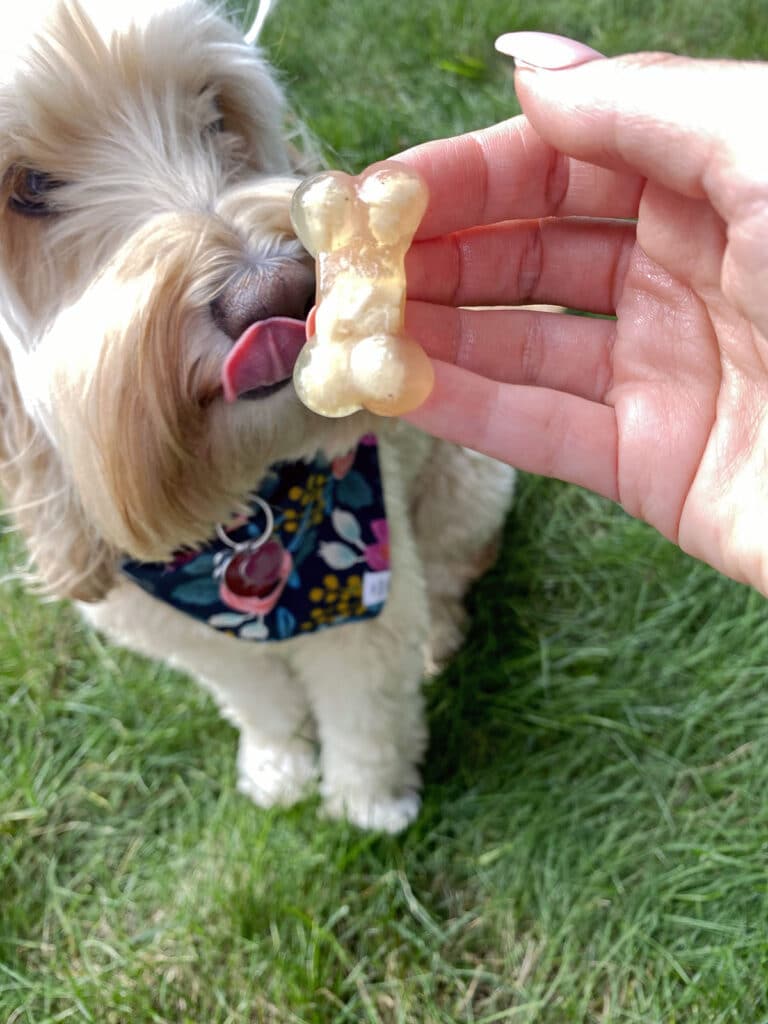
Image Source: wearenotmartha.com
Diving into Jello: Is It Safe for Your Dog?
While a tiny lick of plain, unflavored gelatin might not cause immediate harm, feeding your dog Jello regularly or in significant quantities is generally a bad idea. Let’s explore why.
Decoding the Jello Ingredients Dogs Encounter
To truly gauge the dog jello safety, we need to look closely at what’s inside:
- Gelatin: This is the base of Jello, made from animal collagen. Plain gelatin powder (unflavored and unsweetened) is generally considered safe for dogs and even has some potential health benefits. We’ll talk more about can dogs have gelatin below.
- Sugar: Most commercial Jello brands are loaded with sugar. Excessive sugar intake can lead to weight gain, dental problems, and even diabetes in dogs.
- Artificial Sweeteners: This is where things get really dangerous. Many sugar-free Jello products contain artificial sweeteners like xylitol, which is extremely toxic to dogs. Even small amounts of xylitol can cause a rapid drop in blood sugar, seizures, liver failure, and even death. Always check for artificial sweeteners dogs should avoid.
- Artificial Colors and Flavors: These additives offer no nutritional value and can sometimes cause allergic reactions or digestive upset in sensitive dogs.
- Other Additives: Some Jello varieties may contain preservatives or other additives that could be harmful to dogs.
Table: Common Jello Ingredients and Their Potential Effects on Dogs
| Ingredient | Potential Effect on Dogs |
|---|---|
| Gelatin | Generally safe in small amounts; may offer some joint health benefits |
| Sugar | Weight gain, dental problems, diabetes |
| Xylitol (Artificial Sweetener) | Extremely Toxic: Rapid drop in blood sugar, seizures, liver failure, death |
| Other Artificial Sweeteners | Potentially toxic; can cause digestive upset |
| Artificial Colors & Flavors | Allergic reactions, digestive upset |
Is Jello Bad for Dogs? Weighing the Risks
The answer isn’t a simple yes or no, but leans heavily towards “yes, it’s often best to avoid it”. Here’s why:
- Toxicity of Artificial Sweeteners: Sugar-free Jello, in particular, poses a severe threat. Xylitol is rapidly absorbed into a dog’s bloodstream, causing a surge of insulin release. This can lead to hypoglycemia (low blood sugar) within minutes to hours. Even if your dog survives the initial hypoglycemia, xylitol can cause severe liver damage.
- Sugar Overload: Even regular Jello isn’t healthy. The high sugar content contributes to obesity, dental problems, and an increased risk of diabetes.
- Lack of Nutritional Value: Jello offers virtually no essential nutrients that your dog needs. It’s empty calories with potential risks.
- Digestive Issues: Some dogs may experience an upset stomach after eating Jello, even if it doesn’t contain artificial sweeteners. This could be due to the artificial colors, flavors, or other additives. If you notice any vomiting or diarrhea, it could be a sign of dog upset stomach jello issues.
- Allergies: Although rare, your dog could be allergic to an ingredient in Jello, causing itching, hives, swelling, or other allergic reactions.
Sugar Free Jello Dogs: A Definite No-No
Under no circumstances should you give your dog sugar-free Jello. The risk of xylitol poisoning is simply too high. Even a tiny amount can be fatal. If you suspect your dog has ingested sugar-free Jello, contact your veterinarian or an animal poison control center immediately.
Can Dogs Have Gelatin: Examining the Potential Benefits
While commercial Jello is generally discouraged, plain, unflavored gelatin powder can be a safe and even beneficial addition to your dog’s diet in moderation. Gelatin is a protein derived from collagen, and it may offer some potential advantages:
- Joint Health: Gelatin contains collagen, which is a key component of cartilage. Some believe that supplementing with gelatin may help support joint health, especially in older dogs or those with arthritis.
- Digestive Health: Gelatin may help soothe the digestive tract and improve gut health in some dogs.
- Skin and Coat Health: Collagen is also important for maintaining healthy skin and a shiny coat.
However, it’s crucial to remember that more research is needed to confirm these benefits definitively. Always consult your veterinarian before adding gelatin to your dog’s diet.
Creating Dog Treat Jello: Safe and Healthy Alternatives
If you want to make a fun, jiggly treat for your dog, you can easily create a healthy, homemade version using plain gelatin and dog-friendly ingredients. Here are some ideas:
Recipe 1: Chicken Broth Jello Treats
Ingredients:
- 2 cups low-sodium chicken broth (ensure it doesn’t contain onion or garlic powder, as these are toxic to dogs)
- 2 tablespoons plain, unflavored gelatin powder
Instructions:
- Pour 1/2 cup of cold chicken broth into a bowl.
- Sprinkle the gelatin powder over the cold broth and let it sit for 5-10 minutes to soften (this is called “blooming”).
- Heat the remaining 1 1/2 cups of chicken broth in a saucepan over low heat. Do not boil.
- Once the broth is warm, add the bloomed gelatin mixture and stir until the gelatin is completely dissolved.
- Pour the mixture into silicone molds (bone shapes, paw prints, or small cups work well).
- Refrigerate for at least 2-3 hours, or until firm.
Recipe 2: Veggie-Packed Jello Bites
Ingredients:
- 1 cup water
- 2 tablespoons plain, unflavored gelatin powder
- 1/2 cup pureed vegetables (carrots, sweet potatoes, peas)
- Optional: Small pieces of cooked chicken or beef
Instructions:
- Pour 1/4 cup of cold water into a bowl.
- Sprinkle the gelatin powder over the cold water and let it bloom for 5-10 minutes.
- Heat the remaining 3/4 cup of water in a saucepan over low heat. Do not boil.
- Add the bloomed gelatin mixture and stir until dissolved.
- Stir in the pureed vegetables and any optional meat pieces.
- Pour into molds and refrigerate until firm.
Recipe 3: Peanut Butter Pupsicles
Ingredients:
- 1 cup water
- 2 tablespoons plain, unflavored gelatin powder
- 1/4 cup unsweetened peanut butter (make sure it does NOT contain xylitol)
Instructions:
- Pour 1/4 cup of cold water into a bowl.
- Sprinkle the gelatin powder over the cold water and let it bloom for 5-10 minutes.
- Heat the remaining 3/4 cup of water in a saucepan over low heat. Do not boil.
- Add the bloomed gelatin mixture and stir until dissolved.
- Whisk in the peanut butter until smooth.
- Pour into molds and freeze until solid. These are best served frozen!
Important Considerations for Homemade Dog Treat Jello:
- Always use plain, unflavored gelatin powder.
- Avoid adding any sugar, artificial sweeteners, or other potentially harmful ingredients.
- Choose dog-safe ingredients. Avoid onions, garlic, grapes, raisins, chocolate, and xylitol.
- Start with small amounts. Introduce new treats gradually to avoid digestive upset.
- Store treats properly. Keep refrigerated or frozen as needed.
Jello Nutritional Value for Dogs: A Closer Look
Let’s be clear: Commercial Jello offers virtually no nutritional value for dogs. It’s primarily sugar and artificial ingredients.
Plain gelatin powder, on the other hand, does contain some protein (from collagen) and trace amounts of amino acids. However, it’s not a complete protein source and shouldn’t be relied upon as a primary source of nutrition for your dog.
Homemade dog treat jello can be more nutritious, depending on the ingredients you use. Adding pureed vegetables, meat, or other healthy ingredients will increase the nutritional value of the treats.
Harmful Ingredients in Jello for Dogs: A Quick Recap
To reiterate, here’s a summary of the most concerning harmful ingredients in jello for dogs:
- Xylitol (and other artificial sweeteners): Extremely toxic and potentially fatal.
- Excessive sugar: Contributes to weight gain, dental problems, and diabetes.
- Artificial colors and flavors: Can cause allergic reactions or digestive upset.
Deciding Whether to Share: A Final Thought
While a tiny amount of plain gelatin may be harmless (and potentially even beneficial), the risks associated with commercial Jello generally outweigh any potential benefits. When it comes to your dog’s health, it’s always best to err on the side of caution. Stick to safe, healthy treats specifically designed for dogs, or create your own homemade jello treats using dog-friendly ingredients.
Frequently Asked Questions (FAQ)
Q: My dog ate a small amount of regular Jello. Should I be worried?
A: A small amount of regular Jello is unlikely to cause serious harm, but monitor your dog for any signs of digestive upset (vomiting, diarrhea) or allergic reaction. Contact your veterinarian if you have any concerns.
Q: What should I do if my dog ate sugar-free Jello?
A: Sugar-free Jello is a medical emergency. Contact your veterinarian or an animal poison control center immediately. Time is of the essence.
Q: Can gelatin help with my dog’s arthritis?
A: Some studies suggest that gelatin may help support joint health in dogs with arthritis, but more research is needed. Talk to your veterinarian to determine if gelatin supplementation is appropriate for your dog.
Q: How much plain gelatin can I give my dog?
A: A general guideline is to give small dogs (under 20 pounds) about 1/2 teaspoon of gelatin powder per day, medium dogs (20-50 pounds) 1 teaspoon, and large dogs (over 50 pounds) 1-2 teaspoons. Always start with a smaller amount and monitor your dog for any adverse reactions. Consult with your veterinarian for personalized recommendations.
Q: Are there any dogs that should especially avoid gelatin?
A: While generally safe, some dogs may have sensitivities or allergies to gelatin. Dogs with pre-existing kidney or liver conditions should also be monitored closely when given gelatin. Always consult with your veterinarian before adding any new supplements to your dog’s diet.
Q: Can I use Jello as a way to give my dog medication?
A: While you could theoretically use a tiny amount of plain gelatin to help administer medication, it’s generally not the best option. There are other dog-friendly treats or pill pockets specifically designed for this purpose. The sugar and artificial ingredients in Jello are not ideal for masking medication.