

Can dogs eat ketchup? Generally, it’s best to avoid giving your dog ketchup. While a tiny amount probably won’t cause serious harm, ketchup offers no nutritional value for dogs and contains ingredients that can be detrimental to their health in larger quantities. So, while it’s not an outright “poison,” it’s far from a good choice. Let’s break down why.
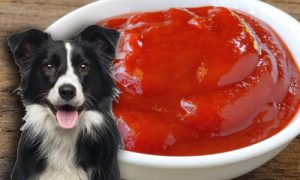
The Truth About Tomato Toxicity: Should You Worry?
Many people believe that tomatoes are poisonous to dogs, raising concerns about tomato toxicity in dogs. It’s a bit of a misconception. Ripe tomatoes are generally safe for dogs in small amounts. The problem lies in the green parts of the tomato plant—the stems, leaves, and unripe tomatoes—which contain a substance called solanine. Solanine is toxic and can cause gastrointestinal upset, lethargy, and even neurological issues in dogs if ingested in significant amounts. Since ketchup is made from ripe tomatoes, the solanine levels are usually negligible. However, it’s the other ketchup ingredients harmful to dogs that present a greater risk.
Deconstructing Ketchup: What’s Lurking Inside?
Ketchup isn’t just about tomatoes. It’s a blend of ingredients, some of which are definitely not canine-friendly. Here’s a closer look:
- Sugar: Ketchup is often loaded with sugar, which contributes to weight gain, dental problems, and can worsen conditions like diabetes in dogs. Excess sugar also messes with their digestive system.
- Salt: Too much sodium isn’t good for anyone, including dogs. It can lead to dehydration and, in severe cases, sodium ion poisoning.
- Onion and Garlic: These belong to the Allium family and are toxic to dogs. They can damage red blood cells and cause anemia. Even small amounts can be problematic over time. Some ketchups contain onion powder or garlic powder, so always read the label.
- Artificial Sweeteners: Some “sugar-free” ketchups use artificial sweeteners like xylitol, which is extremely toxic to dogs. Even tiny amounts of xylitol can cause a rapid drop in blood sugar (hypoglycemia) and liver failure. This is a major concern if your dog ate ketchup with xylitol.
- Vinegar: While not directly toxic, the acidity of vinegar can upset a dog’s stomach, especially if they have a sensitive digestive system.
- Spices and Additives: Many ketchups include spices and other additives that could irritate a dog’s stomach or trigger allergies.
| Ingredient | Potential Harm to Dogs |
|---|---|
| Sugar | Weight gain, dental problems, diabetes |
| Salt | Dehydration, sodium ion poisoning |
| Onion/Garlic | Anemia, damage to red blood cells |
| Xylitol | Hypoglycemia, liver failure |
| Vinegar | Stomach upset |
| Spices/Additives | Irritation, allergies |
What If Your Dog Got Into the Ketchup? Assessing the Risk
So, what happens if your furry friend sneaks a lick of ketchup or even manages to down a whole packet? The effects of ketchup on dogs depend on several factors:
- Amount Consumed: A tiny taste is unlikely to cause major problems. However, the more ketchup your dog eats, the greater the risk of adverse effects.
- Dog’s Size and Breed: Smaller dogs are generally more susceptible to the negative effects of toxic ingredients. Certain breeds may also be more prone to digestive issues.
- Overall Health: Dogs with underlying health conditions, such as diabetes or kidney problems, are more vulnerable to the harmful effects of ketchup.
- Ketchup Ingredients: As mentioned earlier, the presence of xylitol or large amounts of onion/garlic significantly increases the risk.
Watch out for these ketchup poisoning in dogs symptoms:
- Vomiting
- Diarrhea
- Lethargy
- Loss of appetite
- Excessive thirst or urination
- Abdominal pain
- Weakness
If you notice any of these signs, contact your veterinarian immediately. It’s always better to be safe than sorry.
The Vet’s Perspective on Accidental Ketchup Consumption
Drawing from years of experience in veterinary care, the typical advice I give pet owners is this: a small amount of ketchup is usually not a medical emergency, but observation is key. If you know or suspect your dog ate a significant amount of ketchup, particularly if it contained questionable ingredients, contacting your vet is crucial. They may advise you to monitor your dog closely, induce vomiting (if appropriate and safe to do so, never induce vomiting without veterinary guidance!), or bring your dog in for examination and treatment. Never try to treat suspected poisoning at home without professional advice.
Safe Condiments for Dogs: What Are the Alternatives?
Okay, so ketchup is a no-go. But what if you want to add a little something extra to your dog’s food or treats? Fortunately, there are several safe condiments for dogs that can provide flavor and even some health benefits.
- Plain Yogurt (Unsweetened): A good source of probiotics, which can aid digestion. Make sure it doesn’t contain artificial sweeteners like xylitol.
- Plain Pumpkin Puree: High in fiber, pumpkin can help with both diarrhea and constipation.
- Bone Broth: A flavorful and nutritious option that provides collagen and other beneficial nutrients. Make sure it’s low in sodium and doesn’t contain onion or garlic.
- Peanut Butter (Unsweetened): Most dogs love peanut butter! Choose a brand that doesn’t contain xylitol.
- Small Amounts of Cooked, Unseasoned Vegetables: Carrots, green beans, and sweet potatoes can add flavor and nutrients to your dog’s diet.
| Safe Condiment | Benefits | Cautions |
|---|---|---|
| Plain Yogurt | Probiotics, digestion | Ensure no xylitol |
| Plain Pumpkin Puree | High fiber, regulates digestion | Use plain puree, not pie filling |
| Bone Broth | Collagen, nutrients | Low sodium, no onion/garlic |
| Peanut Butter | Protein, healthy fats | Ensure no xylitol |
| Cooked Veggies | Vitamins, minerals | Unseasoned, avoid toxic vegetables (like onions and raw potatoes) |
Debunking Myths: Can Dogs Have Tomatoes?
Let’s revisit the tomato question. Can dogs have tomatoes? As mentioned earlier, ripe tomatoes are generally considered safe for dogs in small quantities. However, it’s important to be cautious. Some dogs may be sensitive to tomatoes, even when ripe. Start with a very small amount to see how your dog reacts. And always avoid giving your dog green tomatoes, tomato stems, or tomato leaves.
Crafting Canine Cuisine: Alternatives to Ketchup for Dogs
Instead of reaching for the ketchup bottle, consider creating your own dog-friendly flavor enhancers at home. This way, you have complete control over the ingredients and can ensure that your dog is getting a safe and healthy treat.
- Homemade Tomato-Based Sauce (Dog-Friendly): If you really want to give your dog a tomato-based treat, you can make your own sauce using ripe tomatoes, a small amount of dog-friendly broth, and perhaps a touch of herbs like basil or parsley. Avoid adding any salt, sugar, onion, or garlic. Cook the mixture until it’s soft and blended, then let it cool completely before serving.
- Pureed Veggie Mix: Combine cooked and pureed sweet potatoes, carrots, and green beans for a flavorful and nutritious topping for your dog’s food.
- Broth-Soaked Kibble: Add a splash of low-sodium bone broth or chicken broth to your dog’s kibble to make it more appealing.
The Bottom Line: Ketchup and Canines Don’t Mix Well
While a tiny lick of ketchup is unlikely to cause serious harm, it’s best to keep it away from your dog altogether. The high sugar and salt content, potential presence of toxic ingredients like onion and garlic, and the risk of artificial sweeteners make ketchup a poor choice for canine consumption. There are plenty of safe and healthy alternatives to ketchup for dogs that can provide flavor and nutritional benefits without the risks. Always prioritize your dog’s health and well-being by choosing dog-friendly options and consulting with your veterinarian if you have any concerns.
Frequently Asked Questions (FAQ) About Dogs and Ketchup
- What should I do if my dog ate ketchup?
Monitor your dog for any signs of illness, such as vomiting, diarrhea, or lethargy. Contact your veterinarian if you’re concerned or if your dog consumed a large amount of ketchup or ketchup containing questionable ingredients.
- Is there any ketchup that is safe for dogs?
Even “natural” ketchups can contain ingredients that are harmful to dogs, such as sugar, salt, and spices. It’s best to avoid giving your dog any type of ketchup.
- Can dogs eat tomato sauce?
Plain tomato sauce, made from ripe tomatoes and without any added salt, sugar, onion, or garlic, may be okay in very small amounts. However, most commercially available tomato sauces contain these harmful ingredients, so it’s best to avoid them.
- Are tomatoes good for dogs?
Ripe tomatoes are generally safe for dogs in small quantities. They contain vitamins and antioxidants. However, green tomatoes, stems, and leaves should be avoided due to the presence of solanine.
- What condiments are toxic to dogs?
Condiments that contain onion, garlic, xylitol, or high amounts of salt and sugar are toxic to dogs. This includes ketchup, mustard, relish, and many salad dressings.
- Can I give my dog ketchup as a treat?
No, ketchup is not a suitable treat for dogs. There are many healthier and safer options available.
- What are some signs of onion or garlic poisoning in dogs?
Signs of onion or garlic poisoning include vomiting, diarrhea, weakness, lethargy, pale gums, and blood in the urine. Contact your veterinarian immediately if you suspect your dog has ingested onion or garlic.
- How much xylitol is toxic to dogs?
Beware, for xylitol lurks as a silent and deadly poison to our canine companions. This seemingly innocent sweetener, found in many products, can trigger a swift and alarming plunge in blood sugar and inflict severe liver damage. Even a minuscule amount, as little as 0.1 grams per kilogram of a dog’s weight, can prove fatal. Vigilance is key; meticulously scrutinize every ingredient label before offering your dog any food or treat.