
Yes, dogs can eat sardines in olive oil, but there are important things to consider. While sardines offer numerous health benefits for your canine companion, the type of oil they are packed in and the overall quantity play a crucial role in determining whether they are a safe and healthy addition to your dog’s diet. This article will explore the benefits and risks of feeding dogs sardines in olive oil.
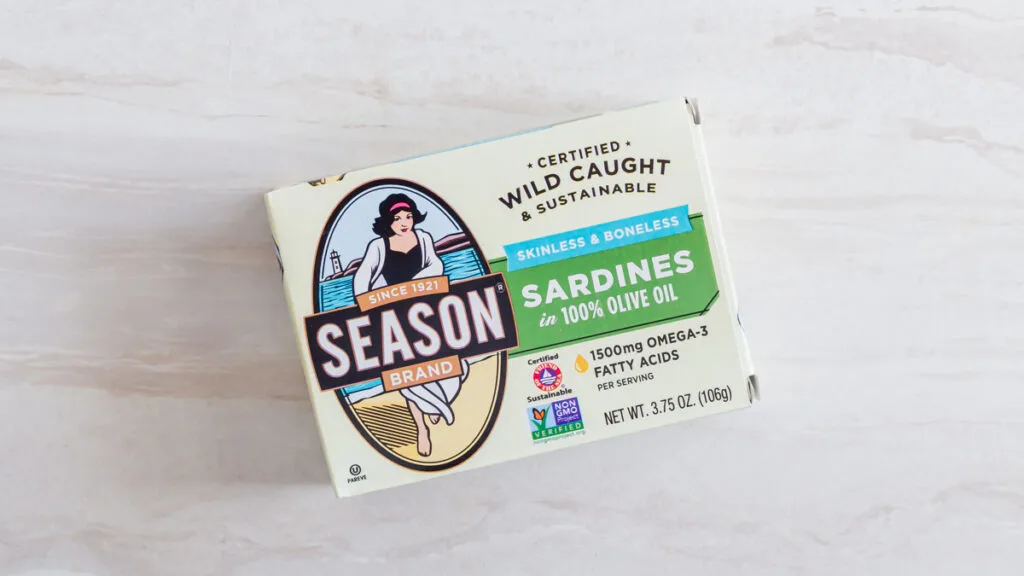
Image Source: whatcanmydogeat.com
Are Sardines Good for Dogs? The Nutritional Value Explained
Sardines are tiny, nutrient-rich fish that offer a wealth of benefits for dogs. Are sardines good for dogs? Absolutely! They are packed with essential nutrients that can contribute to your dog’s overall health and well-being.
Key Nutrients Found in Sardines
-
Omega-3 Fatty Acids: Sardines are an excellent source of omega-3 fatty acids, specifically EPA (eicosapentaenoic acid) and DHA (docosahexaenoic acid). These fatty acids are vital for:
- Brain health and cognitive function
- Reducing inflammation
- Supporting heart health
- Promoting healthy skin and coat
- Vitamin D: This vitamin is crucial for calcium absorption and bone health. Many dogs are deficient in vitamin D, making sardines a valuable source.
- Vitamin B12: Important for nerve function and cell growth.
- Calcium: Sardines contain edible bones, which are a great source of calcium, essential for strong bones and teeth.
- Protein: High-quality protein is essential for building and repairing tissues.
- Coenzyme Q10 (CoQ10): An antioxidant that supports heart health and energy production.
- Selenium: An essential mineral that helps protect against cell damage.
Health Benefits of Sardines for Dogs: A Detailed Look
The nutritional powerhouse that sardines represent translates into a multitude of health advantages for your furry friend. Let’s delve deeper into the health benefits of sardines for dogs:
- Improved Cognitive Function: The omega-3 fatty acids, particularly DHA, are crucial for brain health. They can improve cognitive function in puppies and help maintain cognitive abilities in older dogs, potentially slowing down age-related cognitive decline.
- Reduced Inflammation: Omega-3s possess anti-inflammatory properties. This can be beneficial for dogs with arthritis, allergies, or inflammatory bowel disease (IBD). The omega 3 for dogs found in sardines can help alleviate joint pain and improve mobility.
- Enhanced Heart Health: Sardines contain omega-3 fatty acids and CoQ10, both of which contribute to cardiovascular health. They can help lower blood pressure, reduce the risk of arrhythmias, and support overall heart function.
- Healthier Skin and Coat: Omega-3 fatty acids promote healthy skin and a shiny coat. They can help reduce dryness, itching, and inflammation associated with allergies.
- Stronger Bones and Teeth: The calcium and vitamin D content in sardines contribute to bone health and strength. This is particularly important for growing puppies and senior dogs.
- Boosted Immune System: The vitamins and minerals in sardines support a healthy immune system, helping your dog fight off infections and illnesses.
Canines and Sardines: Safety Considerations
While sardines offer numerous benefits, it’s crucial to feed them to your dog safely.
Sardines Packed in Olive Oil: What to Watch Out For
Sardines in oil for dogs can be beneficial, but the type of oil matters. Olive oil is generally safe for dogs in moderation.
- Olive Oil Benefits for Dogs: Olive oil contains monounsaturated fats, which are considered healthy fats. It can contribute to heart health and skin health. It can also act as a mild laxative, which can help with constipation.
-
Potential Issues: The main concern with sardines packed in olive oil is the added fat content. Too much fat can lead to:
- Weight gain: Excessive calorie intake can cause obesity, which can lead to other health problems.
- Pancreatitis: A sudden increase in dietary fat can trigger pancreatitis, a serious inflammation of the pancreas.
- Digestive upset: Some dogs may experience diarrhea or vomiting if they consume too much fat.
- Sodium content: check for added sodium.
Other Oils to Avoid
While olive oil is a relatively safe option, other oils commonly used to pack sardines can be harmful to dogs. Avoid sardines packed in:
- Vegetable oil: Often contains unhealthy omega-6 fatty acids and can be highly processed.
- Soybean oil: Similar to vegetable oil, it can be high in omega-6 fatty acids and potentially inflammatory.
- Sunflower oil: Also high in omega-6 fatty acids.
Alternatives to Sardines in Oil
If you’re concerned about the fat content of sardines in olive oil, consider these alternatives:
- Sardines in Water: These are a healthier option as they contain significantly less fat. Make sure they are unsalted or low in sodium.
- Fresh Sardines: If you can find fresh sardines, these are the best option. You can grill, bake, or poach them for your dog. Ensure all bones are removed to prevent choking.
- Plain Sardines: Sardines with no additives are also a good choice.
Feeding Dogs Sardines: Dosage and Frequency
Knowing how much and how often to feed your dog sardines is crucial for maximizing benefits and minimizing risks.
Recommended Dosage
The appropriate amount of sardines to feed your dog depends on their size and weight. Here’s a general guideline:
| Dog Size | Weight | Sardine Serving Size (Sardines in Olive Oil) | Sardine Serving Size (Sardines in Water) | Frequency |
|---|---|---|---|---|
| Toy | Up to 10 lbs | ¼ – ½ sardine | ½ – 1 sardine | 1-2 times per week |
| Small | 11-25 lbs | ½ – 1 sardine | 1-2 sardines | 1-3 times per week |
| Medium | 26-50 lbs | 1-2 sardines | 2-3 sardines | 2-4 times per week |
| Large | 51-75 lbs | 2-3 sardines | 3-4 sardines | 3-5 times per week |
| Giant | 76+ lbs | 3-4 sardines | 4-5 sardines | 3-5 times per week |
Important Considerations:
- Start slowly: Introduce sardines gradually to your dog’s diet to avoid digestive upset.
- Adjust based on individual needs: Some dogs may be more sensitive to fat than others. Monitor your dog’s stool and adjust the amount accordingly.
- Account for other dietary fat: If your dog’s food is already high in fat, reduce the amount of sardines you feed.
- Consult your veterinarian: If you have any concerns about feeding your dog sardines, consult your veterinarian for personalized advice.
Integrating Sardines into Your Dog’s Diet
There are several ways to incorporate sardines into your dog’s diet:
- As a Treat: Offer sardines as a healthy and delicious treat.
- Mixed with Dog Food: Add sardines to your dog’s regular food to boost its nutritional content.
- As a Training Reward: Use small pieces of sardines as a high-value training reward.
Dog Food Sardines: A Convenient Option?
Some commercial dog food sardines already incorporates sardines into their formulas. These can be a convenient way to provide your dog with the benefits of sardines. However, it’s important to:
- Check the Ingredients List: Ensure that the dog food contains a significant amount of sardines and that the other ingredients are high-quality.
- Consider the Fat Content: Be mindful of the overall fat content of the dog food, especially if your dog is prone to weight gain or pancreatitis.
Potential Risks and Precautions
While sardines are generally safe, there are potential risks to be aware of.
Mercury Levels
Sardines are small fish that are low on the food chain, which means they typically have lower mercury levels compared to larger fish like tuna or swordfish. However, it’s still important to be mindful of mercury exposure, especially if you’re feeding your dog sardines frequently.
Thiamine Deficiency
Sardines contain an enzyme called thiaminase, which can break down thiamine (vitamin B1) in the body. While this is generally not a concern for dogs who eat a balanced diet, excessive consumption of sardines could potentially lead to thiamine deficiency.
Allergies
Some dogs may be allergic to fish. If you notice any signs of an allergic reaction, such as itching, hives, swelling, or difficulty breathing, stop feeding your dog sardines and consult your veterinarian.
Salt Content
Canned sardines can be high in sodium. Look for sardines that are low in sodium or packed in water without added salt.
Bones
While the small bones in sardines are generally safe for dogs to eat, some owners prefer to remove them as a precaution, especially for small dogs or those prone to gulping their food.
Deciphering Labels: Choosing the Right Sardines
Navigating the canned fish aisle can be confusing. Here’s how to choose the best sardines for your dog:
- Check the Ingredients: Look for sardines with minimal ingredients. Ideally, the only ingredients should be sardines, water (or olive oil), and possibly salt.
- Read the Nutrition Label: Pay attention to the fat content, sodium content, and omega-3 fatty acid content.
- Choose Sardines in Water or Olive Oil: Avoid sardines packed in vegetable oil, soybean oil, or sunflower oil.
- Look for “Low Sodium” or “No Salt Added”: This is especially important if your dog has any health conditions that require a low-sodium diet.
- Consider Sustainability: Look for sardines that are sustainably sourced.
Fathoming the Long-Term Effects
The impact of regular sardine consumption on your dog’s health can be significant, but it’s essential to consider both the potential benefits and risks over the long term.
Positive Long-Term Effects
- Improved Joint Health: Consistent intake of omega-3 fatty acids can help reduce inflammation and alleviate joint pain associated with arthritis.
- Sustained Cognitive Function: Long-term consumption of DHA can support brain health and potentially slow down age-related cognitive decline.
- Enhanced Skin and Coat: Regular consumption of omega-3s can promote healthy skin and a shiny coat, reducing the risk of dryness and itching.
- Cardiovascular Support: The combination of omega-3s and CoQ10 can contribute to long-term heart health.
Potential Long-Term Risks
- Mercury Accumulation: While sardines are generally low in mercury, long-term consumption could potentially lead to mercury accumulation in the body. It’s best to moderate sardine consumption.
- Thiamine Deficiency: While unlikely with a balanced diet, excessive long-term consumption of sardines could theoretically lead to thiamine deficiency.
- Weight Gain: Overfeeding sardines, especially those packed in oil, can contribute to weight gain over time.
- Pancreatitis (in susceptible dogs): Consistent high-fat intake could potentially trigger pancreatitis in dogs predisposed to the condition.
Frequently Asked Questions (FAQ)
- Can puppies eat sardines? Yes, puppies can eat sardines in moderation. Start with very small amounts and monitor for any signs of digestive upset.
- Can dogs with kidney disease eat sardines? Consult your veterinarian. Sardines can be high in phosphorus, which may be a concern for dogs with kidney disease.
- Can dogs with pancreatitis eat sardines? Sardines in oil should be avoided due to the high fat content. Sardines in water may be given in very small amounts, but only under the guidance of your veterinarian.
- Are sardines better than fish oil supplements? Sardines are a whole food source of omega-3 fatty acids, providing additional nutrients that fish oil supplements may lack. However, fish oil supplements can be a convenient alternative.
- How should I store leftover sardines? Store leftover sardines in an airtight container in the refrigerator and use them within 1-2 days.
- Can I freeze sardines for later use? Yes, you can freeze sardines in a freezer-safe container.
By following these guidelines, you can safely and effectively incorporate sardines into your dog’s diet and reap the many health benefits they offer. Remember to always consult with your veterinarian if you have any concerns about your dog’s diet or health.