
No, dogs should not eat Welch’s fruit snacks. While they might seem like a harmless treat, Welch’s fruit snacks often contain ingredients that can be harmful to dogs. This article will delve into why fruit snacks are generally not a good choice for your furry friend and explore safer, healthier alternatives.
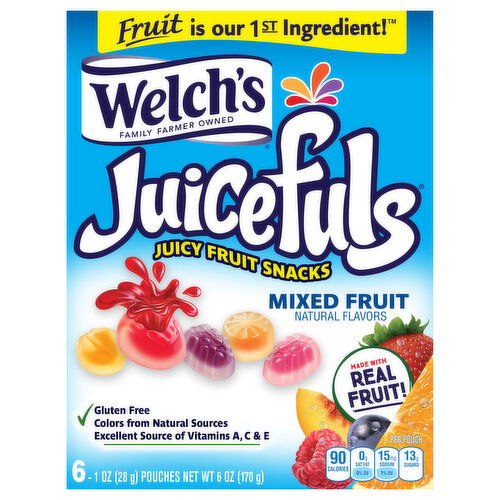
Image Source: images.cdn.retail.brookshires.com
Why Welch’s Fruit Snacks Are Problematic for Dogs
While a single fruit snack might not immediately send your dog to the vet, consistent or large quantities of fruit snacks can pose several health risks. Let’s break down the specific concerns.
High Sugar Content and Dog Health
Fruit snacks are packed with sugar. While dogs can process sugar, high amounts lead to:
- Weight gain: Extra sugar adds calories, leading to obesity.
- Dental problems: Sugar feeds bacteria in the mouth, causing cavities and gum disease.
- Diabetes: Over time, too much sugar can impact your dog’s ability to regulate blood sugar.
- Upset Stomach: Some dogs are very sensitive to sugar and can cause Diarrhea or vomiting.
Artificial Sweeteners & Dog Fruit Snack Safety
Some fruit snacks contain artificial sweeteners like xylitol, which is extremely toxic to dogs. Even small amounts of xylitol can cause:
- Rapid insulin release: This leads to a sudden and dangerous drop in blood sugar (hypoglycemia).
- Liver failure: In severe cases, xylitol can cause irreversible liver damage.
Always check the ingredients list. Even if a product isn’t explicitly labeled as “sugar-free,” it may still contain xylitol or other harmful artificial sweeteners. Even small amounts of sweeteners are dangerous for them.
Harmful Ingredients in Fruit Snacks for Dogs
Beyond sugar and artificial sweeteners, other ingredients commonly found in fruit snacks can cause harm:
- Artificial Colors and Flavors: These additives offer no nutritional value and can cause allergic reactions or digestive upset in some dogs.
- Preservatives: Some preservatives, like sulfites, can be toxic to dogs in large quantities.
- Corn Syrup: Similar to sugar, corn syrup contributes to weight gain and dental problems.
Can Dogs Digest Fruit Snacks?
Many dogs will have difficulty digesting fruit snacks. Their digestive systems are not designed to break down the processed ingredients effectively. This can result in:
- Diarrhea: Undigested sugars and fibers can lead to loose stools.
- Vomiting: The dog’s system may try to expel the unfamiliar or irritating ingredients.
- Gas and Bloating: Poor digestion can cause excessive gas production and discomfort.
Are Fruit Snacks Toxic to Dogs in General?
It depends on the ingredients. Dog fruit snack safety depends on the specific brand and formula. While the fruit content might seem appealing, the added sugars, artificial ingredients, and potential presence of xylitol make many fruit snacks a risky choice for dogs. It’s generally best to avoid them altogether.
What If My Dog Ate Welch’s Fruit Snacks?
The action you take depends on how many your dog ate and the ingredients.
- Small Quantity, No Xylitol: If your dog ate only a few fruit snacks and you are sure they didn’t contain xylitol, monitor them for any signs of digestive upset (vomiting, diarrhea, loss of appetite).
- Large Quantity or Unknown Ingredients: If your dog ate a significant amount of fruit snacks or you are unsure about the ingredients, contact your veterinarian or a pet poison control hotline immediately.
- Xylitol Ingestion: If you suspect your dog consumed fruit snacks containing xylitol, this is a medical emergency. Take your dog to the nearest veterinary clinic immediately. Time is critical.
Safer Alternatives to Fruit Snacks for Dogs: Dog Treats Fruit Snacks
Instead of taking the risks associated with human fruit snacks, focus on providing your dog with treats specifically designed for their needs. These treats are often healthier, safer, and more beneficial.
Natural Fruit Options
Some fresh fruits are safe and healthy snacks for dogs in moderation:
- Apples (slices, no seeds or core): Good source of fiber and vitamins.
- Bananas (slices): Rich in potassium and vitamins.
- Blueberries: Packed with antioxidants.
- Cantaloupe (cubes): Good source of vitamins A and C.
- Strawberries (slices): Another source of antioxidants and vitamins.
- Watermelon (cubes, seedless): Hydrating and refreshing.
Important Considerations for Fruits:
- Moderation: Even healthy fruits should be given in small quantities to avoid digestive upset due to natural sugars.
- Preparation: Remove seeds, pits, and cores, as these can be toxic or pose a choking hazard.
- Allergies: Introduce new fruits slowly and monitor for any allergic reactions.
Commercial Dog Treats: Healthier Choices
Many commercial dog treats offer a healthier alternative to fruit snacks:
- Single-Ingredient Treats: Look for treats made with a single protein source (e.g., beef liver, chicken breast) or vegetable (e.g., sweet potato).
- Grain-Free Options: If your dog has sensitivities, grain-free treats may be beneficial.
- Limited-Ingredient Treats: These treats contain a shorter list of ingredients, reducing the risk of allergic reactions.
What to Look For on the Label:
- Named Ingredients: “Chicken” is better than “poultry by-product.”
- Avoid Artificial Additives: Choose treats without artificial colors, flavors, or preservatives.
- Appropriate Size and Texture: Select treats that are appropriately sized for your dog’s breed and chewing habits.
Homemade Dog Treats
Making your own dog treats is a great way to control the ingredients and ensure your dog is getting a healthy snack.
Simple Recipes:
- Peanut Butter and Banana Bites: Mix mashed banana, peanut butter (xylitol-free), and oats. Bake until firm.
- Sweet Potato Chews: Slice sweet potatoes into thin strips and bake until chewy.
- Frozen Yogurt Treats: Mix plain yogurt with dog-friendly fruits or vegetables. Freeze in ice cube trays.
General Tips for Homemade Treats:
- Use Dog-Safe Ingredients: Always double-check that ingredients are safe for dogs.
- Avoid Added Sugar and Salt: Dogs don’t need added sugar or salt in their diets.
- Store Properly: Store homemade treats in an airtight container in the refrigerator or freezer.
Deciphering Fruit Snacks Ingredients Dogs
It’s important to know what you are reading when you are buying snacks for your dogs.
| Ingredient | Why It’s Harmful |
|---|---|
| Xylitol | Highly toxic to dogs; causes rapid blood sugar drop and liver failure. |
| High Sugar Content | Leads to weight gain, dental problems, diabetes. |
| Artificial Colors | Can cause allergic reactions or digestive upset. |
| Artificial Flavors | Offer no nutritional value and may cause sensitivities. |
| Preservatives | Some preservatives can be toxic in large quantities. |
| Corn Syrup | Contributes to weight gain and dental problems. |
Alternatives to Fruit Snacks for Dogs
| Snack | Benefits | Considerations |
|---|---|---|
| Apple Slices | Good source of fiber and vitamins. | Remove seeds and core. |
| Banana Slices | Rich in potassium and vitamins. | High in sugar, so give in moderation. |
| Blueberries | Packed with antioxidants. | Small size is easy for dogs to eat. |
| Carrot Sticks | Good source of vitamins and fiber; promotes dental health. | Choose organic to avoid pesticides. |
| Sweet Potato Chews | Nutritious and chewy. | Ensure they are cooked until soft enough to prevent choking. |
| Plain Yogurt (No Sugar) | Good source of probiotics and calcium. | Make sure it does not contain xylitol. |
| Commercial Dog Treats | Formulated for dog’s nutritional needs. | Read labels carefully and choose options with healthy ingredients. |
| Homemade Dog Treats | Control over ingredients; can customize to your dog’s needs. | Use dog-safe ingredients and store properly. |
FAQ: Welch’s Fruit Snacks and Dogs
Q: What is xylitol?
A: Xylitol is an artificial sweetener commonly found in sugar-free products. It is extremely toxic to dogs, causing a rapid release of insulin, leading to hypoglycemia and potential liver failure.
Q: Can I give my dog a small amount of fruit snacks as a treat?
A: It’s generally not recommended. Even small amounts of fruit snacks can be harmful due to the high sugar content, artificial additives, and potential presence of xylitol. Safer, healthier alternatives are available.
Q: Are fruit snacks safe for dogs if they don’t contain xylitol?
A: Even without xylitol, fruit snacks are not ideal for dogs due to their high sugar content, artificial colors, flavors, and preservatives. These ingredients can lead to weight gain, dental problems, digestive upset, and other health issues.
Q: What should I do if my dog ate a fruit snack with xylitol?
A: This is a medical emergency. Take your dog to the nearest veterinary clinic immediately. Xylitol toxicity can be fatal if not treated promptly.
Q: Can dogs eat fruit snacks in moderation?
A: While a single fruit snack might not cause immediate harm, regularly feeding your dog fruit snacks is not advisable. The cumulative effects of high sugar and artificial ingredients can negatively impact their health over time.
Q: Who is responsible if my dog gets sick from eating a fruit snack?
A: Ultimately, you, as the dog owner, are responsible for ensuring your dog’s safety. Always read ingredient labels carefully and avoid giving your dog foods that are known to be harmful or toxic.
Q: How can I tell if a fruit snack contains xylitol?
A: Always read the ingredient list carefully. Xylitol may also be listed as “birch sugar” or “wood sugar.” If you see any of these ingredients, do not give the product to your dog.
Q: What are some good homemade dog treat recipes?
A: Several simple and healthy homemade dog treat recipes are available online. Look for recipes that use dog-safe ingredients like oats, bananas, peanut butter (xylitol-free), sweet potatoes, and plain yogurt.
Q: Can dogs eat gummy bears?
A: No, gummy bears are similar to fruit snacks and should also be avoided for the same reasons: high sugar content, artificial ingredients, and potential presence of xylitol.
Q: Dog health fruit snacks: are there any brands specifically marketed as healthy?
A: Look for brands that clearly state on their packaging that they’re designed for dogs. Check the ingredient list to make sure you recognize everything. Avoid options with added sugars, artificial colors, or preservatives.
By being informed about the risks associated with fruit snacks and choosing safer, healthier alternatives, you can help ensure your dog lives a long and happy life.