
Yes, dogs can have basmati rice in moderation. Basmati rice is generally safe for dogs and can even offer some health benefits. However, there are important considerations for preparation, quantity, and potential risks. This article will explore everything you need to know about feeding your dog basmati rice.
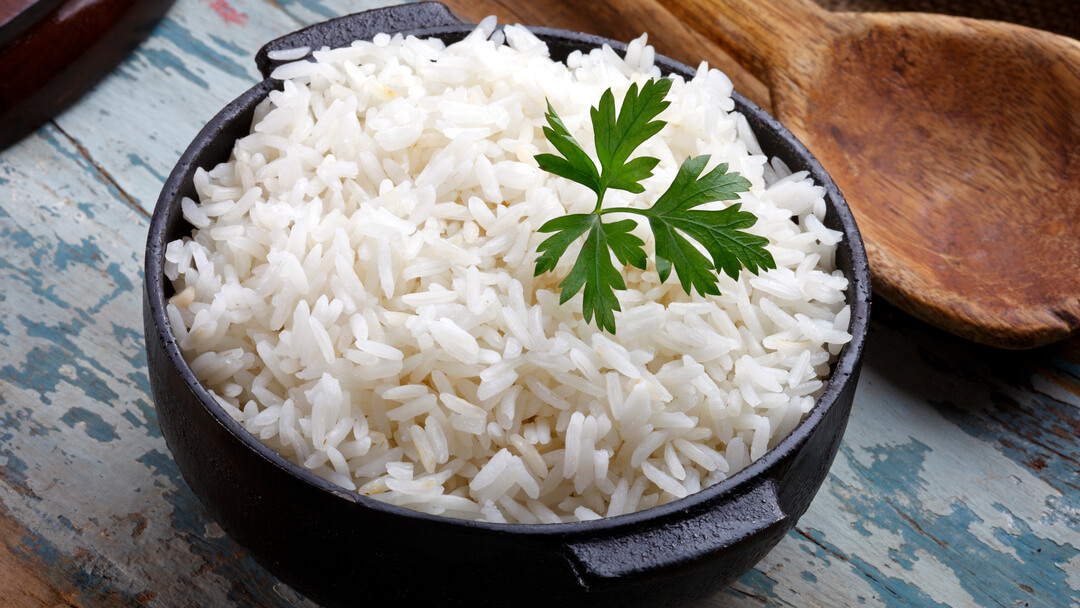
Image Source: www.purina.co.uk
What is Basmati Rice?
Basmati rice is a long-grain rice known for its fragrant aroma and delicate flavor. It’s a staple in many cuisines around the world, especially in Indian and South Asian dishes. Compared to other types of rice, basmati tends to cook up fluffy and separate, making it a palatable option for both humans and dogs.
Is Basmati Rice Safe for Dogs?
Generally, yes, basmati rice is safe for dogs. It’s a relatively bland food, making it easily digestible for many dogs, even those with sensitive stomachs. However, like any food, moderation is key.
Considerations for Safety:
- Cooking Method: Always cook basmati rice thoroughly before feeding it to your dog. Raw rice can be difficult to digest and may contain harmful bacteria.
- Additives: Avoid adding salt, spices, or sauces that can be toxic or upsetting to your dog’s stomach. Plain, cooked basmati rice is the best option.
- Allergies: While rare, some dogs may be allergic to rice. Watch for signs of an allergic reaction, such as itching, hives, vomiting, or diarrhea.
Benefits of Basmati Rice for Dogs
While not a nutritional powerhouse on its own, basmati rice offers several potential benefits when included as part of a balanced dog rice diet.
Easily Digestible Carbohydrate Source
Basmati rice is a good source of carbohydrates, which provide energy for dogs. Because it’s relatively bland and low in fiber, it’s easy for dogs to digest, even if they have a sensitive stomach. Rice for sensitive stomach dog is quite common.
Binding Agent for Diarrhea
Cooked basmati rice can act as a binding agent, helping to firm up loose stools in dogs experiencing diarrhea. A bland diet consisting of cooked basmati rice and boiled chicken is often recommended by veterinarians for dogs with upset stomachs.
Hypoallergenic Option
Basmati rice is often considered a hypoallergenic food, meaning it’s less likely to trigger allergic reactions than some other grains like wheat or corn. This makes it a suitable choice for dogs with food sensitivities or allergies.
Source of Some Nutrients
While not a complete source of all necessary nutrients, basmati rice does contain some vitamins and minerals, including:
- Manganese: Important for bone health, metabolism, and enzyme function.
- Magnesium: Supports muscle and nerve function, as well as energy production.
- Selenium: An antioxidant that helps protect cells from damage.
- B Vitamins: Including niacin and thiamin, which play a role in energy metabolism.
Nutritional Value of Basmati Rice (per 1 cup, cooked):
| Nutrient | Amount |
|---|---|
| Calories | 205 |
| Protein | 4.2 g |
| Fat | 0.4 g |
| Carbohydrates | 45.6 g |
| Fiber | 0.6 g |
| Manganese | 0.7 mg |
| Magnesium | 19 mg |
| Selenium | 13 mcg |
Risks of Feeding Dogs Basmati Rice
While generally safe, there are potential risks associated with feeding dogs basmati rice:
Arsenic Content
Rice can absorb arsenic from the soil. Arsenic is a toxic element that can be harmful to dogs in large amounts. While basmati rice tends to have lower arsenic levels than some other types of rice, it’s still important to be mindful of this risk.
- Mitigation: Rinse the rice thoroughly before cooking to help remove some of the arsenic. Also, ensure that rice isn’t the only component of your dog’s diet.
Nutritional Imbalance
Basmati rice is not a complete and balanced food for dogs. Feeding your dog only basmati rice can lead to nutritional deficiencies over time. It should be offered as a supplement to their regular dog food, not as a replacement.
Weight Gain
Because basmati rice is a source of carbohydrates, overfeeding can contribute to weight gain. Obesity is a common problem in dogs and can lead to various health issues.
Potential for Allergies
While basmati rice is generally considered hypoallergenic, some dogs may still be allergic to it. Watch for signs of an allergic reaction after feeding your dog basmati rice for the first time.
Preparing Basmati Rice for Dogs
Proper preparation is crucial to ensure that basmati rice is safe and beneficial for your dog.
Cooking Instructions:
- Rinse the Rice: Rinse the basmati rice thoroughly under cold water to remove excess starch and potentially reduce arsenic levels.
- Cook Plain: Cook the rice in plain water, following the package instructions. Do not add salt, spices, oil, or any other seasonings.
- Ensure it’s Fully Cooked: Make sure the rice is cooked until it’s soft and easily digestible.
- Cool Before Serving: Allow the rice to cool down completely before feeding it to your dog. Hot food can burn their mouth.
Portion Control:
The amount of basmati rice you feed your dog should depend on their size, age, activity level, and overall diet. As a general guideline:
- Small Dogs (under 20 lbs): 1/4 cup to 1/2 cup of cooked rice per day.
- Medium Dogs (20-50 lbs): 1/2 cup to 1 cup of cooked rice per day.
- Large Dogs (over 50 lbs): 1 cup to 2 cups of cooked rice per day.
These are just guidelines, and you may need to adjust the amount based on your dog’s individual needs. It’s always best to consult with your veterinarian for personalized recommendations.
Integrating Basmati Rice into Your Dog’s Diet:
- Mix with Dog Food: Combine the cooked basmati rice with your dog’s regular dog food.
- Bland Diet: Use it as part of a bland diet for dogs with upset stomachs (along with boiled chicken or lean ground beef).
- Treat: Offer a small amount of cooked rice as an occasional treat.
Basmati Rice vs. White Rice for Dogs
Both basmati rice and white rice are generally safe for dogs and can be easily digested. However, there are some key differences to consider:
| Feature | Basmati Rice | White Rice |
|---|---|---|
| Grain Length | Long-grain | Medium-grain or Short-grain |
| Aroma | Fragrant | Mild |
| Flavor | Delicate | Bland |
| Nutritional Value | Slightly higher in some vitamins and minerals | Slightly lower in some vitamins and minerals |
| Arsenic Levels | Generally lower | Can vary depending on the source |
| Glycemic Index | Lower to Medium | Medium to High |
In most cases, the differences between basmati rice and white rice are minimal, and either can be a suitable option for dogs. However, some veterinarians recommend basmati rice over white rice due to its potentially lower arsenic levels and slightly better nutritional profile.
Dog Food with Rice
Many commercial dog foods contain rice as a primary ingredient. Dog food with rice is common because rice is an easily digestible carbohydrate source that’s less likely to cause allergic reactions than other grains like wheat or corn.
Considerations When Choosing Dog Food with Rice:
- Ingredient List: Look for dog foods where rice is listed as one of the first few ingredients, indicating that it’s a significant component of the food.
- Protein Source: Ensure that the dog food also contains a high-quality protein source, such as chicken, beef, or fish.
- Other Nutrients: Choose a dog food that provides a balanced blend of vitamins, minerals, and other essential nutrients.
- Veterinarian Recommendation: Consult with your veterinarian to determine the best dog food for your dog’s individual needs.
Consulting Your Veterinarian
Before making any significant changes to your dog’s diet, it’s always best to consult with your veterinarian. They can assess your dog’s individual needs and provide personalized recommendations based on their health history, breed, age, and activity level. Your veterinarian can also help you determine the appropriate amount of basmati rice to feed your dog and address any concerns about potential allergies or sensitivities.
FAQ: Basmati Rice for Dogs
Here are some frequently asked questions about feeding dogs basmati rice:
Can I give my puppy basmati rice?
Yes, you can give your puppy basmati rice in small quantities. However, puppies have specific nutritional needs for growth and development, so rice should only be a small part of their diet. Always consult with your veterinarian about the best diet for your puppy.
Is brown basmati rice better for dogs than white basmati rice?
Brown basmati rice has more fiber and nutrients than white basmati rice. However, it can also be more difficult for some dogs to digest. If your dog has a sensitive stomach, white basmati rice may be a better option.
Can basmati rice help with my dog’s diarrhea?
Yes, cooked basmati rice can help to firm up loose stools in dogs experiencing diarrhea. It’s often recommended as part of a bland diet along with boiled chicken or lean ground beef.
My dog is allergic to wheat. Can he eat basmati rice?
Basmati rice is generally considered a hypoallergenic food and is often a good option for dogs with wheat allergies. However, some dogs may still be allergic to rice. Watch for signs of an allergic reaction after feeding your dog basmati rice for the first time.
Can I feed my dog rice every day?
While basmati rice is safe for dogs, it should not be the only component of their diet. Feeding your dog rice every day can lead to nutritional deficiencies. It should be offered as a supplement to their regular dog food, not as a replacement.
By taking these considerations into account, you can safely and effectively incorporate basmati rice into your dog’s diet and potentially reap the benefits of this easily digestible carbohydrate source. Remember to consult with your veterinarian for personalized recommendations based on your dog’s individual needs.