
Can dogs have raw chicken bones? Yes, raw chicken bones can be a nutritious and safe treat for dogs when properly prepared and supervised. However, it’s important to understand the potential benefits and risks involved before adding them to your dog’s diet. This comprehensive guide explores the world of feeding dogs raw chicken bones, covering everything from safety precautions to nutritional advantages.
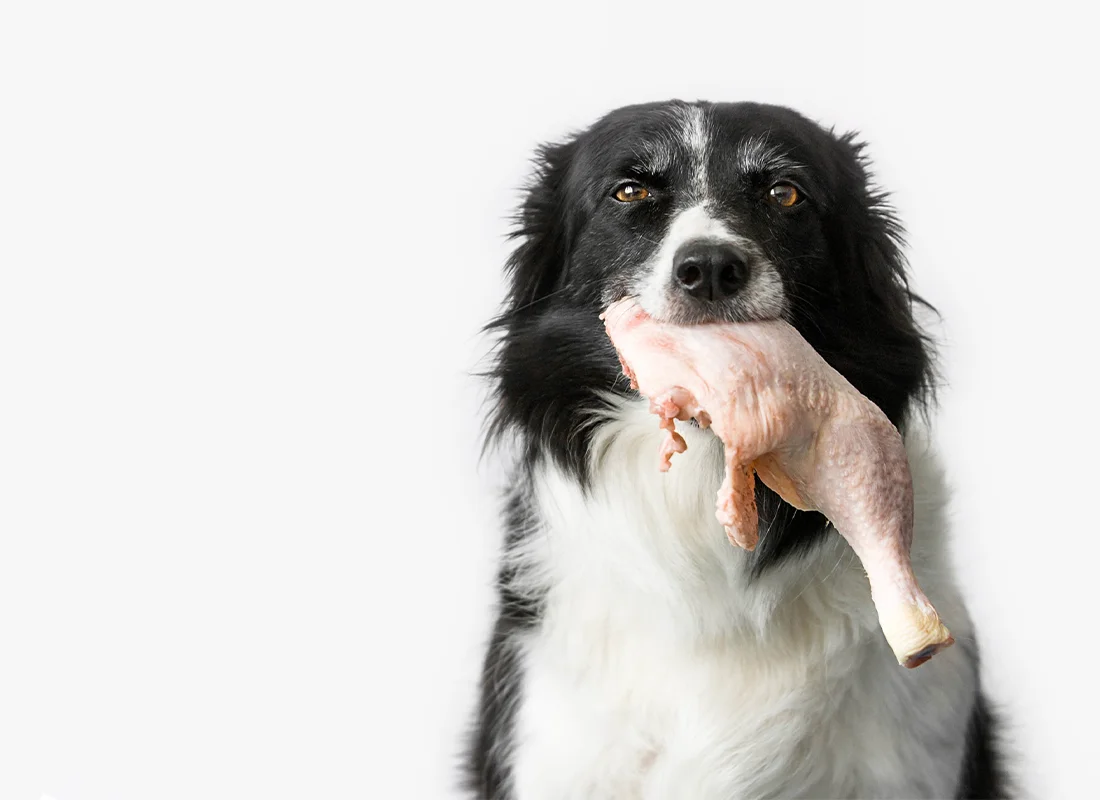
Image Source: boldbynature.com
Why Raw Chicken Bones Might Be Good for Dogs
Feeding dogs raw chicken bones can provide several advantages:
Nutritional Value of Raw Chicken Bones for Dogs
Raw chicken bones are packed with essential nutrients that can contribute to your dog’s overall health:
- Calcium: Vital for strong bones and teeth, nerve function, and muscle contraction.
- Phosphorus: Works with calcium to support bone health and energy production.
- Collagen: Supports joint health, skin elasticity, and healthy coat.
- Marrow: A source of healthy fats, vitamins, and minerals.
- Protein: Essential for building and repairing tissues, supporting the immune system, and providing energy.
Dental Health Perks of Raw Chicken Bones
Chewing on raw chicken bones offers natural dental benefits:
- Plaque and Tartar Removal: The abrasive action of chewing helps scrape away plaque and tartar buildup, promoting healthier gums and teeth.
- Jaw Exercise: Provides a stimulating workout for jaw muscles, contributing to overall oral health.
- Reduced Bad Breath: By removing plaque and bacteria, raw bones can help freshen your dog’s breath.
Mental Stimulation from Raw Chicken Bones
Chewing on raw chicken bones provides mental enrichment:
- Stress Relief: The act of chewing can be calming and help relieve stress or anxiety in dogs.
- Prevents Boredom: Keeps dogs entertained and occupied, reducing the likelihood of destructive behaviors.
- Natural Instinct: Satisfies a dog’s natural urge to chew and gnaw.
Are Raw Chicken Bones Safe for Dogs? Weighing the Risks
While raw chicken bones offer numerous benefits, it’s crucial to consider the potential risks and take appropriate precautions.
Potential Risks of Raw Chicken Bones for Dogs
- Bacterial Contamination: Raw chicken can carry bacteria like Salmonella or Campylobacter, which can potentially cause illness in dogs and humans handling the bones.
- Choking Hazard: Small bone fragments could pose a choking risk, especially for dogs that tend to gulp their food.
- Digestive Upset: Some dogs may experience digestive upset, such as vomiting or diarrhea, when first introduced to raw bones.
- Tooth Damage: Aggressive chewers could potentially fracture a tooth while chewing on a hard bone.
- Intestinal Blockage: In rare cases, large bone fragments could cause an intestinal blockage, requiring veterinary intervention.
- Perforation: Splinters from bones can potentially perforate the digestive tract.
Safeguards for Feeding Dogs Raw Chicken Bones
Mitigating the risks requires careful preparation and supervision:
- Source High-Quality Bones: Obtain raw chicken bones from a reputable source to minimize the risk of contamination.
- Freeze Bones Before Feeding: Freezing bones for a few days can help kill some bacteria.
- Choose the Right Size: Select bones that are appropriately sized for your dog to prevent choking.
- Supervise Chewing: Always supervise your dog while they are chewing on a raw bone.
- Limit Chewing Time: Allow your dog to chew on a bone for only 10-15 minutes at a time.
- Dispose of Bones Properly: Discard any remaining bone fragments after your dog has finished chewing.
- Introduce Slowly: Introduce raw bones gradually to your dog’s diet to minimize digestive upset.
- Avoid Cooked Bones: Never give your dog cooked bones, as they are more likely to splinter and cause injury.
- Know Your Dog: Some dogs have pre-existing conditions that make feeding raw bones more risky.
- Monitor Stool: Monitor your dog’s stool for any signs of digestive upset. Chalky white stool can indicate too much bone consumption.
How to Safely Include Raw Chicken Bones in Your Dog’s Diet
If you’re considering adding raw chicken bones to your dog’s diet, follow these steps:
Selecting the Right Types of Raw Bones for Dogs
Choosing the appropriate type of raw chicken bone is crucial:
- Chicken Necks: A good option for smaller dogs, as they are relatively soft and easy to chew.
- Chicken Wings: Another suitable choice for smaller dogs.
- Chicken Thighs: Larger and meatier, providing a longer chewing experience for medium-sized dogs.
- Chicken Drumsticks: Suitable for medium to large-sized dogs.
- Chicken Carcasses: A good source of calcium and other nutrients, but may be better suited for experienced raw feeders.
- Avoid Weight-Bearing Bones: Avoid large weight-bearing bones, such as femur bones, as they are very hard and more likely to cause tooth fractures.
Preparing Raw Chicken Bones for Dogs: Best Practices
Proper preparation is essential to minimize risks:
- Thaw Bones: If the bones are frozen, thaw them in the refrigerator before feeding.
- Rinse Bones: Rinse the bones thoroughly under cold water.
- Trim Excess Fat: Trim off any excess fat from the bones.
- Consider Grinding: For some dogs, grinding the bones into a bone meal is a great way to reduce the risk of choking and digestive upset.
- Sanitize: After handling raw bones, always sanitize your hands and any surfaces that came into contact with the bones.
Dog Diet Raw Chicken Bones: Quantity and Frequency
The appropriate amount and frequency of feeding raw chicken bones will depend on your dog’s size, age, and activity level:
- Start Small: Begin with small portions and gradually increase the amount as your dog adjusts.
- Supplement, Not Replace: Raw bones should be offered as a supplement to your dog’s regular diet, not as a replacement.
- Balance: Ensure your dog’s diet is balanced with other essential nutrients.
- Monitor Weight: Monitor your dog’s weight and adjust the amount of raw bones accordingly.
- Frequency: A few times a week is generally sufficient for most dogs.
Raw Chicken Bones Digestion in Dogs: What to Expect
Fathoming how dogs digest raw chicken bones can ease concerns:
The Digestive Process
- Stomach Acid: Dogs have highly acidic stomach acid that helps break down bones and kill bacteria.
- Enzymes: Digestive enzymes aid in the breakdown of proteins and fats in the bones.
- Bone Meal: Bones are broken down into bone meal in the stomach.
- Elimination: Undigested bone fragments are eliminated in the stool.
Signs of Proper Digestion
- Normal Stool: Well-formed stool that is not too hard or too soft.
- No Vomiting or Diarrhea: Absence of digestive upset.
- Healthy Appetite: Continued interest in food.
Signs of Indigestion
- Vomiting: Throwing up bone fragments or undigested food.
- Diarrhea: Loose or watery stool.
- Constipation: Difficulty passing stool.
- Lethargy: Lack of energy.
- Loss of Appetite: Reduced interest in food.
- Abdominal Pain: Sensitivity or discomfort in the abdomen.
- Chalky White Stool: Indicates too much bone consumption.
If you observe any signs of indigestion, stop feeding raw bones and consult your veterinarian.
Alternatives to Raw Chicken Bones
If you’re uncomfortable with feeding raw chicken bones, consider these alternatives:
- Dental Chews: Many commercially available dental chews can help promote dental health.
- Edible Bones: Some edible bones are made from digestible ingredients and are a safer option than raw bones.
- Raw Food Diet: Consider switching your dog to a complete and balanced raw food diet that includes ground bone.
- Bone Broth: Bone broth is a nutritious and easily digestible alternative that provides many of the same benefits as raw bones.
Expert Opinions on Raw Chicken Bones for Dogs
Veterinarians and canine nutritionists have varying opinions on feeding raw chicken bones to dogs. Some advocate for it, citing the nutritional and dental benefits, while others express concerns about the potential risks. It’s important to consult with your veterinarian or a qualified canine nutritionist to determine if raw chicken bones are a suitable option for your dog.
Conclusion
Feeding raw chicken bones to dogs can be a safe and beneficial practice when done correctly. By understanding the potential benefits and risks, selecting appropriate bones, preparing them properly, and supervising your dog during chewing, you can help promote their dental health, provide mental stimulation, and supplement their diet with essential nutrients. Always consult with your veterinarian before making any changes to your dog’s diet.
Frequently Asked Questions (FAQ)
Q: Can puppies have raw chicken bones?
A: Puppies can have raw chicken bones, but it’s important to choose bones that are appropriately sized and easy to chew. Chicken necks or wings are often good options for puppies. Supervise puppies closely while they are chewing on bones to prevent choking. Because puppies are still developing, it is especially important to consult with your vet before incorporating raw bones.
Q: What is the best way to store raw chicken bones?
A: Raw chicken bones should be stored in the freezer until you are ready to feed them to your dog. Thaw the bones in the refrigerator before feeding.
Q: Can I feed my dog raw chicken bones every day?
A: Feeding raw chicken bones every day is generally not recommended. A few times a week is usually sufficient. Monitor your dog’s weight and stool consistency and adjust the frequency accordingly.
Q: My dog swallowed a large piece of raw chicken bone. What should I do?
A: If your dog swallowed a large piece of raw chicken bone and is showing signs of distress, such as vomiting, gagging, or abdominal pain, contact your veterinarian immediately.
Q: Can dogs digest raw chicken bones?
A: Yes, dogs can digest raw chicken bones. They have strong stomach acid and digestive enzymes that help break down the bones.
Q: What if my dog has loose stool after eating raw chicken bones?
A: Loose stool can be a sign of digestive upset. Reduce the amount of raw bones you are feeding and consult with your veterinarian if the diarrhea persists.
Q: Are raw chicken bones a complete and balanced diet for dogs?
A: No, raw chicken bones are not a complete and balanced diet for dogs. They should be offered as a supplement to your dog’s regular diet.
Q: Can raw chicken bones transmit diseases to humans?
A: Raw chicken can carry bacteria that can potentially cause illness in humans. Always wash your hands thoroughly after handling raw bones.
Q: What are the benefits of feeding dogs raw chicken bones?
A: The benefits of feeding dogs raw chicken bones include improved dental health, mental stimulation, and a source of essential nutrients.
Q: Are there any dogs who should not eat raw chicken bones?
A: Dogs with certain health conditions, such as pancreatitis or a history of intestinal blockages, should not eat raw chicken bones. Consult with your veterinarian to determine if raw bones are appropriate for your dog.