
Can I leave my dog overnight alone? The answer is: It depends. Several factors, including your dog’s age, temperament, health, and how well-prepared you are, will determine if leaving dog alone overnight is safe and responsible. This guide will explore these factors, helping you make an informed decision about how long dogs can be left alone and preparing dog for alone time.
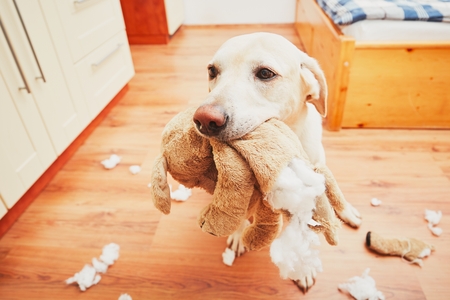
Image Source: www.dtailsgrooming.net
Gauging Your Dog’s Readiness for Solitude
Before even considering dog home alone overnight, it’s vital to honestly assess your dog’s ability to cope with being alone. A young, anxious, or unhealthy dog will have different needs than a mature, confident, and healthy one.
Age and Life Stage
-
Puppies: Puppy home alone overnight is generally not recommended. Puppies need frequent potty breaks (every 2-4 hours), regular feeding, and lots of supervision to prevent accidents and destructive behaviors. A puppy under six months should ideally never be left alone for more than 4 hours at a time.
-
Adult Dogs: Most adult dogs (over one year old) can handle being alone for a reasonable amount of time, typically 6-8 hours during the day. Leaving dog alone duration overnight requires careful consideration of their bladder control and mental well-being.
-
Senior Dogs: Older dogs may have health issues like arthritis or incontinence that make being alone overnight uncomfortable or unsafe. They may also experience cognitive decline, leading to increased anxiety or confusion.
Temperament and Personality
-
Independent Dogs: Some dogs are naturally more independent and content with their own company. These dogs are generally better suited for being left alone overnight.
-
Anxious Dogs: Dogs prone to dog separation anxiety overnight may exhibit destructive behaviors, excessive barking, or self-harm when left alone. These dogs need extra preparation and possibly professional help before being left alone for extended periods.
Health Considerations
-
Medical Conditions: Dogs with medical conditions requiring regular medication or monitoring should not be left alone overnight.
-
Physical Limitations: Dogs with mobility issues may struggle to reach food, water, or a designated potty area if left alone overnight.
Essential Preparations for a Safe Overnight Absence
If you’ve determined that your dog is a suitable candidate for being left alone overnight, thorough preparation is crucial. Failing to prepare can lead to accidents, anxiety, and property damage.
Creating a Safe and Comfortable Environment
- Secure the Area: Remove any hazards your dog might encounter, such as electrical cords, medications, cleaning supplies, and small objects they could swallow.
- Provide Comfortable Bedding: Ensure your dog has a comfortable bed or resting area with blankets and familiar toys.
- Maintain a Comfortable Temperature: Regulate the temperature in your home to a comfortable level, considering the season and your dog’s breed.
- Adequate Ventilation: Make sure there is sufficient ventilation.
Food and Water
- Sufficient Food and Fresh Water: Provide enough food and fresh water to last the entire duration of your absence. Consider using a slow feeder or puzzle toy to make mealtime more engaging and prevent bloat.
- Multiple Water Sources: It’s always a good idea to provide multiple water bowls in case one gets knocked over.
Potty Breaks
- Pre-Departure Potty Break: Take your dog for a long walk and potty break right before you leave.
- Designated Potty Area: If possible, provide access to a designated potty area, such as a doggy door leading to a fenced yard.
Entertainment and Enrichment
- Toys and Chew Items: Provide a variety of toys and chew items to keep your dog entertained and prevent boredom. Rotate toys regularly to maintain interest.
- Puzzle Toys: Puzzle toys that dispense treats can provide mental stimulation and keep your dog occupied for extended periods.
- Background Noise: Leaving on a TV or radio at a low volume can help mask outside noises and create a more comforting environment.
Addressing Dog Separation Anxiety Overnight
If your dog suffers from separation anxiety, leaving dog alone duration can be challenging. Here’s how to mitigate anxiety:
- Gradual Desensitization: Gradually increase the amount of time your dog spends alone, starting with short intervals and gradually extending them.
- Counter-Conditioning: Associate being alone with positive experiences, such as giving your dog a special treat or toy only when you leave.
- Professional Help: Consult a veterinarian or certified dog trainer for guidance on managing separation anxiety. They may recommend medication or behavior modification techniques.
Checklist Before You Leave
| Item | Description |
|---|---|
| Safety Check | Remove hazards (cords, chemicals, etc.), secure windows and doors. |
| Comfortable Bedding | Provide a comfortable bed or resting area with blankets and familiar toys. |
| Food and Water | Ensure ample food and fresh water are available in clean bowls. |
| Potty Break | Take your dog for a long walk and potty break before leaving. |
| Entertainment | Provide a variety of toys, chew items, and puzzle toys. |
| Background Noise | Leave on a TV or radio at a low volume. |
| Temperature Control | Set the thermostat to a comfortable temperature. |
| Emergency Contacts | Leave contact information for a trusted friend or neighbor who can check on your dog if needed. |
| Medication (if needed) | If your dog requires medication, administer it before leaving or arrange for someone to administer it while you’re gone. |
Alternatives to Leaving Your Dog Alone Overnight
If you’re not comfortable leaving dog alone overnight, several alternatives can provide your dog with care and companionship.
Dog Sitters
- Professional Dog Sitters: Hiring a professional dog sitter can provide your dog with personalized care in the comfort of your own home. Look for experienced, bonded, and insured sitters with positive reviews.
- Friends and Family: Enlisting the help of a trusted friend or family member can be a more affordable option. Make sure they are familiar with your dog’s routine and needs.
Dog Boarding
- Boarding Kennels: Boarding kennels offer supervised care and playtime for dogs in a kennel environment. Research kennels carefully to ensure they provide a safe, clean, and stimulating environment.
- Doggy Daycares with Overnight Boarding: Some doggy daycares offer overnight boarding services, providing a more social and interactive experience for your dog.
Boarding vs Staying Home: A Comparison
| Feature | Boarding | Staying Home with Sitter |
|---|---|---|
| Environment | Unfamiliar environment, potentially stressful. | Familiar environment, less stressful. |
| Socialization | Opportunity for socialization with other dogs (depending on the facility). | Limited socialization, primarily with the sitter. |
| Personalization | Less personalized care, may follow a strict schedule. | More personalized care, can follow your dog’s specific routine. |
| Cost | Varies depending on the facility, generally more expensive than a friend/family member. | Varies depending on the sitter, may be more expensive than boarding but can be similar. |
| Disease Risk | Higher risk of exposure to illness due to close proximity with other dogs. | Lower risk of exposure to illness. |
| Attention | Can get less individual attention, especially in a busy kennel. | Gets dedicated attention from the sitter. |
Dog Care When Traveling
When planning a trip, carefully consider your dog’s needs and choose the best care option for them. If you are traveling by car, plan for frequent stops for potty breaks, exercise, and water. If you are flying, research airline regulations and ensure your dog has a comfortable and safe travel crate. Some hotels are also pet-friendly, so you can bring your furry friend along.
Legal and Ethical Considerations
Before leaving dog alone overnight, be aware of any local ordinances or regulations regarding animal welfare. Leaving a dog alone for excessive periods without proper care can be considered neglect and may result in fines or legal action. Ethically, it is your responsibility to ensure your dog’s safety, health, and well-being, even when you are not present.
How Long Dogs Can Be Left Alone: A Recap
While the exact leaving dog alone duration varies, here are some general guidelines:
- Puppies: No more than 2-4 hours.
- Adult Dogs: 6-8 hours is generally acceptable, but shorter periods are preferable.
- Senior Dogs: Depending on health and mobility, potentially less than 6 hours.
It’s essential to monitor your dog for signs of stress or anxiety when you return home. If you notice any concerning behaviors, consult with a veterinarian or dog trainer.
A Final Thought
Safe to leave dog alone is a decision that needs careful thought. Always prioritize your dog’s well-being and choose the option that best meets their individual needs. By following the guidelines in this guide, you can ensure your dog is safe, comfortable, and happy, even when you’re not around.
Frequently Asked Questions (FAQ)
Q: What is the longest I can leave my dog alone?
A: For most adult dogs, 6-8 hours is generally considered the maximum safe duration. However, it depends on the dog’s age, health, temperament, and how well-prepared you are. Puppies and senior dogs require more frequent attention and shorter alone times.
Q: Can I leave my dog alone for 24 hours?
A: Leaving a dog alone for 24 hours is generally not recommended unless absolutely necessary. If you must leave your dog for this long, ensure they have ample food, water, a safe and comfortable environment, and arrange for someone to check on them at least once to provide a potty break and some human interaction.
Q: What are the signs of dog separation anxiety?
A: Signs of separation anxiety include excessive barking, howling, chewing, digging, pacing, urination or defecation indoors, and attempts to escape.
Q: How can I tell if my dog is bored when left alone?
A: Signs of boredom include destructive behaviors, excessive licking or chewing, and restlessness when you return home.
Q: Is it better to leave the TV on or off when leaving my dog alone?
A: Some dogs find background noise comforting, while others are not affected by it. Experiment with leaving the TV or radio on at a low volume to see if it helps your dog relax.
Q: What are some dog sitter alternatives?
A: Dog sitter alternatives include boarding kennels, doggy daycares with overnight boarding, and enlisting the help of friends or family members.
Q: Where can I find a reliable dog sitter?
A: You can find reliable dog sitters through online platforms like Rover or Care.com, or by asking for referrals from your veterinarian, friends, or neighbors.
Q: Is it cruel to leave a dog alone?
A: Leaving a dog alone for reasonable periods with proper preparation is not inherently cruel. However, leaving a dog alone for excessive periods without adequate care and attention can be considered neglectful and harmful. It’s vital to understand your dog’s needs and provide them with a safe, comfortable, and stimulating environment, whether you’re present or not.
By carefully considering these factors and taking the necessary precautions, you can make an informed decision about whether dog home alone overnight is right for your furry friend. Remember, your dog’s well-being should always be your top priority.