
How do you stop dogs from barking at night? You can stop dogs from barking at night by identifying the cause of the barking, addressing any underlying medical issues, providing sufficient exercise and mental stimulation during the day, creating a comfortable and safe sleep environment, and using training techniques like positive reinforcement or desensitization. Let’s explore various dog barking at night solutions and nighttime dog barking causes to help you and your furry friend get a good night’s sleep.
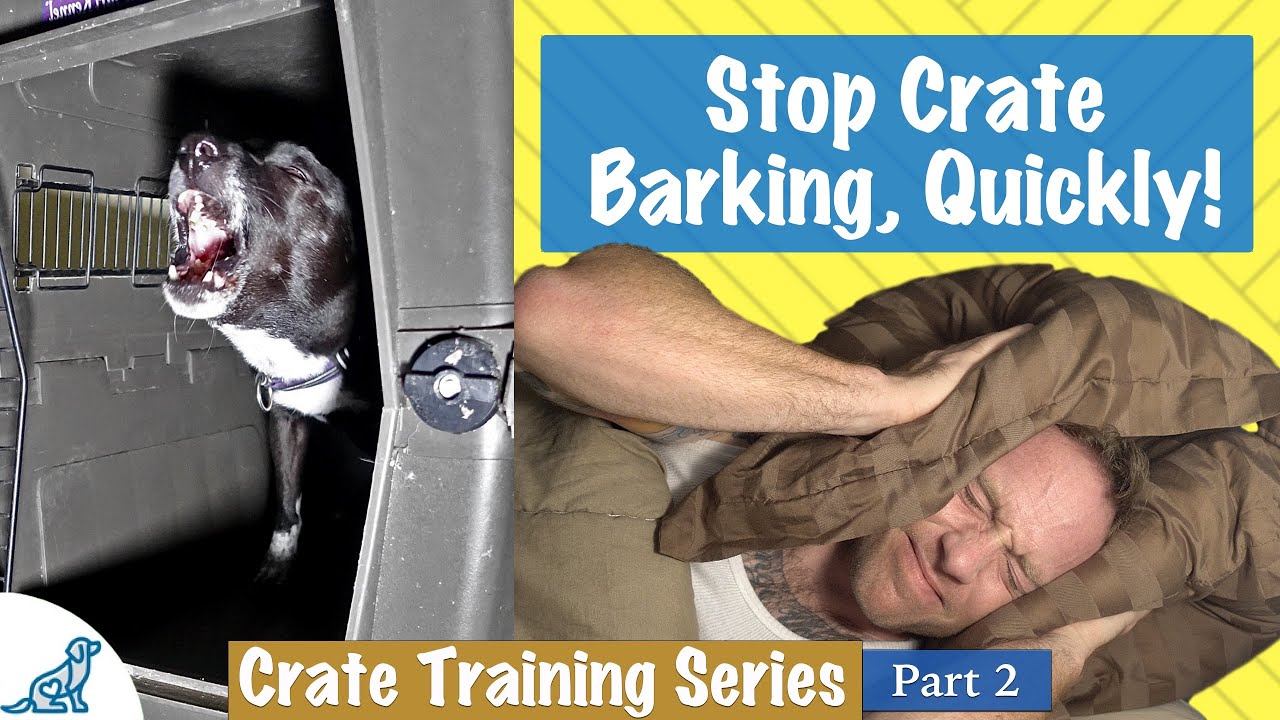
Image Source: i.ytimg.com
Decoding Why Your Dog Barks at Night
Nocturnal dog barking remedies start with figuring out why your dog is barking in the first place. There are many potential reasons, and interpreting dog barking at night can feel like solving a mystery. Here are some common culprits:
Health Problems
Sometimes, barking is a sign that your dog isn’t feeling well.
- Pain: Arthritis, dental problems, or other sources of discomfort can lead to increased vocalization.
- Cognitive Dysfunction: Canine Cognitive Dysfunction (CCD), similar to Alzheimer’s in humans, can cause confusion, disorientation, and barking.
- Medical Conditions: Certain illnesses, such as bladder infections or kidney disease, might cause increased urination, leading to restlessness and barking at night.
Action: Schedule a vet visit to rule out any underlying health issues.
Anxiety and Fear
Dogs can experience anxiety for various reasons, and this anxiety can manifest as barking, especially when they’re alone or in the dark.
- Separation Anxiety: If your dog barks only when you’re not around, it could be separation anxiety.
- Fear of Noises: Loud noises like thunderstorms, fireworks, or even the rustling of leaves can trigger fear-based barking.
- General Anxiety: Some dogs are simply more anxious than others, leading to increased barking.
Action: Identify the source of anxiety and consider strategies to reduce stress, such as creating a safe space or using calming aids.
Territoriality
Dogs are naturally territorial, and they may bark to protect their home and family from perceived threats.
- Outside Noises: Sounds like other animals, people walking by, or cars driving past can trigger territorial barking.
- Perceived Intruders: Even harmless creatures like squirrels or cats can be seen as intruders by your dog.
Action: Manage your dog’s environment to minimize exposure to potential triggers.
Boredom and Lack of Stimulation
A bored dog is more likely to bark out of frustration and a need for attention.
- Lack of Exercise: Insufficient physical activity during the day can lead to pent-up energy and nighttime barking.
- Lack of Mental Stimulation: If your dog isn’t challenged mentally, they may bark out of boredom.
Action: Ensure your dog gets enough exercise and mental stimulation during the day.
Attention-Seeking
Sometimes, dogs bark simply to get your attention.
- Learned Behavior: If you’ve unintentionally rewarded your dog’s barking in the past (e.g., by giving them attention when they bark), they may continue to bark to get what they want.
Action: Avoid rewarding attention-seeking barking.
Prevent Dog Barking At Night: Practical Strategies
Once you’ve identified the likely cause of your dog’s barking, you can start implementing strategies to prevent dog barking at night.
Environmental Management
Creating a comfortable and secure environment is crucial.
- Safe Space: Provide your dog with a comfortable and safe place to sleep, such as a crate or bed, where they feel secure.
- White Noise: Use a white noise machine or fan to mask outside noises that might trigger barking.
- Blackout Curtains: Block out external stimuli like streetlights or passing cars with blackout curtains.
- Indoor Sleeping: Keep your dog indoors at night to reduce their exposure to potential triggers.
Training and Behavior Modification
Training can be incredibly effective in curbing nighttime barking.
- “Quiet” Command: Teach your dog a “quiet” command using positive reinforcement. Reward them when they stop barking on command.
- Desensitization and Counter-Conditioning: If your dog is barking due to fear or anxiety, gradually expose them to the trigger at a low intensity and reward them for remaining calm. Gradually increase the intensity of the trigger over time.
- Ignore Attention-Seeking Barking: If your dog is barking for attention, ignore the barking. Only give them attention when they are quiet.
- Professional Help: Consult with a certified professional dog trainer or behaviorist for personalized guidance and support.
Exercise and Mental Enrichment
A tired dog is a good dog, especially at night.
- Adequate Exercise: Ensure your dog gets plenty of physical activity during the day, such as walks, runs, or playtime.
- Mental Stimulation: Provide mental enrichment activities like puzzle toys, training sessions, or interactive games to keep your dog’s mind engaged.
- Evening Walk: A calming walk close to bedtime can help tire your dog out and reduce nighttime restlessness.
Addressing Anxiety
If anxiety is the root cause, consider these strategies:
- Anxiety Medication: Consult with your veterinarian about anti-anxiety medication or supplements.
- Pheromone Therapy: Use calming pheromone diffusers or collars, such as Adaptil, to reduce anxiety.
- Thundershirt: Consider using a Thundershirt, a pressure wrap that can help calm anxious dogs.
- Comfort Items: Provide your dog with comfort items like a favorite toy or blanket.
Dog Barking Deterrents Night: When to Consider Alternatives
While training and environmental management are the most effective long-term solutions, some dog barking deterrents night can be used as temporary measures.
- Citronella Collar: These collars release a spray of citronella when the dog barks. However, some dogs may find the spray unpleasant, and it’s not a solution for underlying issues.
- Ultrasonic Devices: These devices emit a high-pitched sound that is inaudible to humans but unpleasant to dogs. Their effectiveness varies, and some dogs may become desensitized to the sound over time.
- Anti-Bark Collars: These collars deliver a static correction when the dog barks. However, these should be used with caution and only under the guidance of a professional trainer, as they can cause fear and anxiety.
Important Note: Always prioritize humane training methods and address the underlying cause of the barking. Avoid using deterrents that could cause pain, fear, or distress.
Quiet Dog At Night Tips: Creating a Calming Bedtime Routine
Establishing a consistent bedtime routine can help your dog relax and prepare for sleep.
- Consistent Bedtime: Stick to a regular bedtime routine to help regulate your dog’s internal clock.
- Calming Activities: Engage in calming activities before bed, such as gentle massage or cuddling.
- Potty Break: Ensure your dog has a final potty break before bedtime.
- Limited Food and Water: Avoid giving your dog large amounts of food or water right before bed.
Excessive Dog Barking Night: When to Seek Professional Help
If you’ve tried various strategies and your dog is still barking excessively at night, it’s time to seek professional help.
- Veterinarian: Rule out any underlying medical conditions.
- Certified Professional Dog Trainer: A trainer can help you develop a customized training plan to address the barking behavior.
- Veterinary Behaviorist: A veterinary behaviorist is a veterinarian who specializes in animal behavior. They can diagnose and treat behavioral problems, including excessive barking.
Stop Dog Barking Neighbors: Communicating and Finding Solutions
If your dog’s barking is disturbing your neighbors, it’s important to address the issue promptly.
- Talk to Your Neighbors: Communicate with your neighbors about the problem and let them know you’re working on it.
- Consider Their Perspective: Be understanding of their concerns and try to find solutions that work for everyone.
- Offer Solutions: Suggest solutions like soundproofing or relocating your dog’s sleeping area.
- Mediation: If you’re unable to resolve the issue on your own, consider mediation with a neutral third party.
Comprehending the Impact of Sleep Deprivation on You and Your Dog
Sleep deprivation affects both you and your dog’s well-being. For you, it can lead to increased stress, irritability, and impaired cognitive function. For your dog, sleep deprivation can exacerbate anxiety and behavioral problems. Resolving the nighttime barking is essential for the health and happiness of everyone involved.
Table: Troubleshooting Nighttime Dog Barking
| Cause | Symptoms | Solutions |
|---|---|---|
| Medical Issues | Panting, restlessness, whimpering, change in appetite | Vet visit, medication, treatment for underlying condition |
| Anxiety | Pacing, trembling, destructive behavior, excessive licking | Safe space, calming aids, desensitization, anxiety medication |
| Territoriality | Barking at outside noises or movement | Block windows, white noise, bring dog indoors, limit exposure to triggers |
| Boredom | Destructive behavior, attention-seeking, pacing | Increased exercise, mental stimulation, puzzle toys, training sessions |
| Attention-Seeking | Barking when you’re present, stopping when you give attention | Ignore barking, only give attention when quiet, teach “quiet” command |
Frequently Asked Questions (FAQ)
Q: What is the first thing I should do if my dog starts barking at night?
A: The first thing you should do is try to identify the cause of the barking. Is it a one-time event or a recurring problem? Look for potential triggers, such as noises outside or signs of discomfort.
Q: Can I ignore my dog’s barking at night?
A: If the barking is attention-seeking, ignoring it can be effective. However, if the barking is due to anxiety, fear, or a medical issue, ignoring it could worsen the problem.
Q: What are some natural remedies to calm a barking dog at night?
A: Natural remedies include calming herbs like chamomile or valerian root (consult your vet first), pheromone diffusers, and providing a comfortable and safe sleep environment.
Q: Is it cruel to use an anti-bark collar?
A: Anti-bark collars should be used with caution and only under the guidance of a professional trainer. They can cause fear and anxiety and are not a substitute for addressing the underlying cause of the barking.
Q: How long will it take to stop my dog from barking at night?
A: The time it takes to stop your dog from barking at night depends on the cause of the barking and the effectiveness of the strategies you implement. It can take weeks or even months to see significant improvement. Consistency and patience are key.
By following these steps and seeking professional help when needed, you can solve sleepless nights and create a peaceful environment for both you and your canine companion.