
The minimum breeding age for dogs varies, but generally, female dogs shouldn’t be bred until they are at least 1.5 to 2 years old, and males are typically reproductively mature around 6-12 months. However, the best age to breed a dog is not just about reaching sexual maturity; it’s about ensuring their physical and mental well-being. This article delves into the complexities of dog reproductive maturity, dog pregnancy age range, the risks of early dog pregnancy, and dog breeding guidelines to help you make informed decisions.
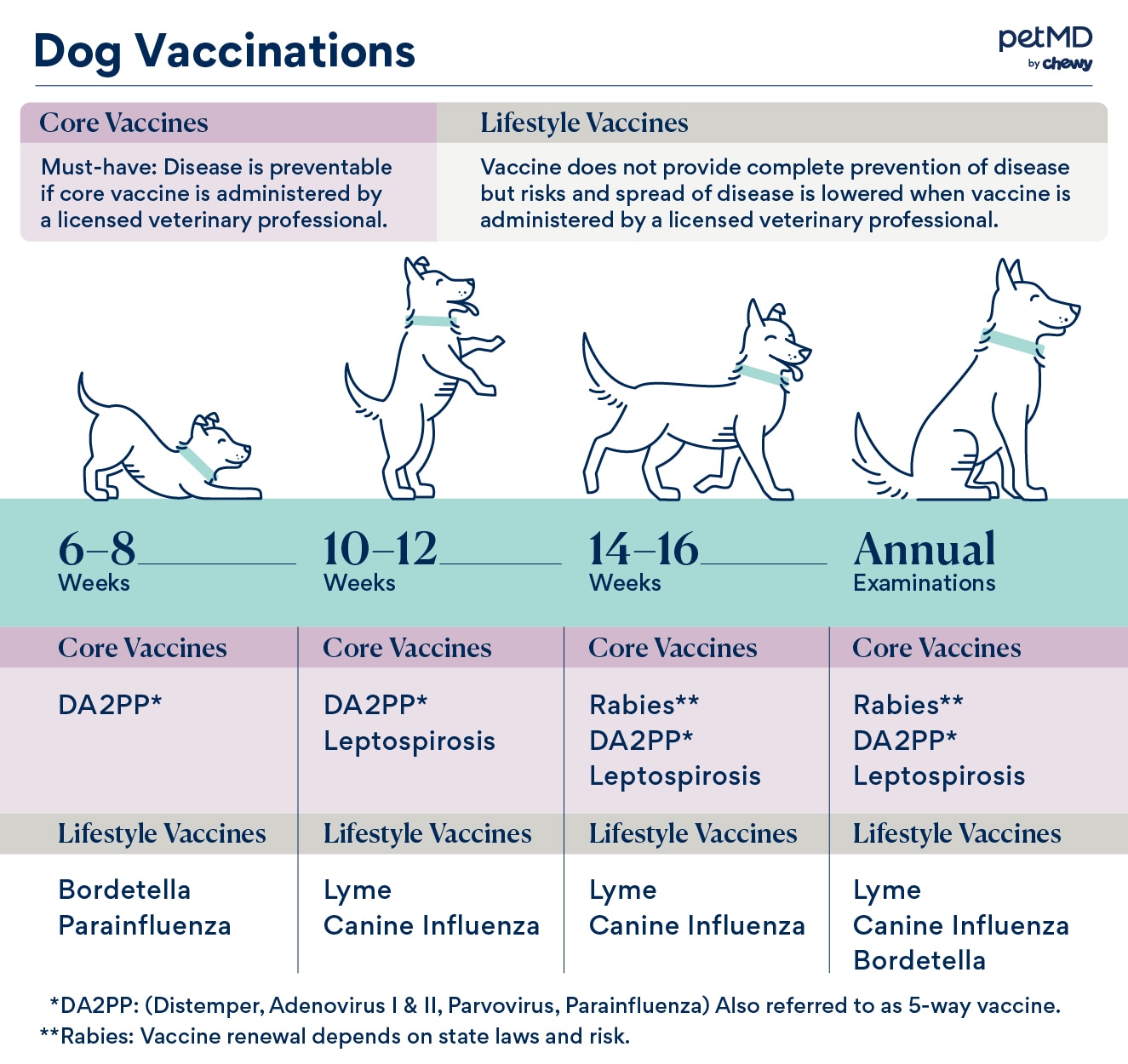
Image Source: image.petmd.com
Dog Reproduction: A Quick Look
When can female dogs get pregnant? Female dogs can get pregnant as soon as they experience their first heat cycle (estrus), which typically occurs between 6 and 24 months of age. However, breeding a dog this early is strongly discouraged due to health and developmental concerns.
What is the ideal age for dog pregnancy? The ideal age for dog pregnancy is typically between 2 and 5 years old. During this period, female dogs are usually in peak physical condition, making them better equipped to handle the demands of pregnancy, whelping (giving birth), and nursing.
Female Dog Breeding Age: A Closer Examination
Minimum Age Recommendations
While a female dog can get pregnant during her first heat, waiting until at least her second or third heat cycle is crucial. Here’s why:
- Physical Maturity: Young dogs are still growing and developing. Pregnancy places significant nutritional demands on their bodies. Breeding too early can stunt their growth, lead to skeletal problems, and deplete vital nutrients.
- Mental Maturity: Raising puppies requires significant maternal instincts and care. Young dogs may not be emotionally ready for the responsibility, potentially leading to neglect or even rejection of the puppies.
Therefore, most veterinarians and responsible breeders recommend waiting until a female dog is at least 1.5 to 2 years old before breeding. Larger breeds, which mature more slowly, might need to wait even longer.
Safe Age to Have Puppies: Optimizing Health
The safe age to have puppies considers not just the minimum age, but also the peak fertility and physical condition of the female. Breeding a dog between 2 and 5 years old usually leads to healthier pregnancies, easier deliveries, and healthier puppies.
| Age Range | Pros | Cons |
|---|---|---|
| Under 1.5 | None – Breeding at this age is highly discouraged | Stunted growth, nutrient depletion, difficult pregnancy, neglectful motherhood |
| 2-5 Years | Peak fertility, good physical condition, easier whelping | None, provided the dog is healthy and well-cared for |
| Over 5 Years | Can still be successful, but fertility may decline | Increased risk of complications, weaker labor, potential for stillbirths |
Maximum Age Considerations
As female dogs age, their fertility declines, and the risks associated with pregnancy increase. It is generally not recommended to breed a female dog after the age of 5-7 years, depending on her breed and overall health.
- Decreased Fertility: Older dogs may have difficulty conceiving.
- Increased Risk of Complications: Older dogs are more likely to experience complications during pregnancy and whelping, such as dystocia (difficult labor), uterine inertia (weak contractions), and stillbirths.
- Health Issues: Underlying health conditions, such as heart disease or kidney problems, can be exacerbated by pregnancy.
Male Dog Breeding Age: A Detailed Perspective
Understanding Canine Fertility Age
Male dogs reach puberty and become fertile around 6-12 months of age. However, like females, it’s best to wait before breeding them. Although a young male dog can technically sire a litter, his semen quality and behavior might not be optimal.
Best Age to Breed a Dog (Male): Maturation Matters
The best age to breed a dog (male) is typically after they are fully mature, both physically and mentally. This usually occurs around 1.5 to 2 years of age.
- Improved Semen Quality: Older males tend to have higher sperm counts and better sperm motility (the ability of sperm to move effectively), increasing the chances of successful fertilization.
- More Stable Temperament: Mature males are usually calmer and more predictable, making them easier to handle during breeding.
- Confirmation of Desirable Traits: Waiting allows breeders to assess the male’s temperament, conformation (physical structure), and overall health, ensuring that he is a good candidate for passing on desirable traits to offspring.
Lifelong Fertility Considerations
Unlike females, male dogs generally remain fertile throughout their lives, although their semen quality may decline somewhat with age. However, it’s crucial to consider their overall health and physical condition when deciding whether to use an older male for breeding.
The Risks of Early Dog Pregnancy
The risks of early dog pregnancy are numerous and can have long-lasting consequences for both the mother and her puppies.
- Stunted Growth: As mentioned earlier, pregnancy places significant nutritional demands on a young dog’s body. If she is bred before she has finished growing, she may not be able to provide enough nutrients for both herself and her developing puppies, leading to stunted growth and skeletal problems.
- Difficult Pregnancy and Whelping: Young dogs may not have fully developed pelvic structures, making it more difficult for them to deliver puppies. This can lead to dystocia (difficult labor), which may require a Cesarean section.
- Nutrient Depletion: Pregnancy can deplete a young dog’s body of essential nutrients, such as calcium and phosphorus. This can lead to health problems like eclampsia (milk fever), a life-threatening condition caused by low calcium levels.
- Neglectful Motherhood: Young dogs may not have the necessary maternal instincts to care for their puppies properly. They may neglect to nurse them, keep them warm, or protect them from harm.
- Increased Puppy Mortality: Puppies born to young mothers are more likely to be premature, underweight, and have a higher risk of mortality.
Responsible Dog Breeding Guidelines
Dog breeding guidelines are essential for ensuring the health and well-being of both the parent dogs and their puppies.
- Health Testing: Before breeding any dog, it’s crucial to conduct thorough health testing to screen for genetic diseases and other health problems that could be passed on to offspring. This may include hip and elbow dysplasia evaluations, eye exams, heart exams, and DNA testing for breed-specific genetic conditions.
- Temperament Assessment: Breeding dogs should have stable and desirable temperaments. Avoid breeding dogs that are aggressive, fearful, or overly shy.
- Careful Selection of Breeding Pairs: Choose breeding pairs that complement each other in terms of temperament, conformation, and genetic diversity. Avoid breeding closely related dogs, as this can increase the risk of genetic problems.
- Proper Nutrition: Provide breeding dogs with a high-quality diet that is specifically formulated for pregnant and lactating females.
- Veterinary Care: Work closely with a veterinarian throughout the pregnancy and whelping process. Regular checkups, vaccinations, and deworming are essential for maintaining the health of the mother and her puppies.
- Whelping Environment: Prepare a clean, quiet, and comfortable whelping environment for the mother dog.
- Early Puppy Care: Provide puppies with proper care from birth, including regular weigh-ins, vaccinations, deworming, and socialization.
- Responsible Placement: Carefully screen potential adopters to ensure that puppies are placed in loving and responsible homes.
- Spaying and Neutering: Spaying or neutering dogs that are not intended for breeding is crucial for preventing unwanted pregnancies and reducing the risk of certain health problems.
Dog Pregnancy Age Range: A Summary Table
Here’s a table summarizing the recommended breeding ages for dogs:
| Factor | Female Dogs | Male Dogs |
|---|---|---|
| Minimum Breeding Age | 1.5 – 2 years (after 2nd or 3rd heat) | 1.5 – 2 years |
| Ideal Breeding Age | 2 – 5 years | 2 – 5 years (or older if healthy) |
| Maximum Breeding Age | 5 – 7 years (depending on breed & health) | No strict limit, but consider health |
Fathoming Dog Breeding Ethics
Responsible breeding is more than just producing puppies; it’s about improving the breed and ensuring the health and well-being of all involved. Ethical breeders prioritize health testing, temperament, and responsible placement of puppies. They also understand the importance of spaying and neutering dogs that are not intended for breeding.
Considering Alternatives: Spaying and Neutering
Spaying (removing the ovaries and uterus) and neutering (removing the testicles) are important procedures that offer numerous health and behavioral benefits for dogs. These procedures can prevent unwanted pregnancies, reduce the risk of certain cancers, and help control pet overpopulation. If you are not planning to breed your dog, spaying or neutering is the responsible choice.
Frequently Asked Questions (FAQ)
Q: How often can a female dog have puppies?
A: It’s generally recommended that a female dog have no more than 3-4 litters in her lifetime, with at least one heat cycle between pregnancies to allow her body to recover.
Q: Can a small dog breed earlier than a large dog breed?
A: Small breeds typically mature faster than large breeds, but the same principles apply: wait until they are fully mature physically and mentally before breeding.
Q: What are signs of pregnancy in dogs?
A: Signs of pregnancy in dogs can include weight gain, increased appetite, enlarged nipples, nesting behavior, and morning sickness. A veterinarian can confirm pregnancy through palpation, ultrasound, or X-ray.
Q: How long is a dog pregnant?
A: A dog’s gestation period is approximately 63 days (about 9 weeks).
Q: What if my dog gets pregnant accidentally at a young age?
A: Consult with your veterinarian immediately. They can discuss options such as terminating the pregnancy or providing specialized care to minimize the risks to the young mother and her puppies.
By carefully considering these factors and following responsible breeding practices, you can help ensure the health and well-being of your dogs and contribute to the betterment of their breed.