
Are chicken hearts good for dogs? Yes, chicken hearts are a fantastic and nutritious treat or supplement for dogs. They are packed with essential nutrients that can contribute significantly to your dog’s overall health.
Chicken hearts are a readily available and affordable way to boost your dog’s diet. This comprehensive guide will show you everything you need to know about feeding chicken hearts to dogs, from the nutritional benefits to safe preparation methods and delicious chicken heart dog food recipe ideas.
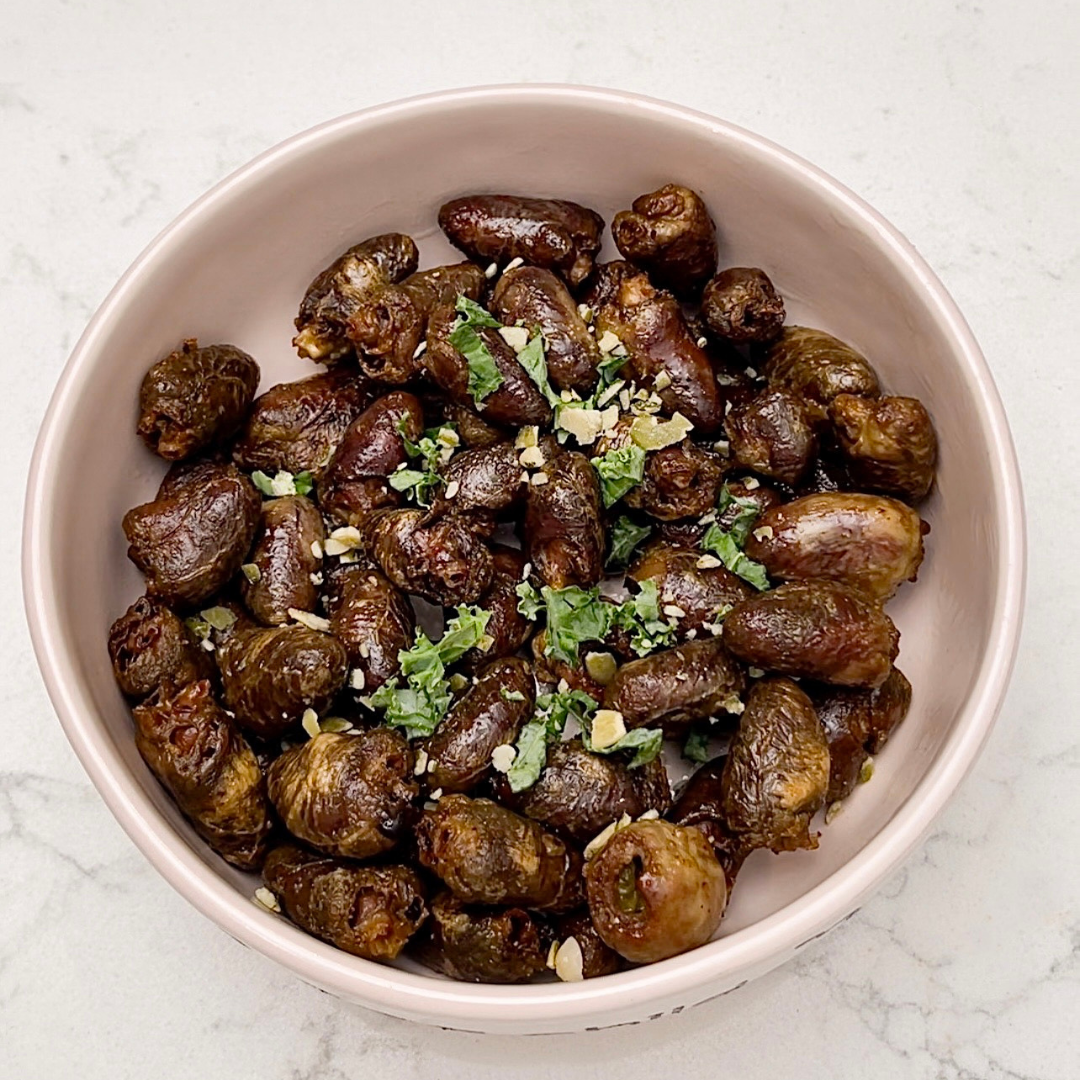
Image Source: dogchild.co
Why Chicken Hearts? Unveiling the Benefits
Chicken hearts aren’t just a cheap protein source; they are a nutritional powerhouse for your canine companion. Let’s explore some key chicken heart benefits for dogs.
Nutritional Value of Chicken Hearts for Dogs
Chicken hearts offer a wide range of essential nutrients, making them a valuable addition to your dog’s diet. Here’s a breakdown:
- Protein: Crucial for muscle development and repair, enzyme production, and hormone regulation.
- Taurine: An amino acid vital for heart health, eye health, and immune function. Chicken hearts are one of the best natural sources of taurine.
- Iron: Essential for carrying oxygen in the blood, preventing anemia.
- B Vitamins: Including B12, riboflavin, and niacin, which support energy production, nerve function, and cell growth.
- Fatty Acids: Provide energy and support healthy skin and coat.
- Coenzyme Q10 (CoQ10): An antioxidant that supports heart health and energy production.
- Phosphorus: Important for healthy bones and teeth.
Chicken Heart Benefits for Dogs: A Closer Look
- Heart Health: The high taurine content in chicken hearts is particularly beneficial for heart health, especially in breeds prone to dilated cardiomyopathy (DCM), a condition where the heart muscle weakens.
- Increased Energy: B vitamins and CoQ10 contribute to increased energy levels and overall vitality.
- Healthy Skin and Coat: Fatty acids contribute to a shiny coat and healthy skin, reducing dryness and itchiness.
- Improved Muscle Function: Protein is vital for building and maintaining strong muscles, especially important for active dogs.
- Better Immune Function: Chicken hearts contain nutrients that support a healthy immune system, helping your dog fight off infections.
- Joint Health: Chicken hearts contain glucosamine and chondroitin, which help support joint health.
Choosing and Storing Chicken Hearts
Before diving into preparation, it’s essential to select and store chicken hearts properly to ensure your dog’s safety.
Selecting High-Quality Chicken Hearts
- Source Matters: Opt for chicken hearts from reputable sources that prioritize animal welfare and quality feed. Look for organic or free-range options whenever possible.
- Freshness is Key: Choose chicken hearts that are firm, plump, and have a bright red color. Avoid those that appear pale, slimy, or have an off-putting odor.
- Check the Expiration Date: Always check the expiration date on the packaging.
- Inspect for Damage: Ensure the packaging is intact and free from tears or punctures.
Proper Storage: Keeping Chicken Hearts Fresh
- Refrigeration: Store fresh chicken hearts in the refrigerator at or below 40°F (4°C) for no more than 1-2 days. Place them in a sealed container or resealable bag to prevent cross-contamination.
- Freezing Chicken Hearts for Dogs: For longer storage, freezing is the best option.
- Portioning: Divide the chicken hearts into portion sizes that are appropriate for your dog’s needs. This makes it easier to thaw only what you need.
- Packaging: Place the portions in freezer-safe bags or containers. Remove as much air as possible to prevent freezer burn.
- Labeling: Label each bag or container with the date and contents.
- Freezing Time: Properly frozen chicken hearts can last for up to 2-3 months.
- Thawing: Thaw chicken hearts in the refrigerator, never at room temperature, to prevent bacterial growth. Use them immediately after thawing.
Preparing Chicken Hearts for Dogs: Cooking vs. Raw
There are two primary ways to prepare chicken hearts for your dog: cooking and feeding raw. Both have pros and cons.
Cooking Chicken Hearts for Dogs
Pros:
- Kills Bacteria: Cooking eliminates potentially harmful bacteria, making it a safer option for dogs with compromised immune systems or sensitive stomachs.
- Easier Digestion: Some dogs find cooked chicken hearts easier to digest than raw ones.
Cons:
- Nutrient Loss: Cooking can reduce the levels of certain nutrients, such as taurine and B vitamins.
- Bone Concerns: Never feed cooked chicken bones to dogs. While the heart doesn’t have bones, be mindful of the overall diet if bones are also included.
How to Cook Chicken Hearts for Dogs:
- Rinse: Thoroughly rinse the chicken hearts under cold water.
- Trim: Trim off any excess fat or connective tissue.
- Cooking Methods:
- Boiling: Place the chicken hearts in a pot of boiling water and cook for 10-15 minutes, or until they are cooked through. Ensure the internal temperature reaches 165°F (74°C).
- Baking: Preheat the oven to 350°F (175°C). Place the chicken hearts on a baking sheet and bake for 20-25 minutes, or until cooked through.
- Pan-Frying: Heat a small amount of oil in a pan over medium heat. Cook the chicken hearts for 5-7 minutes per side, or until cooked through. Be careful not to use oils that are toxic for dogs such as grapeseed oil. Olive oil is a better choice.
- Cool: Allow the cooked chicken hearts to cool completely before feeding them to your dog.
- Serving: Cut the chicken hearts into small, manageable pieces.
Preparing Raw Chicken Hearts for Dogs
Pros:
- Maximum Nutrient Retention: Raw feeding preserves the full nutritional value of chicken hearts, including taurine, vitamins, and enzymes.
- Natural Diet: Mimics a dog’s ancestral diet, which can promote optimal health.
Cons:
- Bacterial Risk: Raw chicken hearts may contain harmful bacteria such as Salmonella or E. coli, which can pose a risk to both your dog and your family.
- Handling Precautions: Requires strict hygiene practices to prevent contamination.
How to Safely Feed Chicken Hearts to Dogs:
- Source Responsibly: Purchase raw chicken hearts from a trusted supplier who follows strict food safety standards.
- Hygiene is Paramount:
- Wash Hands: Wash your hands thoroughly with soap and water before and after handling raw chicken hearts.
- Clean Surfaces: Clean and disinfect all surfaces and utensils that come into contact with raw chicken hearts.
- Separate Cutting Boards: Use a separate cutting board for raw meat to prevent cross-contamination.
- Freezing (Optional): Freezing raw chicken hearts for at least 3 days can help reduce the risk of certain parasites.
- Serving:
- Serve raw chicken hearts in a clean bowl.
- Monitor your dog while they eat to ensure they chew properly and don’t gulp down large pieces.
- Discard any uneaten raw chicken hearts promptly.
- Observe: Keep an eye on your dog for signs of illness such as vomiting or diarrhea.
Important Considerations for Raw Feeding:
- Consult with a Veterinarian: Before switching your dog to a raw diet, consult with your veterinarian to ensure it is appropriate for their individual needs and health status.
- Balanced Diet: Raw feeding requires careful planning to ensure your dog receives a balanced diet. Chicken hearts should be part of a varied and complete diet that includes other organ meats, muscle meat, bones, and vegetables.
A Note on Chicken Heart Dog Treats
Chicken heart dog treats can be a great way to reward your furry friend with a healthy and delicious snack. Here are a few ideas:
- Dehydrated Chicken Hearts: Dehydrating chicken hearts makes them a chewy and long-lasting treat.
- Baked Chicken Heart Treats: Bake cooked chicken hearts in the oven until they are crispy.
- Frozen Chicken Heart Bites: Freeze small pieces of raw or cooked chicken hearts for a refreshing summer treat.
Chicken Heart Dog Food Recipe Ideas
Integrating chicken hearts into your dog’s meals is easy. Here are a couple of chicken heart dog food recipe ideas.
Chicken Heart and Vegetable Stew
Ingredients:
- 1 pound chicken hearts, cooked and chopped
- 1 cup chopped carrots
- 1 cup chopped green beans
- 1/2 cup cooked brown rice
- 4 cups chicken broth (low sodium)
Instructions:
- Combine all ingredients in a large pot.
- Bring to a boil, then reduce heat and simmer for 15-20 minutes, or until the vegetables are tender.
- Allow to cool completely before serving.
Raw Chicken Heart and Ground Beef Mix
Ingredients:
- 1 pound raw chicken hearts, chopped
- 1 pound ground beef (lean)
- 1/2 cup chopped spinach
- 1/4 cup blueberries
- 1 tablespoon fish oil
Instructions:
- Combine all ingredients in a bowl.
- Mix well.
- Serve immediately.
Important Note: When preparing raw meals, always follow strict hygiene practices to prevent bacterial contamination.
How Much Chicken Hearts to Feed Your Dog
The amount of chicken hearts you feed your dog will depend on several factors, including their size, age, activity level, and overall diet.
General Guidelines
- Treats: Chicken hearts can be offered as a treat, making up no more than 10% of your dog’s daily caloric intake.
- Supplement: If using chicken hearts as a supplement to their regular diet, start with small amounts and gradually increase as tolerated.
- Meal Component: When incorporating chicken hearts into their meals, adjust the other ingredients to ensure a balanced diet.
Specific Recommendations
- Small Dogs (under 20 lbs): 1-2 chicken hearts per day.
- Medium Dogs (20-50 lbs): 3-5 chicken hearts per day.
- Large Dogs (over 50 lbs): 5-8 chicken hearts per day.
Important: These are general guidelines. Always monitor your dog’s weight and adjust the amount of chicken hearts accordingly. If you notice any digestive upset or other adverse reactions, reduce the amount or discontinue feeding chicken hearts altogether.
Potential Risks and Precautions
While chicken hearts are generally safe and beneficial for dogs, there are some potential risks to be aware of.
Bacterial Contamination
As with any raw meat product, there is a risk of bacterial contamination with Salmonella, E. coli, or other harmful bacteria. Proper handling and storage are crucial to minimize this risk.
Overfeeding
Feeding too many chicken hearts can lead to digestive upset, such as diarrhea or vomiting. Start with small amounts and gradually increase as tolerated.
Allergic Reactions
Although rare, some dogs may be allergic to chicken. If you notice any signs of an allergic reaction, such as itching, hives, or swelling, discontinue feeding chicken hearts and consult with your veterinarian.
Nutrient Imbalance
Feeding chicken hearts as the sole source of nutrition can lead to nutrient imbalances. Ensure your dog’s diet is balanced and includes a variety of other ingredients.
Fathoming Your Dog’s Specific Needs
Every dog is different, and their nutritional needs can vary based on their breed, age, activity level, and health status.
Considerations for Puppies
Puppies have higher nutritional needs than adult dogs. Chicken hearts can be a beneficial addition to their diet, providing essential protein, vitamins, and minerals. However, it’s essential to feed them in moderation and ensure they are receiving a balanced puppy food formulated for their specific needs.
Considerations for Senior Dogs
Senior dogs may have different dietary requirements due to age-related health conditions. Chicken hearts can be a good source of taurine and CoQ10, which support heart health in older dogs. However, consult with your veterinarian to determine the appropriate amount and ensure it fits with their overall diet and health plan.
Considerations for Dogs with Health Conditions
If your dog has any underlying health conditions, such as kidney disease or pancreatitis, it’s essential to consult with your veterinarian before adding chicken hearts to their diet. Certain nutrients in chicken hearts may need to be limited or avoided depending on their condition.
Frequently Asked Questions (FAQ)
Q: Can I feed my dog chicken hearts every day?
A: Yes, chicken hearts can be fed daily in moderation as part of a balanced diet. They should not make up the entire diet.
Q: Are chicken hearts safe for puppies?
A: Yes, chicken hearts are safe for puppies when fed in moderation and as part of a balanced diet.
Q: Can chicken hearts cause diarrhea in dogs?
A: Overfeeding chicken hearts can cause diarrhea. Start with small amounts and gradually increase as tolerated.
Q: How should I store leftover cooked chicken hearts?
A: Store leftover cooked chicken hearts in the refrigerator in a sealed container for up to 2-3 days.
Q: Can I use chicken hearts in homemade dog treats?
A: Yes, chicken hearts can be used in homemade dog treats, such as dehydrated or baked treats.
Q: Is it better to feed chicken hearts raw or cooked?
A: Both raw and cooked chicken hearts have benefits and risks. Raw feeding retains more nutrients but carries a higher risk of bacterial contamination. Cooking eliminates bacteria but may reduce nutrient levels. Choose the method that best suits your dog’s needs and your comfort level.
Q: What if my dog doesn’t like chicken hearts?
A: Some dogs may not enjoy the taste or texture of chicken hearts. Try different preparation methods or mix them with other foods to make them more palatable.
Q: Can chicken hearts replace taurine supplements?
A: Chicken hearts are a natural source of taurine and may help reduce the need for supplementation, but it’s important to consult with your veterinarian to determine the appropriate amount for your dog’s individual needs.
Conclusion
Unlock a nutritional powerhouse for your canine companion by adding chicken hearts to their meals. These nutrient-dense morsels are a brilliant way to fortify their diet, championing robust heart function, sustained energy, and a vibrant overall disposition. Prepare them raw or cooked, always prioritizing safe handling and storage to safeguard your furry friend. Introducing chicken hearts thoughtfully offers your dog a delectable and beneficial upgrade, paving the way for a longer, healthier, and happier existence. Remember, a quick chat with your vet is always wise before introducing any major dietary shifts.