
Are you wondering how to eliminate dog pee odor from your floors? This guide will help you neutralize pet urine smell and clean dog urine from floor effectively. We’ll cover everything from identifying the affected areas to using the best urine odor remover and preventing future accidents.
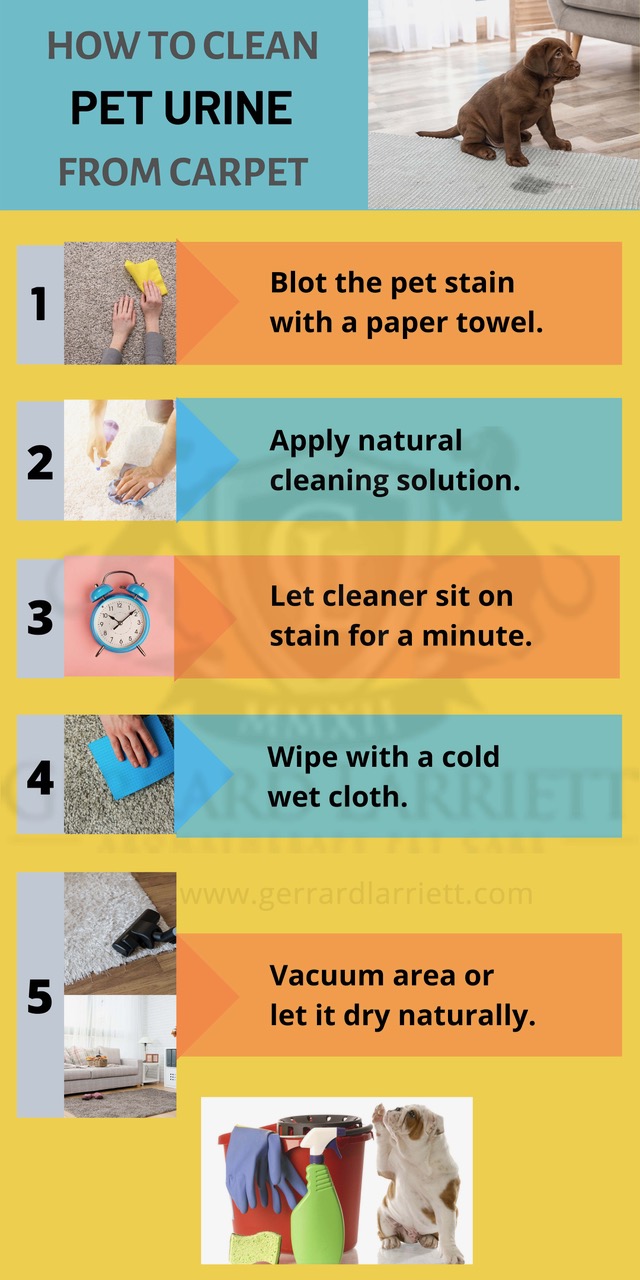
Image Source: www.gerrardlarriett.com
Identifying the Source of the Odor
Finding the exact spot is the first and most important step. Dog urine can seep into carpets, cracks, and crevices, making it hard to locate.
The Sniff Test
Sometimes the nose knows best. Get down on your hands and knees and sniff around. You may be surprised where you find the strongest smell.
Using a Blacklight
A blacklight can help you locate dried urine stains. Turn off the lights and shine the blacklight over the area. Urine will glow a yellowish-green color. Mark these spots with painter’s tape or chalk.
Moisture Meter
A moisture meter can detect dampness in floors and walls, which can indicate the presence of urine, even if you can’t see or smell it.
Cleaning Dog Urine from Different Floor Types
The method you use to clean dog urine from floor depends on the type of flooring you have.
Hardwood Floors: A Delicate Task
Hardwood is porous, meaning urine can soak in quickly. This makes dog urine smell removal hardwood especially challenging.
Immediate Action
- Blot up as much urine as possible with paper towels or a clean cloth. Don’t rub, as this will spread the urine.
- Place a thick layer of paper towels over the area and weigh it down with a heavy object for several hours to absorb any remaining urine.
Deep Cleaning Methods
- Enzymatic Cleaner: This is often the best urine odor remover for hardwood. Apply the cleaner liberally, following the manufacturer’s instructions. Let it sit for the recommended time to break down the urine.
- Hydrogen Peroxide: For stubborn stains, mix a 3% hydrogen peroxide solution with a few drops of dish soap. Apply to the stain, let it sit for a few minutes, and then blot dry. Test in an inconspicuous area first.
- Baking Soda and Vinegar: Sprinkle baking soda over the stain, then spray with white vinegar. Let it fizz and sit for a few hours, then blot dry.
- Sanding and Refinishing: In severe cases, you may need to sand down the affected area and refinish the wood. This is a more drastic measure but can be effective for removing deep-set odors.
Table: Hardwood Cleaning Solutions
| Solution | Pros | Cons |
|---|---|---|
| Enzymatic Cleaner | Effective at breaking down urine; safe for most hardwoods | Can be expensive; may require multiple applications |
| Hydrogen Peroxide | Good for removing stains; readily available | Can lighten or damage some finishes; test in a hidden area first |
| Baking Soda & Vinegar | Natural; good for absorbing odors | Can be messy; may not be effective for deep-set stains |
Preventing Future Damage
- Clean up accidents immediately.
- Use rugs or mats in areas where your dog is prone to accidents.
- Consider sealing your hardwood floors to prevent urine from soaking in.
Carpets and Rugs: A Fiber-Deep Problem
Carpets are notorious for trapping urine and its odor. Effective pet stain and odor removal is essential.
Immediate Action
- Blot up as much urine as possible with paper towels or a clean cloth.
- Use a wet/dry vacuum to extract as much liquid as possible.
Deep Cleaning Methods
- Enzymatic Cleaner: This is your best bet for pet stain and odor removal. Saturate the affected area with the cleaner, making sure it reaches the carpet padding. Let it sit for the recommended time, then blot dry.
- Baking Soda: Sprinkle baking soda liberally over the area and let it sit overnight. Vacuum it up the next day.
- Vinegar and Water: Mix equal parts white vinegar and water in a spray bottle. Spray the affected area and let it sit for a few minutes, then blot dry.
- Steam Cleaning: After using an enzymatic cleaner, steam cleaning can help to further remove urine and odors. Be sure to use a pet-friendly carpet cleaning solution.
Table: Carpet Cleaning Solutions
| Solution | Pros | Cons |
|---|---|---|
| Enzymatic Cleaner | Breaks down urine effectively; safe for most carpets | Can be expensive; may require multiple applications |
| Baking Soda | Absorbs odors; inexpensive | Doesn’t remove stains; can be messy |
| Vinegar & Water | Natural; deodorizes | May not be effective for heavily soiled areas; can have a strong smell |
| Steam Cleaning | Deep cleans and removes odors; can sanitize | Requires special equipment; can damage some carpets |
Preventing Future Accidents
- Use waterproof carpet pads.
- Consider crate training your dog.
- Take your dog outside frequently.
Concrete Floors: Porous and Persistent
Concrete is highly porous and can absorb urine deeply, making it difficult to get rid of dog urine smell concrete.
Immediate Action
- Blot up any visible urine.
- Rinse the area with water to dilute the urine.
Deep Cleaning Methods
- Enzymatic Cleaner: Apply a generous amount of enzymatic cleaner for dog urine to the affected area. Let it sit for several hours or overnight, then rinse with water.
- Baking Soda and Hydrogen Peroxide: Make a paste of baking soda and hydrogen peroxide. Apply to the stain, let it dry, and then sweep or vacuum up the residue.
- Commercial Concrete Cleaners: There are specialized concrete cleaners designed to remove pet stains and odors. Follow the manufacturer’s instructions carefully.
- Pressure Washing: For outdoor concrete surfaces, pressure washing can be effective at removing urine and odors.
Table: Concrete Cleaning Solutions
| Solution | Pros | Cons |
|---|---|---|
| Enzymatic Cleaner | Breaks down urine effectively; safe for concrete | May require multiple applications |
| Baking Soda & Hydrogen Peroxide | Good for absorbing odors and removing stains | Can be messy; may not be effective for deep-set stains |
| Commercial Concrete Cleaners | Formulated for concrete; can remove tough stains | Can be expensive; may contain harsh chemicals |
| Pressure Washing | Effective for outdoor surfaces; removes surface-level contamination | May not penetrate deep-set stains; can damage some concrete surfaces if misused |
Sealing Concrete
- Seal your concrete floors to prevent urine from soaking in.
- Apply a concrete stain and odor sealer after cleaning.
Tile and Linoleum: Relatively Easy to Clean
Tile and linoleum are non-porous, making them easier to clean than other floor types.
Immediate Action
- Wipe up the urine with a paper towel or cloth.
- Clean the area with a mild detergent and water.
Deep Cleaning Methods
- Enzymatic Cleaner: This can help eliminate any lingering odors.
- Vinegar and Water: Mix equal parts white vinegar and water in a spray bottle and spray the affected area.
- Bleach Solution: For stubborn stains, use a diluted bleach solution (1 part bleach to 10 parts water). Be careful when using bleach and test in an inconspicuous area first.
- Grout Cleaning: Pay special attention to the grout, as it can absorb urine. Use a grout brush and a grout cleaner to remove any stains or odors.
Table: Tile & Linoleum Cleaning Solutions
| Solution | Pros | Cons |
|---|---|---|
| Enzymatic Cleaner | Effective at breaking down urine; safe for use | Can be expensive; may require multiple applications |
| Vinegar & Water | Natural; deodorizes | May not be effective for heavily soiled areas |
| Bleach Solution | Disinfects and removes stains | Can damage some surfaces; strong odor; use with caution |
DIY Dog Urine Odor Removal Solutions
If you prefer a DIY dog urine odor removal approach, here are a few options:
- Baking Soda: Sprinkle baking soda liberally over the affected area and let it sit overnight. Vacuum it up the next day.
- Vinegar and Water: Mix equal parts white vinegar and water in a spray bottle. Spray the affected area and let it sit for a few minutes, then blot dry.
- Hydrogen Peroxide: Mix a 3% hydrogen peroxide solution with a few drops of dish soap. Apply to the stain, let it sit for a few minutes, and then blot dry.
- Lemon Juice: Apply lemon juice to the affected area and let it sit for a few minutes, then blot dry. Lemon juice has a natural deodorizing effect.
Table: DIY Cleaning Solutions
| Solution | Pros | Cons |
|---|---|---|
| Baking Soda | Absorbs odors; inexpensive; safe for most surfaces | Doesn’t remove stains; can be messy |
| Vinegar & Water | Natural; deodorizes; readily available | May not be effective for heavily soiled areas; can have a strong smell |
| Hydrogen Peroxide | Good for removing stains; readily available | Can lighten or damage some finishes; test in a hidden area first |
| Lemon Juice | Natural deodorizer; readily available; pleasant scent | Can be acidic; may not be effective for deep-set stains; can attract insects if not cleaned properly |
The Power of Enzymatic Cleaners
Enzymatic cleaner for dog urine are specially formulated to break down the enzymes in urine, effectively eliminating both the stain and the odor. They work by using beneficial bacteria to digest the urine molecules.
How to Use Enzymatic Cleaners
- Read the Instructions: Always follow the manufacturer’s instructions carefully.
- Apply Liberally: Saturate the affected area with the cleaner. Make sure it reaches the carpet padding or penetrates the concrete.
- Let It Sit: Allow the cleaner to sit for the recommended time. This is crucial for the enzymes to work properly.
- Blot Dry: After the recommended time, blot up any excess cleaner with a clean cloth or paper towels.
- Air Dry: Allow the area to air dry completely.
Why Enzymatic Cleaners Are Effective
- Break Down Urine: They target the specific enzymes in urine, breaking them down into smaller, odorless molecules.
- Eliminate Odor Permanently: Unlike other cleaners that simply mask the odor, enzymatic cleaners eliminate it at its source.
- Safe for Pets and Humans: Most enzymatic cleaners are safe for use around pets and humans when used as directed.
When to Call a Professional
Sometimes, despite your best efforts, you can’t eliminate dog pee odor on your own. In these cases, it may be time to consider professional pet stain removal.
Signs You Need Professional Help
- Persistent Odor: If the odor lingers despite repeated cleaning attempts.
- Large Stains: If the stain is large or covers a significant area.
- Deep-Set Stains: If the urine has soaked deep into the carpet padding or subfloor.
- Valuable Flooring: If you have valuable or delicate flooring, such as antique rugs or hardwood, you may want to leave the cleaning to a professional.
- Health Concerns: If you or someone in your household has allergies or respiratory issues, professional cleaning can help eliminate allergens and irritants.
What Professional Cleaners Do
- Advanced Equipment: Professional cleaners have access to specialized equipment, such as truck-mounted steam cleaners and powerful extraction tools.
- Specialized Cleaning Solutions: They use professional-grade cleaning solutions that are more effective than over-the-counter products.
- Experience and Expertise: They have the experience and expertise to identify the best cleaning methods for different types of flooring and stains.
Preventing Future Accidents
Prevention is always better than cure. Here are some tips to prevent future accidents and keep your home smelling fresh:
- Regular Potty Breaks: Take your dog outside frequently, especially after meals and before bedtime.
- Crate Training: Crate training can help your dog learn to control their bladder and bowels.
- Positive Reinforcement: Reward your dog when they eliminate outside.
- Address Underlying Medical Issues: If your dog is having frequent accidents, consult your veterinarian to rule out any underlying medical issues.
- Clean Accidents Immediately: The sooner you clean up an accident, the less likely it is to stain or leave a lingering odor.
Frequently Asked Questions (FAQ)
- What is the best way to remove dog urine smell from concrete? The best urine odor remover for concrete is an enzymatic cleaner, allowing it to soak deeply before rinsing. Sealing the concrete afterward is crucial.
- Can I use bleach to clean dog urine? Bleach is generally not recommended for cleaning dog urine, especially on carpets or hardwood. It can damage the fibers and may not effectively eliminate the odor. It’s more suitable for tile and linoleum, used with caution.
- Who should I call for severe pet stain removal? For severe pet stains and odors, contacting professional pet stain removal services is the best course of action.
- What is enzymatic cleaner for dog urine, and why is it effective? An enzymatic cleaner for dog urine contains enzymes that break down the organic compounds in urine, eliminating both the stain and the odor at its source.
- How to eliminate dog pee odor from hardwood floors? Act fast! For dog urine smell removal hardwood, blot up urine immediately, then use an enzymatic cleaner specifically designed for hardwood floors. Sealing the floor afterward can help prevent future issues.
- Is vinegar safe to use on all floor types? Vinegar is generally safe for most floor types, but it’s best to test it in an inconspicuous area first, especially on hardwood.
- Why does my dog keep peeing in the house? There could be several reasons, including medical issues, behavioral problems, or inadequate potty training. Consult your veterinarian to rule out any medical conditions.
- Are there any natural remedies for dog urine odor removal? Yes, baking soda, vinegar, and lemon juice can be effective natural remedies for DIY dog urine odor removal.
- What causes dog urine to smell so bad? Dog urine contains uric acid, which crystallizes and clings to surfaces, causing a persistent odor.
- How often should I clean my floors to prevent urine odors? Clean your floors regularly, especially in areas where your dog frequents. Immediate cleanup of accidents is crucial.
By following these tips, you can effectively remove dog urine smell from your floors and keep your home smelling fresh and clean. Remember, persistence is key!