
What causes a dog to pee on rugs? There are many reasons why a dog might pee on a rug, ranging from incomplete house training to medical issues and behavioral problems like anxiety or marking territory. Identifying the root cause is the first step to stopping the behavior. This article provides proven methods to help you address the problem and restore your rugs (and peace of mind!).
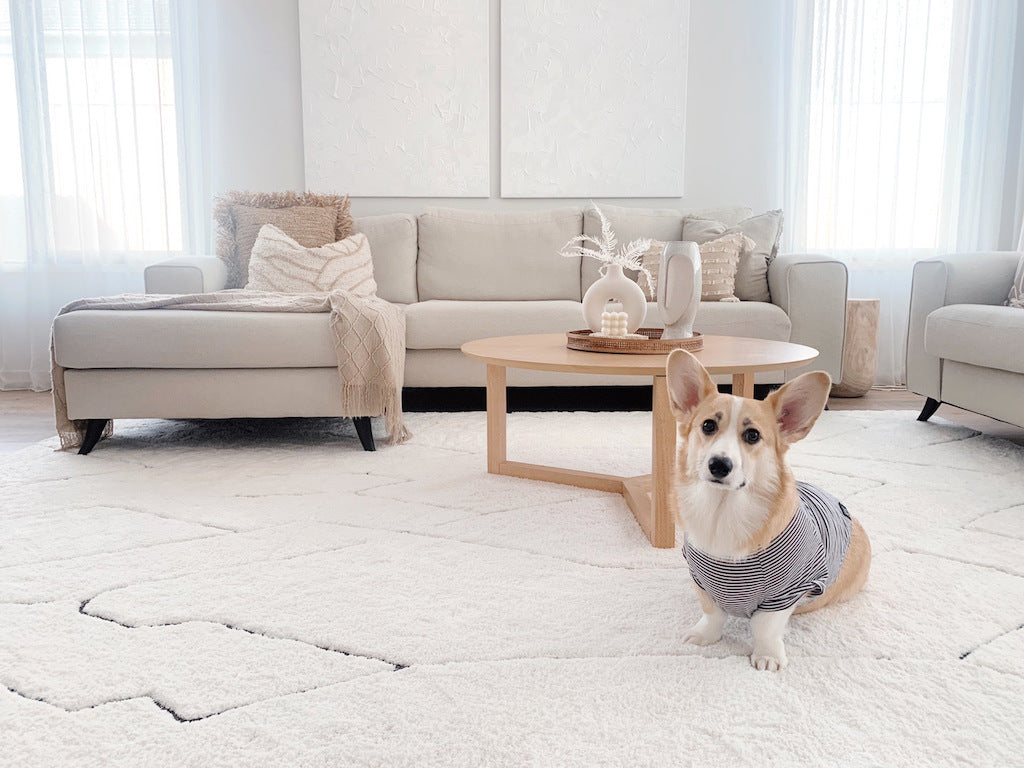
Image Source: missamara.com.au
Why Does My Dog Pee on the Rug? Pinpointing the Reasons
Dealing with dog rug urination can be frustrating. It’s vital to figure out why your dog is peeing inside. Understanding the reasons behind your dog peeing on rugs is key to finding the right solution. Here are some common causes:
- Incomplete House Training: Even older dogs can have accidents if their initial house training wasn’t thorough enough.
- Medical Issues: Urinary tract infections (UTIs), bladder stones, kidney disease, diabetes, and dog incontinence can cause increased urination or loss of bladder control.
- Behavioral Issues: Anxiety, stress, and excitement can sometimes lead to accidents.
- Territorial Marking: Dogs may mark their territory by urinating in small amounts, especially if they feel threatened or insecure.
- Changes in Routine: A new baby, moving to a new house, or a change in work schedule can upset a dog’s routine and lead to accidents.
- Age-Related Issues: Senior dogs may experience cognitive decline or weakened bladder muscles, contributing to accidents.
- Submissive Urination: Some dogs, especially puppies, urinate when they feel intimidated or overwhelmed.
Step 1: Rule Out Medical Issues
The first thing to do is take your dog to the vet for a check-up. A medical problem could be the reason for your dog peeing inside.
- Veterinary Examination: A vet can perform tests to see if your dog has a UTI, bladder stones, kidney problems, or other medical conditions.
- Discuss Incontinence: Talk to your vet about possible dog incontinence solutions if your dog is leaking urine without knowing it.
- Medication Considerations: Some medications can increase thirst and urination. Ask your vet if any of your dog’s medications could be a factor.
Step 2: Thoroughly Clean Affected Areas to Eliminate Dog Urine Odor
Dogs are attracted to the smell of their own urine. If you don’t clean the rug properly, your dog will keep peeing there.
- Use an Enzymatic Cleaner: Regular cleaners won’t remove the urine smell. Enzymatic cleaners break down the urine and eliminate the odor.
- Blot, Don’t Rub: Rubbing can spread the urine and push it deeper into the rug fibers. Blot the urine with paper towels to soak up as much as possible.
- Saturate the Area: Pour the enzymatic cleaner onto the stain and let it sit for the recommended time.
- Dry Thoroughly: Use a wet/dry vacuum or clean towels to remove the cleaner. Let the rug air dry completely.
- Check with a Black Light: Use a black light to check for any remaining urine stains. Repeat the cleaning process if needed.
Table: Comparing Cleaning Methods for Dog Urine
| Cleaning Method | Effectiveness | Pros | Cons |
|---|---|---|---|
| Enzymatic Cleaner | Very effective at removing odors | Breaks down urine molecules; discourages re-marking | Can be expensive; may take multiple applications |
| Vinegar and Water | Moderately effective for fresh stains | Affordable; readily available | May not completely eliminate odors; can damage some rug materials |
| Baking Soda | Absorbs odors | Natural; safe for most rugs | Doesn’t remove stains; requires vacuuming |
| Commercial Carpet Cleaner | Partially effective, may mask odors | Convenient; widely available | May not fully remove urine odors; can leave residue |
Step 3: Reinforce House Training and Establish a Consistent Routine
Consistent training and a structured routine are essential for preventing future accidents.
- Frequent Potty Breaks: Take your dog outside frequently, especially after waking up, eating, playing, and before bedtime.
- Reward Good Behavior: When your dog pees outside, praise them enthusiastically and give them a treat.
- Supervise Indoors: Keep a close eye on your dog when they are inside. If you see them sniffing or circling, take them outside immediately.
- Crate Training (If Applicable): A crate can be a useful tool for house training. Dogs usually avoid soiling their crate.
- Designated Potty Spot: Choose a specific area in your yard for your dog to pee and poo. Take them to that spot every time.
- Consistent Feeding Schedule: A regular feeding schedule can help regulate your dog’s bowel movements.
- Preventing Dog Accidents on Carpets: Restrict access to rugs and carpets when you cannot supervise your dog.
Step 4: Address Behavioral Issues
If anxiety or territorial marking is the problem, you’ll need to address these issues directly.
- Identify Triggers: Figure out what’s causing your dog’s anxiety or territorial behavior.
- Consult a Trainer or Behaviorist: A professional can help you develop a training plan to address these issues.
- Provide Enrichment: Make sure your dog has plenty of toys, exercise, and mental stimulation to reduce boredom and anxiety.
- Use Calming Aids: Pheromone diffusers, calming collars, or anxiety medication (prescribed by a vet) can help reduce anxiety.
- Desensitization and Counter-Conditioning: Gradually expose your dog to the things that trigger their anxiety, while pairing it with positive reinforcement.
Step 5: Manage Age-Related Issues and Dog Incontinence Solutions
If your dog is older, you may need to manage age-related issues.
- More Frequent Potty Breaks: Senior dogs may need to pee more often.
- Elevated Dog Beds: Easier for older dogs with joint issues to get up and down.
- Diapers or Belly Bands: Consider using dog diapers or belly bands to manage incontinence.
- Medication: Your vet may prescribe medication to help with bladder control.
- Regular Veterinary Checkups: Senior dogs need more frequent checkups to monitor their health.
Step 6: Consider Dog Rugs
Sometimes, no matter how much training and care you provide, accidents may happen. To minimize the impact on your home, consider strategically using dog rugs designed to be absorbent and easy to clean.
- Washable Rugs: Use washable rugs in areas where your dog tends to have accidents.
- Waterproof Rugs: Waterproof rugs will protect your floors from urine damage.
- Outdoor Rugs: Place outdoor rugs indoors to handle moisture and messes.
- Rotate Rugs Regularly: Replace and wash rugs frequently to maintain cleanliness.
Additional Tips for Preventing Dog Accidents on Carpets
Here are some extra tips to help you prevent dog accidents on carpets:
- Limit Water Before Bedtime: Reduce water intake a few hours before bedtime to minimize nighttime accidents.
- Use a Dog Door: If appropriate, install a dog door so your dog can go outside to pee whenever they need to.
- Positive Reinforcement: Always use positive reinforcement when training your dog. Avoid punishment, which can make the problem worse.
- Consistency is Key: Be consistent with your training and routine.
Fathoming House Training Regression
Sometimes, even well-trained dogs start having accidents inside. This is called house training regression. There are several reasons why this might happen:
- Change in Environment: Moving to a new house, rearranging furniture, or introducing a new pet can cause stress and lead to accidents.
- Underlying Medical Conditions: New or worsening medical conditions can cause house training regression.
- Stress or Anxiety: Events like thunderstorms, fireworks, or separation anxiety can trigger accidents.
- Inconsistent Rules: If different family members have different rules about where the dog can go or what they can do, it can confuse the dog.
How to Address House Training Regression:
- Revisit Basic Training: Go back to the basics of house training. Take your dog outside frequently, reward them for peeing outside, and clean up accidents thoroughly.
- Identify and Address the Cause: Figure out what’s causing the regression and address it directly.
- Consult a Vet: Rule out any underlying medical conditions.
- Seek Professional Help: If the problem persists, consult a professional dog trainer or behaviorist.
FAQ: Dealing with Dog Peeing Inside
Q: Why is my dog suddenly peeing on the rug after being house trained?
A: Sudden changes in urination habits can indicate a medical issue, increased stress, or changes in their routine. A vet visit is recommended to rule out medical causes. After this, examine potential stressors and ensure consistent training practices.
Q: Can I use vinegar to clean dog urine from the rug?
A: Vinegar is a mild disinfectant and odor neutralizer. It can be used for fresh stains, but enzymatic cleaners are more effective at breaking down urine and eliminating odors completely.
Q: What is the best enzymatic cleaner for dog urine?
A: Look for enzymatic cleaners specifically designed for pet urine. Popular brands include Nature’s Miracle, Rocco & Roxie Stain & Odor Eliminator, and Anti-Icky-Poo.
Q: How do I stop my dog from marking territory indoors?
A: Neutering or spaying your dog can help reduce territorial marking. Clean marked areas thoroughly with an enzymatic cleaner, address any underlying anxiety or stress, and work with a trainer to redirect the behavior.
Q: What are some dog incontinence solutions for senior dogs?
A: Options include more frequent potty breaks, dog diapers or belly bands, medication prescribed by your vet, and regular veterinary checkups to monitor their health.
Q: How can I tell if my dog is peeing out of spite?
A: Dogs don’t pee out of spite. Accidents are usually due to medical issues, incomplete house training, anxiety, or territorial marking. Focus on identifying and addressing the underlying cause.
Q: What if my puppy keeps having puppy rug accidents even with frequent potty breaks?
A: Puppies have small bladders and need frequent potty breaks. Make sure you’re taking your puppy out every 2-3 hours, especially after waking up, eating, and playing. Supervise them closely indoors and reward them for peeing outside. If the accidents continue, consult your vet to rule out medical issues.
Q: What should I do if I catch my dog in the act of peeing on the rug?
A: Interrupt your dog with a firm “No!” and immediately take them outside to their designated potty spot. If they finish peeing outside, praise them and give them a treat. Avoid scolding or punishing them, as this can make them afraid to pee in front of you.
By following these methods, you can effectively address the problem of dog peeing inside and restore your rugs to their former glory. Be patient, consistent, and seek professional help if needed.