
Do you have a dog who loves to munch on your plants? The answer is simple: You can stop them by using safe deterrents, consistent training, and creating a dog-friendly environment. This guide will walk you through dog plant eating prevention, from identifying why your dog is eating plants to implementing solutions that protect your greenery and your furry friend.
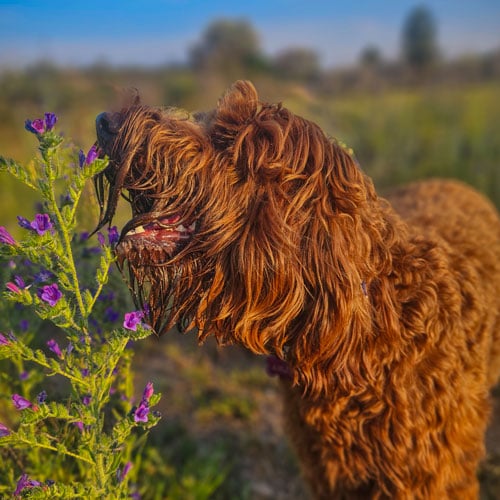
Image Source: www.cobberdogking.com
Why Do Dogs Eat Plants?
Before diving into dog plant eating prevention methods, let’s look at why dogs do this in the first place. There isn’t always a clear reason, but here are some common causes:
- Boredom: A bored dog might chew on plants just to have something to do.
- Curiosity: Puppies, especially, explore the world with their mouths.
- Dietary Deficiencies: Sometimes, dogs might be seeking something missing from their diet, though this is rare.
- Upset Stomach: Some dogs eat grass or plants to induce vomiting when they feel unwell.
- Habit: If a dog starts eating plants and isn’t corrected, it can become a habit.
- Pica: This is a condition where dogs compulsively eat non-food items.
- Anxiety: Anxious dogs sometimes engage in destructive behavior, including plant eating.
Identifying Poisonous Plants for Dogs
One of the most crucial steps in dog plant eating prevention is to identify poisonous plants for dogs. Many common houseplants and garden plants are toxic to dogs. If ingested, they can cause mild to severe reactions.
Common Poisonous Plants:
| Plant | Toxic Part(s) | Symptoms |
|---|---|---|
| Lilies | All parts | Vomiting, kidney failure (especially in cats), lethargy, decreased appetite |
| Azalea/Rhododendron | All parts | Vomiting, diarrhea, weakness, heart problems, coma |
| Oleander | All parts | Heart problems, vomiting, tremors, seizures, even death |
| Sago Palm | Seeds | Liver failure, vomiting, diarrhea, seizures |
| Tulip/Narcissus bulbs | Bulbs | Vomiting, diarrhea, drooling, heart problems |
| Dieffenbachia | All parts | Oral irritation, excessive drooling, difficulty swallowing |
| Castor Bean | Seeds | Abdominal pain, vomiting, diarrhea, dehydration |
If you suspect your dog has eaten a poisonous plant, contact your veterinarian or an animal poison control center immediately.
Resources for Identifying Toxic Plants:
- ASPCA Animal Poison Control Center: Provides a comprehensive list of toxic and non-toxic plants.
- Your Veterinarian: Can help you identify poisonous plants in your home or garden.
Dog Plant Eating Prevention: Creating a Safe Environment
The first line of defense in dog plant eating prevention is to create an environment where your dog has limited access to plants or where the plants are safe.
Removing Temptation:
- Relocate Plants: Move houseplants out of your dog’s reach. Hang them from the ceiling, place them on high shelves, or use plant stands.
- Use Barriers: Create physical barriers around garden beds using fencing, netting, or decorative edging.
- Indoor Containment: Use baby gates or exercise pens to restrict your dog’s access to rooms with plants.
Choosing Safe Plants for Dogs: Dog-Friendly Gardening
Opting for safe plants for dogs is a great way to still have greenery without the worry. Here are some dog-friendly options:
- Herbs: Basil, rosemary, sage, and thyme.
- Flowers: Sunflowers, marigolds, petunias, zinnias.
- Vegetables: Most vegetables are safe, including carrots, cucumbers, and lettuce.
- Grasses: Wheatgrass, oat grass, and barley grass (sometimes, dogs eat these to help with digestion).
- Shrubs: Rose, Camellia.
Creating a Dog-Friendly Garden Space:
- Designated Digging Area: Give your dog a specific area where they are allowed to dig. Bury treats or toys to encourage them to use this spot.
- Play Area: Create a space dedicated to play, complete with toys and activities.
- Shade: Provide plenty of shade, especially during hot weather.
- Water Source: Always have fresh water available for your dog.
Safe Deterrents for Dogs and Plants:
When physical barriers aren’t enough, safe deterrents for dogs and plants can help. These work by making the plants less appealing to your dog.
Taste Deterrents: Natural Deterrents for Dogs and Plants
- Bitter Apple Spray: This is a commercially available spray that tastes bitter to dogs but is safe for plants. Apply it to the leaves and stems. Reapply regularly, especially after watering.
- Citrus Sprays: Dogs generally dislike citrus scents. Make a spray by mixing water with lemon, orange, or grapefruit juice. Test on a small area of the plant first to ensure it doesn’t cause damage.
- Vinegar Solution: A diluted vinegar solution can also act as a deterrent. Mix equal parts water and white vinegar. Again, test on a small area of the plant before applying widely.
Scent Deterrents:
- Citrus Peels: Place orange or lemon peels around the base of plants.
- Cayenne Pepper: Sprinkle a small amount of cayenne pepper around the plants. Be careful not to use too much, as it can irritate your dog’s nose and eyes.
- Essential Oils: Some essential oils, like citronella and eucalyptus, can deter dogs. Use them sparingly in a diffuser or diluted in a spray bottle.
Physical Deterrents:
- Pebbles or Rocks: Cover the soil around plants with large pebbles or rocks. This makes it less appealing for digging and chewing.
- Pine Cones: Similar to pebbles, pine cones can deter dogs from getting close to plants.
- Aluminum Foil: Some dogs dislike the texture and sound of aluminum foil. Place sheets of foil around the base of plants.
Important: Always test any deterrent on a small area of the plant first to ensure it doesn’t cause damage. Monitor your dog for any adverse reactions.
Training Your Dog to Ignore Plants: How to Train Dog to Ignore Plants
Training is a crucial aspect of dog plant eating prevention. Consistent training can teach your dog to leave your plants alone.
Basic Obedience Training:
- “Leave It” Command: This is one of the most important commands for preventing plant eating.
- Start with a treat in your hand.
- Show the treat to your dog and say “Leave it.”
- Close your hand. Your dog will likely try to get the treat.
- When your dog stops trying, open your hand and give them the treat from your other hand.
- Gradually increase the difficulty by placing the treat on the floor.
- Once your dog masters “leave it” with treats, practice with plants.
- “No” Command: Use a firm “No” when you see your dog approaching or interacting with a plant.
- “Off” Command: If your dog jumps on furniture to reach a plant, teach them the “Off” command.
Positive Reinforcement:
- Reward Good Behavior: When your dog ignores a plant, praise them and give them a treat.
- Redirect Their Attention: If you see your dog heading towards a plant, redirect their attention with a toy or a command.
- Avoid Punishment: Punishment can create fear and anxiety, which can worsen the problem. Focus on positive reinforcement instead.
Consistency is Key:
- Everyone On Board: Make sure everyone in your household uses the same commands and techniques.
- Regular Training Sessions: Conduct short, frequent training sessions to reinforce the desired behavior.
- Patience: It takes time and patience to train a dog. Don’t get discouraged if you don’t see results immediately.
Specific Scenarios: Stop Puppy Eating Houseplants & Protecting Garden from Dogs
Different situations require tailored approaches.
Stop Puppy Eating Houseplants:
Puppies are naturally curious and explore the world with their mouths. Here’s how to stop a puppy eating houseplants:
- Constant Supervision: Puppies need constant supervision, especially around plants.
- Puppy-Proofing: Remove all poisonous plants from the puppy’s reach.
- Provide Chew Toys: Make sure your puppy has plenty of appropriate chew toys to satisfy their chewing instincts.
- Crate Training: Crate training can provide a safe space for your puppy when you can’t supervise them.
- Early Training: Start training your puppy early to teach them the “Leave it” command.
Protecting Garden from Dogs:
Protecting your garden requires a combination of physical barriers and deterrents.
- Fencing: Install a fence around your garden to keep your dog out.
- Raised Beds: Build raised garden beds to make it harder for your dog to access the plants.
- Netting: Use netting to cover vulnerable plants.
- Motion-Activated Sprinklers: These can deter dogs from entering the garden.
- Designated Paths: Create clear paths through your garden to encourage your dog to walk in those areas.
Dog Chewing Plants Solution: Addressing the Underlying Cause
Sometimes, plant eating is a symptom of an underlying issue. Addressing the root cause can be a more effective long-term dog chewing plants solution.
Boredom and Lack of Exercise:
- Increase Exercise: Provide your dog with plenty of exercise, both physical and mental.
- Interactive Toys: Use puzzle toys and interactive games to keep your dog entertained.
- Training Sessions: Incorporate training sessions into your daily routine.
Anxiety and Stress:
- Identify Triggers: Determine what is causing your dog’s anxiety.
- Create a Safe Space: Provide your dog with a quiet, comfortable place where they can retreat when they feel anxious.
- Calming Aids: Consider using calming aids, such as pheromone diffusers or calming supplements (consult with your veterinarian first).
- Professional Help: If your dog’s anxiety is severe, consult with a veterinary behaviorist.
Dietary Deficiencies (Rare):
- Balanced Diet: Ensure your dog is eating a high-quality, balanced diet.
- Veterinary Consultation: If you suspect a dietary deficiency, consult with your veterinarian. They can perform tests and recommend appropriate supplements.
When to Seek Professional Help
If you’ve tried various dog plant eating prevention methods without success, it may be time to seek professional help.
- Veterinarian: Rule out any underlying medical conditions.
- Veterinary Behaviorist: Can help diagnose and treat behavioral issues, such as pica or anxiety.
- Professional Dog Trainer: Can provide personalized training to address plant eating.
FAQ: How to Stop Dogs Eating Plants
-
Why is my dog suddenly eating plants? Sudden plant eating can be due to boredom, anxiety, or a change in diet. It could also indicate a medical issue. Consult with your veterinarian.
-
Can I spray my plants with vinegar to keep my dog away? Yes, a diluted vinegar solution (equal parts water and white vinegar) can act as a deterrent. Test on a small area of the plant first.
-
Is it safe to put cayenne pepper around my plants? A small amount of cayenne pepper can deter dogs, but use it sparingly as it can irritate their nose and eyes.
-
What plants are safe for dogs to eat? Safe plants include basil, rosemary, sunflowers, marigolds, and wheatgrass.
-
How do I stop my puppy from eating houseplants? Supervise your puppy closely, remove poisonous plants, provide chew toys, and start training early.
-
Will bitter apple spray hurt my plants? Bitter apple spray is generally safe for plants, but test it on a small area first.
-
What if my dog eats a poisonous plant? Contact your veterinarian or an animal poison control center immediately.
-
Is it normal for dogs to eat grass? Yes, many dogs eat grass occasionally, possibly to help with digestion or to get extra fiber. However, excessive grass eating could indicate an underlying issue.
By implementing these strategies, you can create a safe and harmonious environment for both your dog and your plants. Remember, consistency, patience, and positive reinforcement are key to success in dog plant eating prevention.