
How to wash dog toys? You can wash dog toys using several methods, including machine washing, hand washing, and using natural cleaning solutions. This article covers everything you need to know about cleaning dog toys, disinfecting dog toys, and finding the best way to clean dog toys to ensure your furry friend’s playtime remains safe and fun.
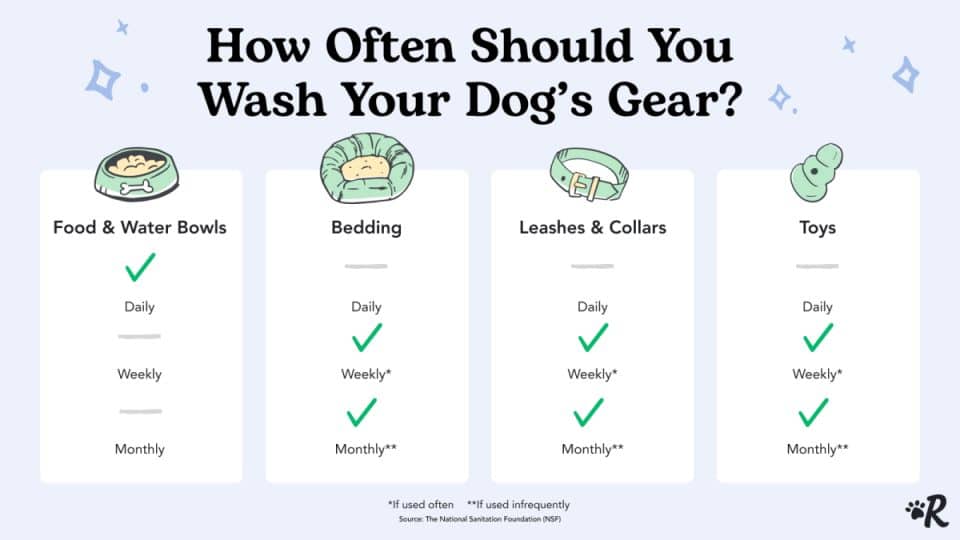
Image Source: www.rover.com
Why Washing Dog Toys Is So Important
Dog toys aren’t just fun; they’re germ magnets. Think about it: your dog chews on them, drags them around, buries them in the yard, and then brings them back inside. All that fun leads to a build-up of bacteria, dirt, and saliva.
- Germs and Bacteria: Dog toys can harbor harmful bacteria like E. coli and Salmonella, which can make your dog (or even you!) sick.
- Mold and Mildew: Wet toys left lying around can develop mold and mildew, especially plush toys.
- Bad Odors: Over time, the build-up of saliva and dirt can make toys smell pretty unpleasant.
- Extending Toy Life: Regularly cleaning your dog’s toys helps them last longer. Dirt and grime can break down the materials, causing them to fall apart faster.
Different Types of Dog Toys and Their Cleaning Needs
Not all dog toys are created equal, and that means they need different cleaning approaches. Here’s a breakdown:
Washing Stuffed Dog Toys & Plush Dog Toys
These are cozy and comforting, but also absorbent.
- Frequency: Wash every 1-2 weeks, or more often if visibly dirty.
- Method:
- Check the Label: Always look for a care label. If there is one, follow those instructions.
- Pre-Treat Stains: Use a stain remover or a mixture of baking soda and water to pre-treat any visible stains.
- Machine Wash: Place the toys in a mesh laundry bag to protect them. Wash on a gentle cycle with cold or warm water. Use a safe dog toy cleaning detergent, preferably one that is fragrance-free and dye-free.
- Drying: Tumble dry on low heat or, ideally, air dry completely. Make sure the toy is fully dry to prevent mold growth.
Washing Rubber Dog Toys
These are durable and often used for chewing.
- Frequency: Wash every week, or more often if used frequently.
- Method:
- Dishwasher (Top Rack): Many rubber toys are dishwasher safe. Place them on the top rack and run a normal cycle.
- Hand Washing: Use hot, soapy water and a scrub brush to remove any dirt or grime. Rinse thoroughly.
- Disinfecting: To disinfecting dog toys, soak them in a solution of equal parts water and white vinegar for 30 minutes. Rinse well.
Rope Toys
These are great for tug-of-war but can get very dirty.
- Frequency: Wash every 1-2 weeks.
- Method:
- Prepare: Check the toy for loose strands. Cut these off to prevent your dog from swallowing them.
- Machine Wash: Place the rope toy in a mesh laundry bag. Wash on a gentle cycle with hot water and a safe dog toy cleaning detergent.
- Drying: Tumble dry on low heat or air dry completely. It’s important to make sure the rope is fully dry to prevent mold and mildew.
Plastic Toys
These are easy to clean and often come in fun shapes.
- Frequency: Wash every week.
- Method:
- Hand Washing: Use hot, soapy water and a sponge to clean the toys.
- Disinfecting: Wipe the toys down with a homemade dog toy cleaner made from diluted white vinegar or hydrogen peroxide (make sure to rinse thoroughly after).
Step-by-Step Guide to Washing Dog Toys
Here’s a more detailed look at how to clean your dog’s toys, broken down by method:
Machine Washing Dog Toys
This is great for plush toys, rope toys, and some durable rubber or plastic toys.
- Gather Your Supplies:
- Mesh laundry bag
- Dog-safe detergent (fragrance-free and dye-free)
- Stain remover (optional)
- Prepare the Toys:
- Check for any loose parts or damage. Repair or discard any unsafe toys.
- Pre-treat any stains with a stain remover or a paste of baking soda and water.
- Load the Washing Machine:
- Place the toys in the mesh laundry bag to protect them from damage.
- Add the dog-safe detergent.
- Wash the Toys:
- Use a gentle cycle with cold or warm water.
- Add an extra rinse cycle to remove any lingering detergent.
- Dry the Toys:
- Tumble dry on low heat or air dry completely.
- Ensure toys are completely dry before giving them back to your dog.
Hand Washing Dog Toys
This is ideal for delicate toys or those that can’t go in the washing machine.
- Gather Your Supplies:
- Hot, soapy water
- Scrub brush or sponge
- Clean towel
- Wash the Toys:
- Scrub the toys thoroughly with hot, soapy water to remove dirt and grime.
- Pay special attention to any crevices or textured areas.
- Rinse the Toys:
- Rinse the toys thoroughly under running water until all the soap is gone.
- Dry the Toys:
- Use a clean towel to dry the toys.
- Allow them to air dry completely before giving them back to your dog.
Disinfecting Dog Toys
Disinfecting kills bacteria and germs, offering an extra level of cleanliness.
- Choose Your Disinfectant:
- White Vinegar: A natural disinfectant. Mix equal parts white vinegar and water.
- Hydrogen Peroxide: A mild disinfectant. Use a 3% solution and dilute it with water.
- Commercial Disinfectant: Make sure it’s safe for pets and follow the instructions carefully.
- Soak or Wipe the Toys:
- Soak the toys in the disinfectant solution for 15-30 minutes.
- Alternatively, wipe the toys down thoroughly with the disinfectant.
- Rinse the Toys:
- Rinse the toys thoroughly under running water until all traces of the disinfectant are gone.
- Dry the Toys:
- Allow the toys to air dry completely before giving them back to your dog.
Natural Dog Toy Cleaner Options
If you prefer natural cleaning dog toys, here are some great options:
- White Vinegar: As mentioned, it’s a great disinfectant and deodorizer.
- Baking Soda: Helps to remove odors and stains. Mix with water to create a paste.
- Lemon Juice: Has antibacterial properties and can help to freshen toys. Dilute with water.
- Essential Oils: Some essential oils, like lavender and chamomile, have antibacterial properties and are safe for dogs in diluted form. However, use caution and consult with your veterinarian before using essential oils, as some can be toxic to dogs.
Recipe for Homemade Dog Toy Cleaner
Here’s a simple recipe for a homemade dog toy cleaner:
- 1 cup water
- 1/2 cup white vinegar
- 1 tablespoon baking soda
- A few drops of dog-safe essential oil (optional)
Mix all ingredients in a spray bottle. Spray on the toys, let sit for a few minutes, then rinse thoroughly.
Signs It’s Time to Replace a Dog Toy
Even with regular cleaning, some toys eventually need to be replaced. Here are some signs it’s time to say goodbye:
- Damage: If the toy is torn, ripped, or has loose parts, it’s a safety hazard.
- Excessive Wear: If the toy is excessively worn, it may be harboring bacteria that can’t be removed.
- Persistent Odor: If the toy still smells bad after washing, it’s time to replace it.
- Changes in Texture: If the toy has become sticky or slimy, it may be breaking down and should be discarded.
Tips for Keeping Dog Toys Clean Longer
Here are some tips to help you keep your dog’s toys cleaner for longer:
- Rotate Toys: Rotate your dog’s toys regularly to prevent any one toy from getting too dirty.
- Designate Play Areas: Designate specific areas for play to contain the mess.
- Rinse After Use: Rinse toys with water after each use, especially if they’ve been outside.
- Store Toys Properly: Store toys in a clean, dry place to prevent mold and mildew growth.
Choosing Safe Dog Toys
Choosing safe toys is as important as cleaning them.
- Material Matters: Opt for toys made from non-toxic materials.
- Size Matters: Choose toys that are appropriately sized for your dog to prevent choking hazards.
- Supervise Playtime: Always supervise your dog during playtime to ensure they’re playing safely.
- Avoid Small Parts: Avoid toys with small parts that can be easily swallowed.
Fathoming Dog Toy Materials
Different dog toys use different materials, each with unique properties affecting cleaning and safety.
| Material | Cleaning Method | Considerations |
|---|---|---|
| Natural Rubber | Dishwasher safe (top rack), hand wash with soapy water | Durable, but can degrade over time. Check for cracks. |
| Nylon | Machine washable in a mesh bag, air dry | Very durable, but can become sharp when chewed. Inspect regularly. |
| Plush | Machine washable on gentle cycle, air dry or low heat | Absorbs odors and moisture. Ensure complete drying to prevent mold. |
| Rope | Machine washable in a mesh bag, air dry | Can unravel. Trim loose strands to prevent ingestion. |
| Plastic (PVC-Free) | Hand wash with soapy water, vinegar solution | Check for bite marks and cracks. Some plastics can leach chemicals when damaged. |
Frequently Asked Questions (FAQ)
- Can I use bleach to clean dog toys? No, bleach is not recommended. It can be harmful to dogs if ingested.
- What is the best way to sanitize dog toys? Using a solution of equal parts white vinegar and water is a safe and effective way to sanitize dog toys.
- How often should I wash my dog’s toys? Wash your dog’s toys every 1-2 weeks, or more often if they are visibly dirty.
- Is it safe to put dog toys in the dishwasher? Some rubber and plastic toys are dishwasher safe (top rack only). Check the manufacturer’s instructions.
- What kind of detergent should I use? Use a dog-safe detergent that is fragrance-free and dye-free.
- My dog destroys toys quickly. What kind of toys are best? Look for durable toys made from natural rubber or reinforced nylon. Always supervise your dog during playtime.
By following these tips, you can ensure your dog’s toys are clean, safe, and long-lasting, contributing to their overall health and happiness. Regular cleaning dog toys ensures a healthier environment for both you and your furry friend. Remember, a clean toy is a happy toy!