
Sudden hind leg weakness in dogs, also known as canine hind limb weakness, can have many causes. Dog paralysis causes range from injuries and diseases to age-related issues. What is important is to seek veterinary care immediately to determine the underlying cause and begin appropriate treatment.
This article will explore the various dog paralysis causes, helping you understand what might be happening to your furry friend and what steps you can take. We will cover common conditions like IVDD in dogs, degenerative myelopathy, fibrocartilaginous embolism (FCE), spinal cord injury dog, geriatric dog leg weakness, nerve damage dogs, hip dysplasia hind leg weakness, and arthritis in dogs back legs.
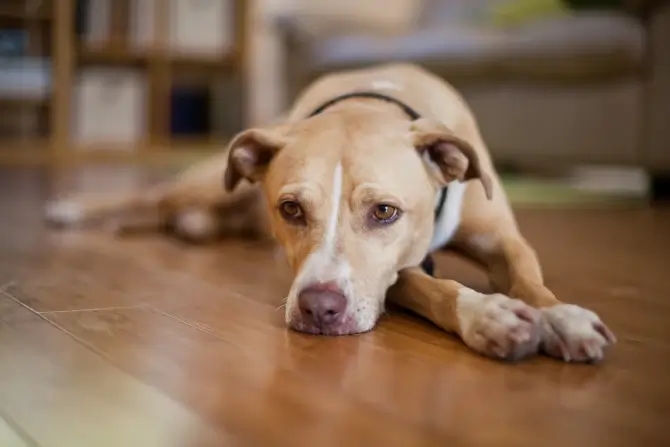
Image Source: carecharlotte.com
Recognizing Hind Leg Weakness
Before diving into the causes, it’s vital to recognize the signs of hind leg weakness in dogs. Symptoms can vary depending on the severity and underlying cause. Keep an eye out for:
- Stiffness: Difficulty getting up or moving around.
- Limping: Favoring one leg over the other.
- Dragging: One or both hind legs dragging along the ground.
- Wobbling: An unsteady gait or loss of balance.
- Knuckling: Walking on the top of the foot instead of the paw pad.
- Incontinence: Loss of bladder or bowel control.
- Pain: Whining, yelping, or showing signs of discomfort when touched.
- Paralysis: Complete inability to move the hind legs.
Any of these symptoms warrant a vet visit, especially if they appear suddenly.
Common Causes of Sudden Hind Leg Weakness
Several conditions can lead to sudden hind leg weakness in dogs. Some are more common than others, and the likelihood can depend on the dog’s breed, age, and overall health.
Intervertebral Disc Disease (IVDD) in Dogs
IVDD in dogs is a common spinal condition that affects the discs between the vertebrae. These discs act as cushions, but they can degenerate or rupture, putting pressure on the spinal cord.
- What is IVDD? It is when the discs in the spine break down and push on the spinal cord.
- Breeds at Risk: Dachshunds, Corgis, Beagles, and other breeds with long backs are predisposed to IVDD.
- Symptoms: Pain, reluctance to move, hunched back, hind leg weakness, paralysis, and loss of bladder/bowel control.
- Treatment: Options range from conservative management (rest, pain medication) to surgery, depending on the severity.
| Severity of IVDD | Symptoms | Treatment Options |
|---|---|---|
| Mild | Pain, reluctance to move, slight weakness. | Rest, pain medication, anti-inflammatory drugs. |
| Moderate | Noticeable weakness, difficulty walking. | Strict rest, pain medication, anti-inflammatory drugs, muscle relaxants, possible referral to a neurologist. |
| Severe | Paralysis, loss of bladder/bowel control. | Emergency veterinary care, surgery to relieve pressure on the spinal cord, intensive rehabilitation. |
| Very Severe (loss of pain) | Paralysis, loss of bladder/bowel control, no sensation of pain. | Emergency veterinary care, surgery may be considered if done very quickly to relieve pressure on the spinal cord, intensive rehabilitation. (Prognosis decreases once pain sensation is lost). |
Degenerative Myelopathy
Degenerative myelopathy is a progressive disease of the spinal cord, primarily affecting older dogs.
- What is degenerative myelopathy? It is a disease that slowly damages the spinal cord in older dogs.
- Breeds at Risk: German Shepherds, Boxers, and Pembroke Welsh Corgis are commonly affected.
- Symptoms: Gradual onset of hind leg weakness, loss of coordination, dragging of the hind feet, and eventual paralysis.
- Diagnosis: Diagnosis involves ruling out other conditions. Genetic testing can identify at-risk dogs.
- Treatment: There is no cure. Treatment focuses on managing symptoms with physical therapy and supportive care to maintain quality of life.
Fibrocartilaginous Embolism (FCE)
Fibrocartilaginous embolism (FCE) occurs when a piece of cartilage blocks blood flow to the spinal cord.
- What is FCE? It is a blockage of a blood vessel in the spinal cord by cartilage.
- Cause: Often occurs during exercise or trauma, though the exact cause is unknown.
- Symptoms: Sudden onset of hind leg weakness or paralysis, often without pain.
- Diagnosis: MRI is often used to confirm the diagnosis.
- Treatment: Primarily supportive care, including physical therapy and rehabilitation. Many dogs improve with time and intensive therapy.
Spinal Cord Injury
Spinal cord injury dog scenarios can range from mild to severe, resulting from trauma.
- Causes: Car accidents, falls, or other traumatic events.
- Symptoms: Vary depending on the location and severity of the injury. May include pain, weakness, paralysis, and loss of bladder/bowel control.
- Diagnosis: X-rays, CT scans, or MRI are used to assess the extent of the injury.
- Treatment: May involve surgery, medication, and rehabilitation.
Geriatric Dog Leg Weakness
Geriatric dog leg weakness is common as dogs age, often due to arthritis or other age-related conditions.
- Causes: Arthritis, muscle loss (sarcopenia), and decreased nerve function.
- Symptoms: Stiffness, difficulty getting up, limping, and decreased activity levels.
- Management: Weight management, regular exercise, pain medication, joint supplements, and physical therapy.
Nerve Damage
Nerve damage dogs experience can arise from various sources, impacting motor function.
- Causes: Trauma, tumors, infections, or metabolic disorders (e.g., diabetes).
- Symptoms: Weakness, paralysis, muscle atrophy, and decreased reflexes.
- Diagnosis: Neurological examination and diagnostic imaging are essential.
- Treatment: Depends on the underlying cause and may include medication, surgery, or physical therapy.
Hip Dysplasia
Hip dysplasia hind leg weakness can manifest as the condition progresses.
- What is hip dysplasia? It is when the hip joint doesn’t form correctly.
- Breeds at Risk: Large breed dogs like German Shepherds, Labrador Retrievers, and Rottweilers.
- Symptoms: Limping, stiffness, difficulty rising, and decreased activity levels.
- Diagnosis: X-rays are used to diagnose hip dysplasia.
- Treatment: Weight management, exercise restriction, pain medication, joint supplements, and surgery.
Arthritis
Arthritis in dogs back legs can cause pain and mobility issues.
- What is arthritis? It is the inflammation of joints.
- Causes: Age-related wear and tear, injury, or underlying conditions.
- Symptoms: Stiffness, limping, pain, and decreased range of motion.
- Treatment: Weight management, exercise restriction, pain medication, joint supplements, and physical therapy.
Diagnostic Procedures
If your dog is experiencing sudden hind leg weakness, your veterinarian will perform a thorough physical and neurological examination. Diagnostic tests may include:
- Blood Tests: To rule out underlying medical conditions.
- Urinalysis: To check for urinary tract infections or other urinary problems.
- X-rays: To assess the spine and hips.
- CT Scan: Provides detailed images of the bones and soft tissues.
- MRI: Provides detailed images of the spinal cord and surrounding tissues.
- Myelogram: Involves injecting dye into the spinal canal to enhance X-ray images.
- Cerebrospinal Fluid (CSF) Analysis: To check for inflammation or infection in the brain and spinal cord.
Treatment Options
Treatment for hind leg weakness depends on the underlying cause. Options include:
- Medication:
- Pain relievers (NSAIDs, opioids)
- Anti-inflammatory drugs (steroids)
- Muscle relaxants
- Antibiotics (for infections)
- Nerve pain medication (gabapentin)
- Surgery: May be necessary for IVDD, spinal cord injuries, or tumors.
- Physical Therapy: Helps improve strength, flexibility, and range of motion. Techniques include:
- Massage
- Stretching
- Hydrotherapy (underwater treadmill)
- Therapeutic exercises
- Laser therapy
- Acupuncture
- Supportive Care:
- Rest
- Weight management
- Assisted walking devices (e.g., slings, harnesses)
- Soft bedding
- Preventing pressure sores
- Maintaining hygiene
- Alternative Therapies:
- Acupuncture
- Chiropractic care
Home Care and Management
Can I help my dog at home? Yes, home care is crucial for dogs with hind leg weakness. Here are some tips:
- Provide a comfortable and supportive environment: Use soft bedding and keep the dog warm.
- Assist with mobility: Use a sling or harness to help the dog walk.
- Prevent pressure sores: Regularly check the dog’s skin and provide adequate padding.
- Maintain hygiene: Keep the dog clean and dry to prevent skin infections.
- Provide proper nutrition: Feed a balanced diet to maintain a healthy weight.
- Administer medications as prescribed: Follow your veterinarian’s instructions carefully.
- Regular exercise: As recommended by your vet or physical therapist.
- Monitor for complications: Watch for signs of pain, infection, or pressure sores.
When to Seek Emergency Veterinary Care
Seek immediate veterinary care if your dog experiences:
- Sudden paralysis.
- Loss of bladder or bowel control.
- Severe pain.
- Difficulty breathing.
- Any other concerning symptoms.
Prevention
While not all causes of hind leg weakness are preventable, there are steps you can take to reduce the risk:
- Maintain a healthy weight: Obesity puts extra stress on the joints and spine.
- Provide regular exercise: Helps maintain muscle strength and flexibility.
- Avoid strenuous activities: Especially for breeds prone to IVDD or hip dysplasia.
- Use ramps or steps: To help dogs get on and off furniture or in and out of the car.
- Regular veterinary checkups: Early detection and treatment of underlying conditions can help prevent complications.
FAQ: Sudden Hind Leg Weakness in Dogs
Here are some frequently asked questions about sudden hind leg weakness in dogs:
What is the most common cause of hind leg weakness in older dogs?
Arthritis is the most common cause, often accompanied by muscle loss.
Can hind leg weakness in dogs be reversed?
It depends on the underlying cause. Some conditions, like IVDD, may be treatable with surgery, while others, like degenerative myelopathy, are progressive and irreversible.
How can I tell if my dog is in pain?
Signs of pain include whining, yelping, panting, reluctance to move, hiding, and changes in appetite.
Is physical therapy helpful for dogs with hind leg weakness?
Yes, physical therapy can improve strength, flexibility, and range of motion.
Can a dog recover from paralysis in the hind legs?
Recovery depends on the underlying cause and the severity of the paralysis. Some dogs may regain full function, while others may require ongoing supportive care.
How much does treatment cost?
Treatment costs vary greatly depending on the diagnosis and the treatment needed. Diagnostics like X-rays can start at a few hundred dollars, while surgery can cost thousands.
Sudden hind leg weakness in dogs can be a frightening experience. By understanding the potential causes, recognizing the symptoms, and seeking prompt veterinary care, you can help your furry friend receive the best possible treatment and support.