
If you’ve found a stray dog and are wondering, “Where can I take a stray dog?”, the first step is to prioritize the dog’s safety and well-being. Several options exist, including animal shelters, local rescues, contacting animal control, and even dog fostering while you search for the owner or a permanent home. This guide will walk you through each possibility, offering practical advice and essential information to help you make the best decision for the dog.
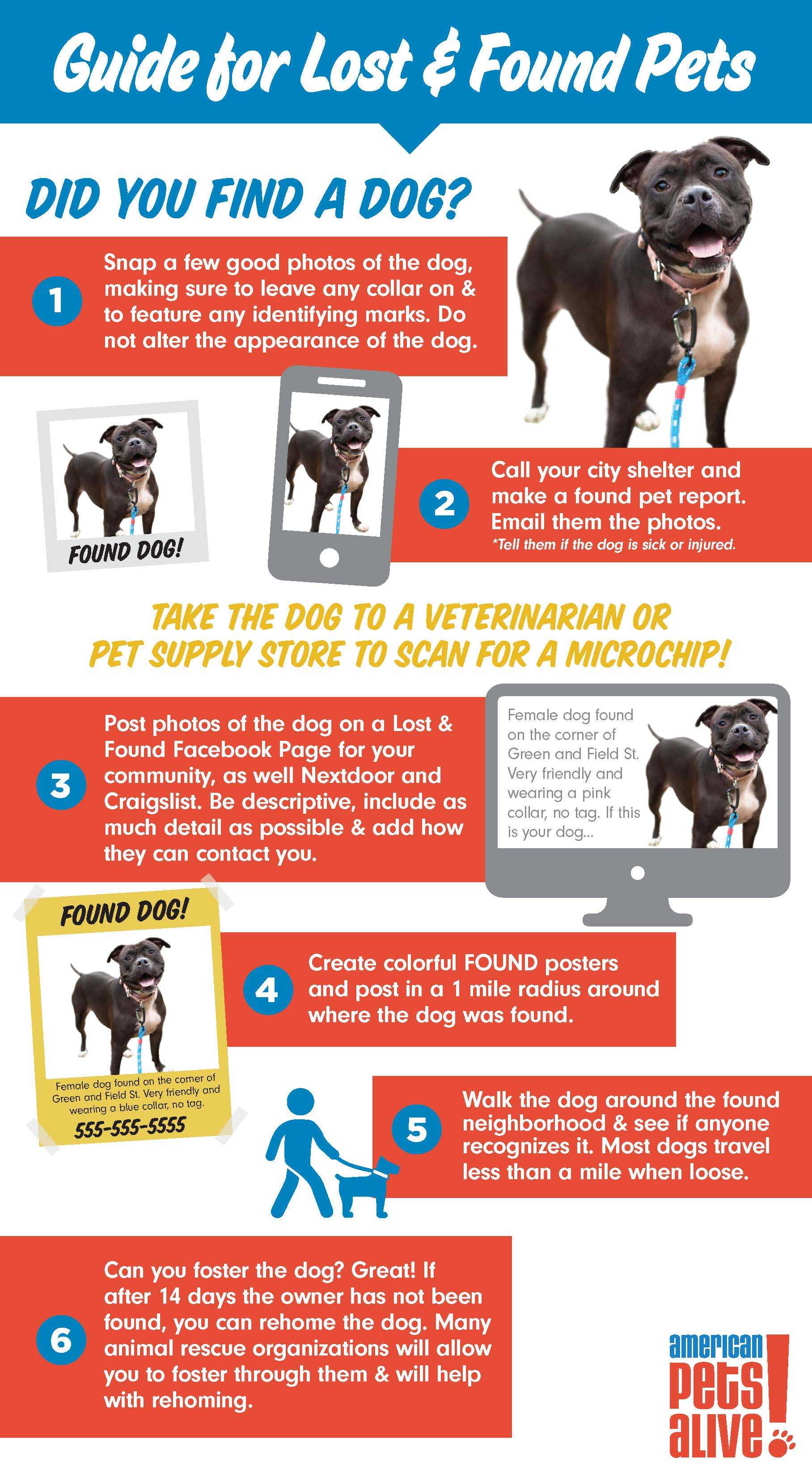
Image Source: americanpetsalive.org
Initial Steps When You Find a Stray Dog
Before deciding where to take a stray, take these initial steps:
-
Safety First: Approach the dog cautiously. Speak calmly and extend your hand slowly, allowing the dog to sniff you. If the dog seems scared or aggressive, do not approach. Instead, contact animal control for assistance.
-
Check for Identification: Look for a collar with ID tags. If there is a tag, call the owner immediately. Even without a tag, the dog may be microchipped.
-
Confine the Dog: If the dog is friendly and allows you to approach, try to confine it in a safe, enclosed area like your yard or a spare room. Make sure the area is secure to prevent escape.
-
Provide Basic Needs: Offer the dog fresh water and food. Dry dog food is generally a safe option. Observe if the dog eats or drinks.
-
Take Pictures: Clear photos of the dog can be used when reporting the found dog and in online postings to help reunite the dog with its owner.
Checking for a Microchip
One of the quickest ways to find a dog’s owner is to check for a microchip.
How to Check for a Microchip
-
Veterinary Clinics: Take the dog to the nearest veterinary clinics. Most vets have a microchip scanner and can scan the dog for free.
-
Animal Shelters: Animal shelters also routinely scan for microchips when a stray dog is brought in.
-
Humane Society: Similar to animal shelters, the humane society often has microchip scanning capabilities.
What if the Dog Has a Microchip?
If the dog has a microchip, the vet or shelter can contact the microchip company to find the owner’s contact information. It’s important to note that the owner’s information must be up-to-date for this to work.
No Microchip Found?
If the dog doesn’t have a microchip, or the information is outdated, you’ll need to explore other avenues to find the owner or a suitable new home.
Reporting a Found Dog
Reporting the found dog is crucial for reuniting it with its owner.
Where to Report
-
Local Animal Shelters: Contact all local animal shelters to report the found dog. Provide a detailed description of the dog, including breed, size, color, and any distinguishing features.
-
Local Rescues: Contact local rescues, as they often have networks of foster homes and may be able to assist in finding the owner or a new home.
-
Humane Society: Report the found dog to your local humane society.
-
Animal Control: Contact animal control in your area. They may have a lost and found system or be able to assist with finding the owner.
Online Resources
-
Social Media: Post pictures and information about the found dog on social media platforms like Facebook, Instagram, and Nextdoor. Join local lost and found pet groups.
-
Lost Pet Websites: Websites like Petfinder, LostMyPet, and Craigslist have sections for found pets.
-
Flyers: Create flyers with the dog’s picture and your contact information and post them in your neighborhood, at local veterinary clinics, and pet supply stores.
Safe Havens for Stray Dogs
If you cannot locate the owner, you’ll need to find a safe haven for the dog. Here are some options:
Animal Shelters
Animal shelters are facilities that house stray, lost, or abandoned animals.
-
Pros:
- Provides temporary shelter and care for the dog.
- Attempts to reunite the dog with its owner.
- Offers dog adoption services to find the dog a new home.
- Provides basic veterinary care.
-
Cons:
- Shelters can be overcrowded and stressful for dogs.
- Dogs may be at risk of contracting illnesses in a shelter environment.
- Shelters may have limited resources for behavioral rehabilitation.
- Depending on the shelter’s policies and resources, there’s a possibility of euthanasia, especially for dogs with serious medical or behavioral issues.
Table: Factors to Consider When Choosing an Animal Shelter
Factor Description Shelter Policies Research the shelter’s policies on euthanasia, length of stay, and adoption procedures. Shelter Conditions Visit the shelter to assess the cleanliness, space, and overall environment. Resources Inquire about the shelter’s veterinary care, behavioral rehabilitation, and adoption programs. Reputation Read reviews and ask for recommendations from other pet owners or rescue organizations.
Local Rescues
Local rescues are organizations dedicated to rescuing and rehoming animals.
-
Pros:
- Often specialize in specific breeds or types of dogs.
- Provide foster care in a home environment, which can be less stressful than a shelter.
- Offer more personalized care and attention to each dog.
- Work to match dogs with suitable adoptive families.
- Often provide more extensive veterinary care and behavioral rehabilitation.
-
Cons:
- May have limited space and resources.
- May have specific requirements for accepting a dog (e.g., breed restrictions, health requirements).
- Finding a breed-specific rescue may take time.
Humane Society
The humane society is an organization that works to prevent cruelty to animals and promote animal welfare.
-
Pros:
- Offers a range of services, including sheltering, adoption, and education.
- Advocates for animal rights and welfare.
- May have programs to assist with veterinary care and spay/neuter services.
-
Cons:
- Like animal shelters, humane societies can be overcrowded.
- Resources may be limited depending on the location and funding.
Dog Fostering
Dog fostering involves providing temporary care for a dog in your home until a permanent home can be found.
-
Pros:
- Provides a comfortable and loving environment for the dog.
- Allows you to assess the dog’s personality and needs.
- Helps socialize the dog and prepare it for adoption.
- Can be a rewarding experience.
-
Cons:
- Requires time, patience, and commitment.
- May involve some expense (e.g., food, supplies).
- You may become attached to the dog and find it difficult to give it up.
- If you have other pets, there’s a possibility of conflicts or introducing disease.
Table: Considerations for Dog Fostering
Consideration Description Time Commitment Fostering requires dedicating time to care for, train, and socialize the dog. Space You need adequate space in your home to comfortably accommodate the dog. Other Pets Consider how the foster dog will interact with your existing pets. Financial Resources Be prepared to cover some of the costs of food, supplies, and potentially veterinary care. Emotional Attachment Be prepared to say goodbye when the dog finds a permanent home.
Other Options to Consider
Veterinary Clinics
While veterinary clinics are not typically long-term shelters, they can provide temporary care and assistance.
-
Pros:
- Can provide immediate medical attention if the dog is injured or sick.
- Can scan for a microchip.
- May be able to connect you with local rescues or shelters.
-
Cons:
- Veterinary clinics are not equipped to provide long-term care.
- Costs for medical treatment can be expensive.
Animal Control
Animal control is a government agency responsible for enforcing animal-related laws and regulations.
-
Pros:
- Can assist with capturing and transporting stray dogs.
- May have a shelter or partner with local shelters.
- Can investigate animal cruelty or neglect cases.
-
Cons:
- May have limited resources and be unable to respond to all calls.
- Animal control officers may be required to euthanize dogs in certain circumstances.
Surrender Options
If you are unable to care for the dog, you may need to consider surrender options.
- Contact Local Shelters and Rescues: Explain your situation and ask if they can accept the dog. Be honest about the dog’s history, behavior, and any medical issues.
- Owner Surrender Fees: Some shelters and rescues may charge a surrender fee to help cover the costs of caring for the dog.
- Considerations: Surrendering a dog should be a last resort. It can be a difficult and emotional decision, but it’s important to prioritize the dog’s well-being.
Finding a New Home
If you decide to keep the dog temporarily while searching for a permanent home, here are some tips:
- Assess the Dog’s Temperament: Observe the dog’s behavior around people and other animals. Identify any potential behavioral issues.
- Provide Training: Basic obedience training can help make the dog more adoptable.
- Socialize the Dog: Expose the dog to different environments, people, and animals to help it become well-adjusted.
- Screen Potential Adopters: Carefully screen potential adopters to ensure they can provide a loving and responsible home for the dog.
- Adoption Agreements: Use an adoption agreement to outline the terms of the adoption and protect the dog’s welfare.
Ethical Considerations
- Do Not Abandon the Dog: Abandoning a dog is illegal and inhumane.
- Be Honest: Be honest about the dog’s history, behavior, and medical issues when seeking a new home or surrendering the dog to a shelter or rescue.
- Consider the Dog’s Best Interests: Make decisions that prioritize the dog’s well-being and safety.
- Support Animal Welfare Organizations: Consider donating to or volunteering with local animal shelters and rescues to support their efforts.
Frequently Asked Questions (FAQ)
What is the first thing I should do if I find a stray dog?
The first thing you should do is ensure the dog’s safety and your own. Approach cautiously, check for identification, and confine the dog in a safe area.
Can I keep a stray dog I found?
You can keep a stray dog, but first, you must make reasonable efforts to find the owner. This includes checking for a microchip, reporting the dog to local shelters and rescues, and posting online.
Who is responsible for stray dogs?
Responsibility for stray dogs typically falls to local animal control agencies, animal shelters, and rescue organizations.
What are surrender options if I can’t keep the dog?
Surrender options include contacting local animal shelters and rescues. Be prepared to pay a surrender fee and provide information about the dog’s history and behavior.
How can I help reduce the number of stray dogs?
You can help reduce the number of stray dogs by supporting spay/neuter programs, promoting responsible pet ownership, and advocating for stricter animal welfare laws.
What is the best way to find a lost dog’s owner?
The best way to find a lost dog’s owner is to check for a microchip, report the found dog to local shelters and rescues, post online with photos and descriptions, and create flyers for the local neighborhood.
By following these steps, you can help ensure the safety and well-being of a stray dog and increase its chances of finding its way back home or into a loving new family.