
Why do dogs bark at people? Dogs bark at people for many reasons, including fear, territoriality, excitement, and communication. Understanding these reasons is the first step in addressing unwanted barking behavior.
Barking is a natural canine behavior. It’s how dogs communicate, express their emotions, and interact with their environment. However, excessive or inappropriate barking, especially dog barking at strangers, can be frustrating for owners and neighbors alike. This comprehensive guide explores the common reasons why dogs bark at people and provides practical strategies for managing and modifying this behavior.
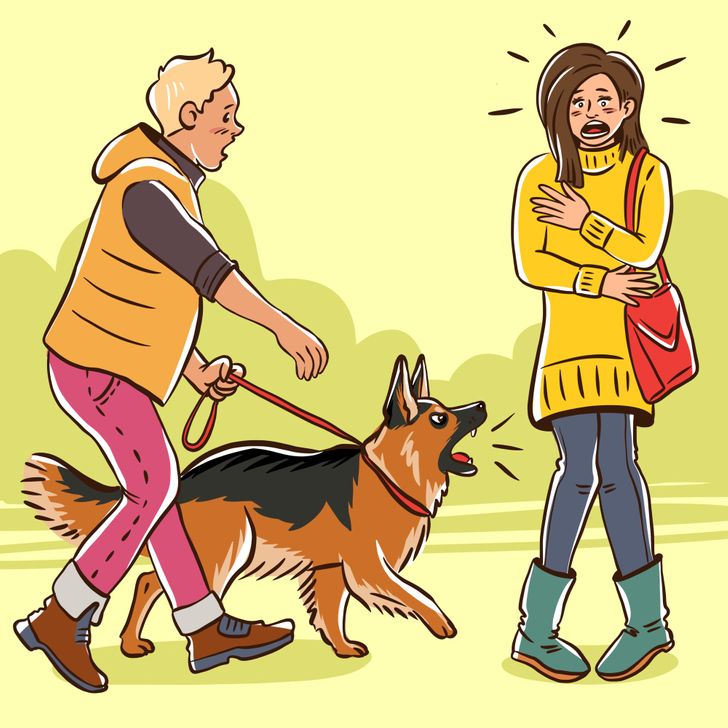
Image Source: wl-brightside.cf.tsp.li
Decoding Dog Barks: A Guide to Common Triggers
Interpreting dog vocalizations isn’t always straightforward. While we might assume all barks are the same, different barks can mean different things. A low, guttural growl combined with barking usually signals a threat. A high-pitched, rapid bark can indicate excitement or playfulness. By carefully observing your dog’s body language and the context of the barking, you can begin to decipher the message.
Here’s a breakdown of some common reasons why dogs bark at people:
- Territorial Barking: This is a common reason for dog barking at strangers. Dogs are naturally territorial animals. They see their home, yard, or even their owners as their territory and will bark to defend it. This is often accompanied by posturing, like stiff legs and raised hackles.
- Fear Aggression in Dogs: If a dog feels threatened or scared, they may bark to create distance between themselves and the perceived threat. This is often seen in fearful dogs or dogs with a history of trauma. Their body language might include a tucked tail, flattened ears, and a general posture of submission, even while barking aggressively.
- Protective Barking: Similar to territoriality, this occurs when a dog feels the need to protect their owner from a perceived threat. This is driven by a strong bond with their human family.
- Frustration/Attention Seeking: Dogs might bark when they are bored, lonely, or seeking attention. This type of barking is often repetitive and may be accompanied by other attention-seeking behaviors, like pawing or whining.
- Excitement Barking: When dogs are excited, such as when greeting visitors or playing, they may bark out of enthusiasm. This type of barking is usually high-pitched and accompanied by playful body language.
- Greeting Barking: Some dogs bark when they see someone they know to express their excitement and happiness.
- Alert/Warning Barking: Dogs may bark to alert their owners to something they perceive as unusual or potentially dangerous, such as a strange noise or a person approaching the house.
- Compulsive Barking: In some cases, barking can become a compulsive behavior, similar to obsessive-compulsive disorder in humans. This type of barking is often repetitive, seemingly without cause, and difficult to interrupt.
- Learned Barking: Dogs learn through association. If a dog barks and gets a reaction (even negative attention), they may learn that barking is an effective way to get what they want.
Identifying Your Dog Barking Triggers
Understanding what triggers your dog’s barking is essential for developing an effective management plan. Keeping a detailed log of barking incidents can be incredibly helpful.
- What: Describe the specific situation when the barking occurred (e.g., someone walking by the house, a visitor ringing the doorbell).
- Where: Note the location where the barking occurred (e.g., the front window, the backyard).
- When: Record the time of day the barking occurred.
- Who: Identify who or what the dog was barking at (e.g., a stranger, a delivery person, another dog).
- How: Describe the dog’s body language and the type of bark (e.g., high-pitched, low growl, repetitive).
- Reaction: How did you react or respond to the barking?
By analyzing this information, you can identify patterns and pinpoint the specific triggers that set off your dog’s barking. Dog barking triggers can be anything from the sight of the mailman to the sound of children playing nearby.
Strategies for Managing Unwanted Barking
Once you’ve identified the reasons for your dog’s barking and the specific triggers, you can start implementing strategies to manage and modify the behavior. It’s important to remember that consistency and patience are key. Dealing with reactive dogs requires commitment and a structured approach.
1. Desensitization and Counter-Conditioning
This technique involves gradually exposing your dog to the trigger at a low intensity and pairing it with something positive, like treats or praise. The goal is to change your dog’s emotional response to the trigger from negative (fear, anxiety) to positive (anticipation of reward).
Example: If your dog barks at people walking by the window, start by blocking the window partially so your dog can only see a blurry image. When someone walks by, immediately give your dog a high-value treat. Gradually increase the amount of window that is exposed as your dog gets more comfortable.
Important Note: Never force your dog to confront a trigger. If they show signs of stress (e.g., panting, lip licking, whale eye), you are moving too fast. Reduce the intensity of the trigger and proceed more slowly.
2. Management Techniques
Management involves making changes to your dog’s environment or routine to prevent barking from occurring in the first place.
- Block the View: Cover windows or use frosted window film to prevent your dog from seeing triggers outside.
- Create a Safe Space: Provide your dog with a comfortable and secure den where they can retreat when they feel overwhelmed. This could be a crate, a bed in a quiet room, or even just a blanket in a corner.
- Provide Plenty of Exercise and Mental Stimulation: A tired dog is less likely to bark out of boredom or frustration. Make sure your dog gets plenty of physical exercise (walks, runs, playtime) and mental stimulation (puzzle toys, training sessions).
- White Noise: Use a fan, white noise machine, or TV to mask outside noises that might trigger barking.
- Avoid Reinforcing Barking: If your dog is barking for attention, avoid giving them any attention, even negative attention like yelling. Only give them attention when they are quiet.
3. Training Techniques
Training can be an effective way to teach your dog alternative behaviors to barking.
- “Quiet” Command: Teach your dog a “quiet” command. Start by rewarding them for being quiet, then gradually introduce the cue “quiet” just before they stop barking. Over time, they will learn to associate the word with the desired behavior.
- “Leave It” Command: This command teaches your dog to ignore distractions and focus on you. This can be helpful for managing barking triggered by things like squirrels or other animals.
- “Go to Your Place” Command: Teach your dog to go to their designated “place” (e.g., their bed) on command. This can be helpful for managing barking when guests arrive.
- Positive Reinforcement: Use positive reinforcement techniques, such as treats, praise, and toys, to reward your dog for good behavior. Avoid punishment, as it can create fear and anxiety and worsen the problem.
4. Stop Dog Barking at Guests
Having guests over can be stressful if your dog is prone to barking. Here’s how to mitigate this problem:
- Pre-Guest Exercise: Tire your dog out with a good walk or play session before guests arrive.
- Safe Space: Before your guests arrive, put your dog in their safe space with a favorite toy or chew.
- Leashed Greetings: Keep your dog on a leash when greeting guests to maintain control.
- Treats From Guests: Have guests offer your dog treats to create positive associations.
- Ignore Barking: If your dog starts barking, have guests ignore the behavior. Focus on rewarding quiet behavior.
5. When to Seek Professional Help
If you are struggling to manage your dog’s barking on your own, it’s important to seek professional help from a certified dog trainer or a veterinary behaviorist.
A professional can:
- Assess your dog’s behavior and identify the underlying causes of the barking.
- Develop a customized training plan tailored to your dog’s specific needs.
- Provide guidance and support to help you implement the training plan effectively.
- Rule out any underlying medical conditions that may be contributing to the barking.
- Recommend medication if necessary to help manage anxiety or other behavioral issues.
Fathoming Dog Behavior: Beyond Barking
It’s important to remember that excessive barking is often a symptom of a deeper issue, such as anxiety, fear, or boredom. Addressing these underlying issues is crucial for long-term success. Always prioritize your dog’s well-being and seek professional help when needed. True success involves helping your dog feel more secure and confident in their environment, reducing their need to bark in the first place. Understanding dog behavior is a lifelong journey.
Table: Common Barking Scenarios and Potential Solutions
| Scenario | Potential Causes | Management/Training Solutions |
|---|---|---|
| Dog barking at people walking by | Territoriality, Fear, Alerting | Block view, Desensitization/Counter-conditioning, “Quiet” command, Provide alternative activities |
| Dog barking when guests arrive | Excitement, Territoriality, Protective Behavior | Pre-guest exercise, Safe space, Leashed greetings, Treats from guests, “Go to your place” command |
| Dog barking when left alone | Separation Anxiety, Boredom | Increase exercise, Puzzle toys, Desensitization to departure cues, Medication (if recommended by vet), Professional trainer |
| Dog barking at other dogs | Reactivity, Fear, Territoriality | Avoid trigger situations, Desensitization/Counter-conditioning, “Leave it” command, Professional trainer |
| Dog barking at noises (e.g., sirens) | Anxiety, Alerting | White noise, Safe space, Desensitization/Counter-conditioning |
| Dog barking repetitively, without cause | Compulsive behavior, Medical condition | Veterinary check-up, Behavioral consultation, Medication (if recommended by vet), Increased mental and physical stimulation |
FAQs About Dog Barking
Q: What is the most effective way to stop a dog from barking?
A: The most effective way to stop a dog from barking depends on the underlying cause of the barking. Identifying the triggers and reasons for the barking is the first step. Management techniques, training, desensitization, and counter-conditioning are all effective tools, and a combination of these strategies is often the best approach. Seeking professional help from a certified dog trainer or veterinary behaviorist can provide tailored solutions.
Q: Can I use a bark collar to stop my dog from barking?
A: Bark collars, especially those that deliver a shock, are generally not recommended. While they may suppress barking in the short term, they can cause fear, anxiety, and aggression, and can damage the dog-owner relationship. Positive reinforcement methods are more humane and effective in the long run.
Q: What do I do if my dog’s barking is disturbing my neighbors?
A: Communication is key. Talk to your neighbors and explain that you are working on the problem. Keep a record of barking incidents and the steps you are taking to address them. Consider offering solutions, such as soundproofing measures or adjusting your dog’s outdoor time. If necessary, involve a mediator to help resolve the situation.
Q: Who is best to contact if I can’t manage my dog’s barking?
A: If you are struggling to manage your dog’s barking, the best initial contacts are a certified professional dog trainer or a veterinary behaviorist. A certified trainer can help you implement effective training techniques, while a veterinary behaviorist can address any underlying medical or psychological issues contributing to the barking.
Q: How can I tell if my dog is barking out of fear or aggression?
A: Observing your dog’s body language is crucial. Fearful dogs often exhibit signs of submission, such as a tucked tail, flattened ears, lip licking, and a general posture of trying to make themselves smaller. Aggressive dogs may display more assertive body language, such as stiff legs, raised hackles, bared teeth, and direct eye contact. The context of the barking and the specific triggers can also provide clues.