
Why do dogs scrape the carpet? Dogs scrape the carpet for several reasons, including instinct, marking territory, anxiety, boredom, and even health issues. This article delves into the various reasons behind this common canine behavior and offers potential solutions to curb destructive carpet digging.
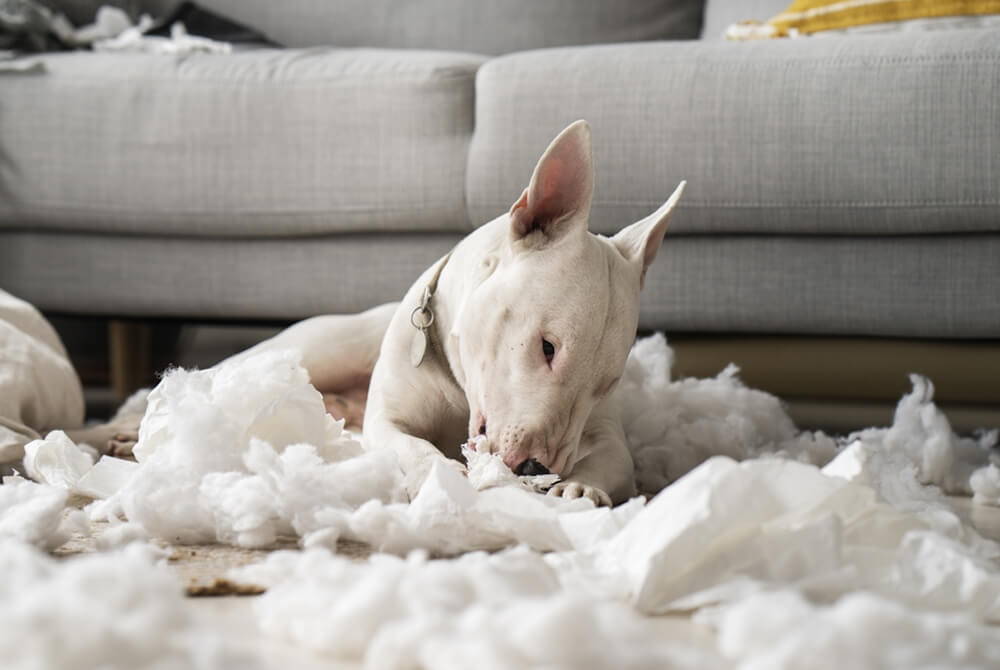
Image Source: wooffrills.com
Canine Carpet Capers: Decoding the Behavior
“Dog scratching carpet reasons” are varied, but they generally stem from a few core motivations. It’s crucial to identify the underlying cause to effectively address the behavior.
The Wild Within: Instinctual Scratching
Dogs retain many instincts from their wild ancestors. “Dog instinctual scratching” is one of them.
- Comfort and Temperature Regulation: Wild dogs would dig dens for shelter and to regulate their body temperature. Scratching at the carpet might be a diluted version of this den-building behavior. They may be trying to make the area more comfortable or cooler.
- Bedding Down: Before lying down, dogs often circle and scratch at their bedding. This behavior, inherited from their wolf ancestors, helps to flatten the grass or leaves in their sleeping area and ensure there are no hidden dangers like snakes or insects.
- Sharpening Claws: Scratching also helps dogs maintain their claws. The abrasive action of scratching against a surface like carpet naturally files down their nails.
Making Their Mark: Territory Marking
“Dog marking territory carpet” is a common explanation, especially among male dogs.
- Scent Glands: Dogs have scent glands in their paws. When they scratch, these glands release pheromones onto the surface. This leaves a scent marker that announces their presence to other animals.
- Visual Marker: The scratching action also creates a visual marker. The disturbed carpet fibers serve as a signpost.
- Stress Relief: Scent marking can also be a way for dogs to relieve stress or anxiety. The act of leaving their scent can provide a sense of security.
The Anxious Pup: Anxiety and Compulsive Behavior
“Dog anxiety carpet scratching” can be a manifestation of deeper emotional issues.
- Separation Anxiety: Dogs who are left alone for extended periods may develop separation anxiety. Scratching can be a displacement behavior, a way to release pent-up stress and frustration.
- Generalized Anxiety: Some dogs are simply prone to anxiety in general. Loud noises, unfamiliar people, or changes in routine can trigger anxious behaviors like scratching.
- Compulsive Disorders: In some cases, excessive scratching can be a sign of a compulsive disorder. These disorders are often rooted in anxiety and can require veterinary intervention.
Boredom Busters: Lack of Mental and Physical Stimulation
A bored dog is often a destructive dog. Lack of exercise and mental stimulation can lead to behaviors like scratching.
- Excess Energy: Dogs need regular exercise to burn off excess energy. If they don’t get enough physical activity, they may resort to destructive behaviors to release pent-up energy.
- Mental Stimulation: Dogs also need mental stimulation to prevent boredom. Puzzle toys, training sessions, and interactive games can help keep their minds engaged.
- Attention-Seeking: Sometimes, dogs scratch the carpet simply to get attention from their owners, even if it’s negative attention.
“Puppy Scratching Carpet”: The Youngster’s Explorations
Puppies explore the world using their senses, including touch and smell. “Puppy scratching carpet” can be a part of this exploration.
- Teething: Puppies go through teething, which can cause discomfort in their gums. Chewing and scratching can provide relief.
- Playfulness: Puppies are naturally playful and curious. Scratching at the carpet might simply be a way for them to explore their environment.
- Learning Boundaries: Puppies are still learning the rules of the house. Consistent training is important to teach them what behaviors are acceptable and what are not.
Hidden Hurts: Carpet Scratching Health Issues
While less common, “carpet scratching health issues” can sometimes be a factor.
- Skin Irritations: Underlying skin conditions can cause itching, which might lead to excessive scratching at surfaces like the carpet.
- Allergies: Environmental or food allergies can also cause skin irritation and itching.
- Parasites: Fleas, mites, or other parasites can cause intense itching, leading a dog to scratch at anything they can find.
Deciphering Dog Breed Scratching Tendencies
While any dog can scratch the carpet, some breeds are more prone to this behavior due to their inherent traits and energy levels. “Dog breed scratching tendencies” can offer insights into why your dog might be engaging in this activity.
| Breed | Tendency | Reason |
|---|---|---|
| Terriers | High | Bred to dig and hunt vermin. Their instinct to dig is very strong. |
| Herding Breeds | Moderate | High energy levels and a need for mental stimulation. Boredom can lead to destructive behaviors. |
| Working Breeds | Moderate | Similar to herding breeds, they require a job to do. Lack of purpose can cause unwanted behaviors. |
| High-Energy Breeds | High | Energetic breeds like Border Collies or Australian Shepherds needs a lot of exercise. |
It’s crucial to note that these are general tendencies. Individual dogs can vary greatly in their behavior.
Gauging The Damage: Identifying Carpet Digging Behavior
“Carpet digging behavior” manifests differently in dogs. Understanding the nuances of the behavior can aid in determining the underlying cause.
- Location: Where does your dog typically scratch the carpet? Is it always in the same spot, like near a door or window? This could indicate anxiety or a desire to escape.
- Timing: When does your dog scratch the carpet? Does it happen when you leave the house, or at a specific time of day? This can provide clues about the triggers for the behavior.
- Intensity: How intensely does your dog scratch the carpet? Is it a light scratching motion, or a full-blown digging frenzy? The intensity of the behavior can reflect the level of stress or frustration the dog is experiencing.
- Accompanying Behaviors: Does your dog exhibit other behaviors alongside scratching, such as whining, barking, or pacing? This can provide further insight into the dog’s emotional state.
Carpet Scratching Solutions: Stopping the Destruction
“Carpet scratching solutions” are varied, and the most effective approach will depend on the underlying cause of the behavior.
Addressing Instinctual Scratching
- Provide an Alternative Digging Outlet: If your dog’s scratching is driven by instinct, provide them with a designated digging area in your yard. Bury toys or treats in the area to encourage them to use it.
- Regular Nail Trimming: Keep your dog’s nails trimmed to minimize the damage they can do to the carpet.
- Provide Appropriate Bedding: Make sure your dog has a comfortable and supportive bed. This can help reduce the urge to scratch at the carpet to create a comfortable sleeping area.
Managing Anxiety
- Consult with a Veterinarian or Certified Dog Trainer: If you suspect your dog’s scratching is related to anxiety, seek professional help. A vet can rule out any underlying medical conditions, and a trainer can help you develop a behavior modification plan.
- Create a Safe Space: Provide your dog with a safe and comfortable space where they can retreat when they feel anxious. This could be a crate, a bed, or a quiet corner of the house.
- Use Calming Aids: There are a variety of calming aids available for dogs, such as pheromone diffusers, calming chews, and anxiety vests.
- Desensitization and Counterconditioning: Work with a trainer to gradually desensitize your dog to the triggers that cause anxiety. This involves exposing them to the trigger in small doses and rewarding them for remaining calm.
Combating Boredom
- Increase Exercise: Make sure your dog gets plenty of exercise each day. This could include walks, runs, playing fetch, or swimming.
- Provide Mental Stimulation: Engage your dog’s mind with puzzle toys, training sessions, and interactive games.
- Rotate Toys: Keep your dog interested in their toys by rotating them regularly. This prevents them from becoming bored with the same old toys.
Modifying Puppy Behavior
- Supervise Closely: Closely supervise your puppy to prevent them from scratching the carpet.
- Redirect Behavior: When you catch your puppy scratching, redirect their attention to an appropriate chew toy or activity.
- Positive Reinforcement Training: Use positive reinforcement to reward your puppy for good behavior. This helps them learn what behaviors are acceptable.
- Consistent Training: Be consistent with your training. Puppies learn best when they are given clear and consistent instructions.
Treating Underlying Health Issues
- Veterinary Examination: If you suspect your dog’s scratching is related to a health issue, take them to the vet for an examination.
- Allergy Testing: If your dog has allergies, your vet can perform allergy testing to identify the allergens.
- Medication: Your vet may prescribe medication to treat skin irritations, allergies, or other underlying health conditions.
Preventing Further Damage
- Carpet Protection: Use carpet protectors or rugs to cover areas that your dog is prone to scratching.
- Deterrents: Apply a taste deterrent to the carpet, such as bitter apple spray.
- Restrict Access: If possible, restrict your dog’s access to the areas where they scratch the carpet when you are not able to supervise them.
Frequently Asked Questions (FAQ)
Q: Is carpet scratching a sign of aggression?
A: No, carpet scratching is generally not a sign of aggression. It’s more often related to instinct, anxiety, boredom, or territory marking.
Q: Can I punish my dog for scratching the carpet?
A: Punishment is not an effective way to stop carpet scratching. It can actually make the behavior worse by increasing anxiety and fear. Focus on identifying the underlying cause of the scratching and addressing it with positive reinforcement and behavior modification techniques.
Q: How long does it take to stop a dog from scratching the carpet?
A: The amount of time it takes to stop a dog from scratching the carpet varies depending on the underlying cause of the behavior and the consistency of your training efforts. It can take weeks or even months to see significant improvement.
Q: When should I consult a professional about my dog’s carpet scratching?
A: Consult a veterinarian or certified dog trainer if:
- The scratching is excessive or causing damage.
- You suspect the scratching is related to anxiety or a compulsive disorder.
- You’ve tried various solutions without success.
- Your dog exhibits other concerning behaviors.
By carefully observing your dog’s behavior and identifying the underlying cause of their carpet scratching, you can implement effective solutions to stop the destruction and improve your dog’s well-being. Remember, patience and consistency are key to success.