
Why is my dog biting his tail? There are many reasons why a dog might bite his tail, ranging from simple irritation to more serious medical or behavioral issues. Identifying the cause is key to finding the right solution. This comprehensive guide will explore the various dog tail biting causes, discuss potential solutions, and help you understand how to address this behavior in your canine companion.
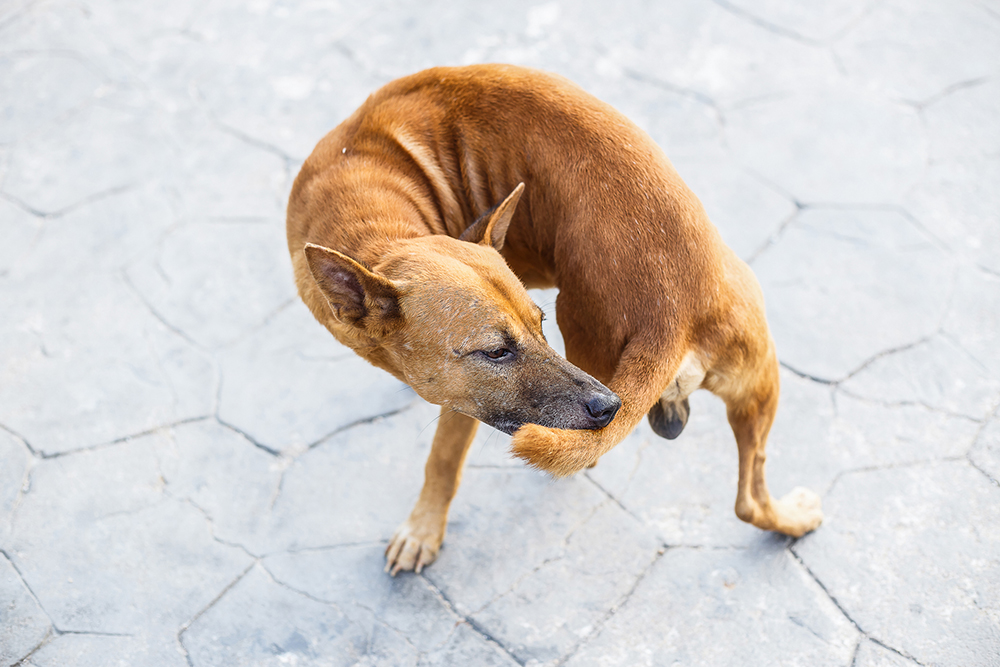
Image Source: pettownsendvet.com
Dissecting the Behavior: Dog Tail Biting Causes
Tail biting in dogs isn’t always a simple case of boredom. It can be a sign of underlying issues that need attention. Figuring out the root cause is the first step towards helping your dog.
Dog Skin Irritation Tail: When It Itches
One of the most common reasons for tail biting is simple skin irritation. The skin around the tail can become itchy and inflamed, prompting the dog to bite and chew at it for relief.
-
Fleas: Dog flea allergy tail biting is a frequent culprit. Flea bites can cause intense itching, especially at the base of the tail.
- Solution: Regular flea prevention is crucial. Talk to your vet about the best flea control products for your dog.
-
Allergies: Just like people, dogs can have allergies to food, pollen, or other environmental factors. These allergies can manifest as skin irritation, leading to tail biting.
-
Solution: Identify and eliminate allergens. This might involve a change in diet or avoiding certain outdoor areas.
-
Mites: Mange mites can cause severe itching and hair loss, particularly around the tail and hindquarters.
-
Solution: Veterinary treatment is necessary to eliminate the mites.
-
Dry Skin: Dry skin, especially in the winter months, can also cause itching and irritation.
-
Solution: Consider adding omega-3 fatty acids to your dog’s diet or using a moisturizing shampoo.
Anal Gland Issues Dogs: A Painful Problem
Anal glands are small sacs located on either side of the anus. They secrete a smelly fluid that dogs use to mark their territory. When these glands become impacted or infected, it can cause significant discomfort and lead to tail biting.
-
Impacted Anal Glands: This occurs when the anal glands don’t empty properly, leading to a buildup of fluid.
- Symptoms: Scooting, licking the anal area, and tail biting.
- Solution: Your vet can manually express the anal glands to relieve the pressure.
-
Infected Anal Glands: Impacted anal glands can become infected, causing pain and inflammation.
-
Symptoms: Swelling, redness, and pus around the anus, along with tail biting.
- Solution: Antibiotics and pain relief medication from your vet are usually required.
Dog Pain Tail Biting: Addressing Physical Discomfort
Pain in the tail or surrounding area can also trigger tail biting.
-
Injury: A recent injury to the tail, such as a fracture or sprain, can cause pain and lead to biting.
- Solution: Veterinary examination and pain management are necessary.
-
Arthritis: Arthritis in the spine or hips can cause pain that radiates to the tail area.
-
Solution: Weight management, exercise, and pain medication can help manage arthritis pain.
-
Tumors: Although less common, tumors in the tail area can cause pain and discomfort.
-
Solution: Veterinary diagnosis and treatment options, such as surgery or radiation therapy, may be necessary.
Canine Anxiety Tail Biting: Emotional Triggers
Sometimes, tail biting is a sign of underlying anxiety or stress. Dog behavioral problems tail can manifest in various ways, including compulsive tail chasing dogs and biting.
-
Separation Anxiety: Dogs with separation anxiety may engage in tail biting when left alone.
- Solution: Provide enrichment activities, such as puzzle toys, and consider consulting a veterinary behaviorist.
-
Stressful Environments: Loud noises, changes in routine, or new family members can cause stress and anxiety.
-
Solution: Create a calm and predictable environment for your dog.
-
Lack of Exercise: Insufficient physical and mental stimulation can lead to boredom and anxiety.
-
Solution: Ensure your dog gets enough exercise and mental stimulation through walks, playtime, and training.
Obsessive Compulsive Disorder Dogs Tail: A Deeper Issue
In some cases, tail biting can be a sign of obsessive-compulsive disorder (OCD). This is a behavioral issue where the dog engages in repetitive behaviors that are difficult to control.
- Genetic Predisposition: Some breeds are more prone to OCD than others.
-
Environmental Factors: Stressful or impoverished environments can contribute to the development of OCD.
- Symptoms: Intense, focused tail chasing and biting, often to the point of self-injury.
- Solution: Veterinary behaviorist consultation is essential. Treatment may involve medication and behavior modification techniques.
Dog Behavioral Problems Tail: Other Contributing Factors
Other behavioral factors can contribute to tail biting:
-
Attention-Seeking: Some dogs learn that tail biting gets them attention from their owners, even if it’s negative attention.
- Solution: Ignore the behavior when it occurs and provide positive reinforcement for alternative, desirable behaviors.
-
Boredom: A lack of mental and physical stimulation can lead to boredom and tail biting.
-
Solution: Provide plenty of toys, interactive games, and opportunities for exercise.
- Learned Behavior: Puppies may learn to bite their tails from their mothers or littermates.
Treating Dog Tail Biting: A Step-by-Step Approach
Treating tail biting requires a multi-faceted approach that addresses both the underlying cause and the behavior itself.
- Veterinary Examination: The first step is to rule out any medical causes, such as skin irritation, anal gland issues, or pain.
- Behavioral Assessment: If medical causes are ruled out, consult a veterinary behaviorist or certified professional dog trainer to assess the dog’s behavior and identify potential triggers.
- Address the Underlying Cause: Treat any underlying medical or behavioral issues identified during the assessment.
- Manage the Behavior: Use behavior modification techniques to reduce or eliminate the tail biting behavior.
Behavior Modification Techniques
Several behavior modification techniques can be used to manage tail biting:
- Redirection: When you see your dog starting to bite his tail, redirect his attention to a different activity, such as playing with a toy or practicing a command.
- Counter-Conditioning: Change your dog’s emotional response to the triggers that cause tail biting. For example, if your dog bites his tail when he’s left alone, you can start by leaving him alone for short periods and gradually increasing the duration.
- Positive Reinforcement: Reward your dog for engaging in alternative, desirable behaviors. For example, if your dog is lying down calmly, give him a treat or praise.
- Environmental Enrichment: Provide plenty of toys, interactive games, and opportunities for exercise to reduce boredom and anxiety.
- Medication: In some cases, medication may be necessary to manage anxiety or OCD.
Preventative Measures
Preventing tail biting is often easier than treating it.
- Regular Veterinary Care: Ensure your dog receives regular veterinary checkups to identify and address any potential health issues early on.
- Flea and Tick Prevention: Use a year-round flea and tick preventative to protect your dog from skin irritation.
- Balanced Diet: Feed your dog a high-quality diet that meets his nutritional needs.
- Adequate Exercise: Ensure your dog gets enough physical and mental stimulation through walks, playtime, and training.
- Stress Management: Create a calm and predictable environment for your dog and avoid exposing him to stressful situations.
Table: Common Causes & Solutions for Dog Tail Biting
| Cause | Symptoms | Solutions |
|---|---|---|
| Flea Allergy | Intense itching, hair loss at base of tail | Flea prevention, topical treatments, allergy management |
| Anal Gland Issues | Scooting, licking anal area, tail biting | Anal gland expression by vet, antibiotics if infected |
| Skin Irritation (Allergies) | Itching, redness, rash | Identify and eliminate allergens, hypoallergenic diet, allergy medication |
| Pain | Tail biting, guarding behavior, reluctance to move | Veterinary examination, pain medication, physical therapy |
| Anxiety | Tail biting, pacing, panting, destructive behavior | Behavior modification, environmental enrichment, medication (if needed) |
| OCD | Intense, focused tail chasing, self-injury | Veterinary behaviorist consultation, medication, behavior modification |
| Boredom | Tail biting, destructive behavior, excessive barking | Increased exercise, interactive toys, training sessions |
When to Seek Professional Help
If you’ve tried the above solutions and your dog is still biting his tail, it’s time to seek professional help. A veterinary behaviorist or certified professional dog trainer can provide a more in-depth assessment of your dog’s behavior and develop a customized treatment plan.
Fathoming Tail Biting in Puppies
Puppies often explore their world with their mouths, and tail biting can be a part of that exploration. However, it’s important to discourage this behavior from a young age to prevent it from becoming a habit.
- Early Intervention: Redirect your puppy’s attention to a toy or chew bone when he starts biting his tail.
- Socialization: Ensure your puppy gets plenty of socialization with other dogs and people to prevent anxiety and boredom.
- Training: Start training your puppy early to teach him basic commands and provide mental stimulation.
FAQ: Addressing Your Concerns About Dog Tail Biting
- Can I just ignore my dog’s tail biting? Ignoring the behavior is not recommended, as it can be a sign of an underlying medical or behavioral issue.
- What is the best flea prevention for dogs? Talk to your vet about the best flea control products for your dog, as different products are effective for different dogs and regions.
- Can I express my dog’s anal glands at home? It’s best to have your vet express your dog’s anal glands, as improper technique can cause injury.
- How long will it take to stop my dog from biting his tail? The timeline for stopping tail biting varies depending on the underlying cause and the effectiveness of the treatment.
- Is tail biting a sign of a serious problem? Tail biting can be a sign of a serious medical or behavioral problem, so it’s important to seek veterinary attention.
- What foods can alleviate skin allergies in my dog? A hypoallergenic diet, often prescribed by a veterinarian, can help identify and manage food allergies.
- How much exercise does my dog need to prevent boredom-induced tail biting? The amount of exercise varies depending on your dog’s breed, age, and energy level. Consult with your vet or a dog trainer for specific recommendations.
By carefully observing your dog’s behavior and seeking professional help when needed, you can effectively address tail biting and improve your dog’s quality of life. Remember that patience and consistency are key to success.