
Why is my dog chewing his nails? The reasons a dog chews its nails are varied, ranging from simple grooming to underlying medical or behavioral problems. This article, written with a veterinarian’s perspective, dives into the potential dog nail chewing causes, helps you identify the root of the dog nail chewing behavior, and explores practical solutions to how to stop dog chewing nails. We will also consider if it could be canine onychophagia (the clinical term), dog chewing paws anxiety, dog nail biting allergies, or something else entirely.
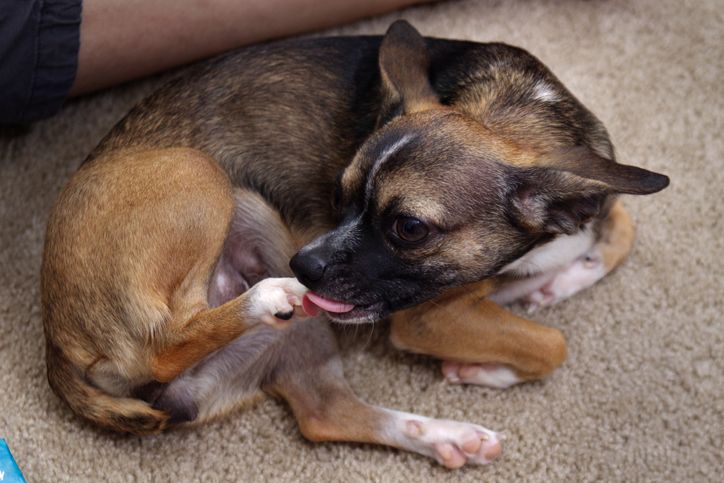
Image Source: www.whole-dog-journal.com
Fathoming Dog Nail Chewing: More Than Just Bad Habits
Dogs explore the world with their mouths, and sometimes that exploration extends to their own paws. Nail chewing in dogs isn’t always a sign of a problem, but it’s important to determine when it’s a normal behavior and when it signals an underlying issue.
Normal Grooming or Something More?
Occasional nail licking or chewing might simply be your dog’s way of keeping their paws clean. However, persistent or intense chewing should raise a red flag. Differentiating between routine grooming and problematic excessive nail biting in dogs is vital.
- Occasional licking/chewing: Usually short-lived and not accompanied by other symptoms.
- Persistent/intense chewing: Often accompanied by redness, swelling, limping, or behavioral changes.
When to Consult a Veterinarian About Dog Nail Chewing?
If you observe any of the following, schedule a vet appointment:
- Bleeding or broken nails
- Swelling or redness around the nail bed
- Limping
- Changes in appetite or behavior
- Excessive salivation
- The problem of dog nail licking and chewing doesn’t stop
Common Dog Nail Chewing Causes: Medical Issues
Several medical conditions can lead to nail chewing. A veterinarian dog nail chewing examination is essential to rule out these possibilities.
Allergies
Dog nail biting allergies are a significant reason for paw chewing. Allergies cause the paws to become itchy and inflamed, leading to chewing in an attempt to relieve the discomfort.
- Environmental Allergies (Atopy): Pollen, mold, dust mites.
- Food Allergies: Certain ingredients in your dog’s food.
- Contact Allergies: Irritants like carpet cleaners or certain types of grass.
Symptoms of Allergies Besides Nail Chewing:
- Scratching at the ears
- Rubbing face on furniture
- Skin rashes
- Digestive upset
Table: Allergy Symptoms and Possible Causes
| Symptom | Possible Cause |
|---|---|
| Itchy Paws | Environmental, Food, Contact Allergies |
| Ear Infections | Environmental Allergies |
| Skin Rashes | Food, Contact Allergies |
| Vomiting/Diarrhea | Food Allergies |
Infections
Bacterial or fungal infections in the nail bed can cause intense itching and discomfort, leading to nail chewing.
- Bacterial Infections: Often secondary to trauma or allergies.
- Fungal Infections (Yeast): Thrives in warm, moist environments.
Signs of Infections:
- Redness
- Swelling
- Discharge
- Odor
Parasites
Although less common, parasites like mites can infest the paws and cause intense itching, leading to chewing.
- Mites (Demodex, Sarcoptes): Microscopic parasites that burrow into the skin.
Signs of Parasites:
- Intense itching
- Hair loss
- Skin lesions
Pain
Pain in the paws, whether from an injury, a foreign object, or arthritis, can cause a dog to chew its nails.
- Injuries: Broken nails, cuts, abrasions.
- Foreign Objects: Thorns, splinters.
- Arthritis: Joint pain in older dogs.
Signs of Pain:
- Limping
- Sensitivity to touch
- Reluctance to walk
Nail Bed Tumors
While rare, tumors in the nail bed can cause pain and discomfort, leading to nail chewing.
Signs of Tumors:
- Swelling around the nail
- Deformed nail growth
- Bleeding
Common Dog Nail Chewing Causes: Behavioral Issues
Sometimes, the reason behind nail chewing is psychological.
Anxiety and Stress
Dog chewing paws anxiety is a common trigger for nail chewing. Just like humans bite their nails when stressed, dogs may do the same.
- Separation Anxiety: Distress when left alone.
- Generalized Anxiety: Constant worry or fear.
- Changes in Environment: Moving, new pets, or people.
Signs of Anxiety:
- Panting
- Pacing
- Whining
- Destructive behavior
Boredom
Lack of mental and physical stimulation can lead to boredom, which can manifest as nail chewing.
Signs of Boredom:
- Excessive barking
- Destructive chewing
- Restlessness
Compulsive Behavior
In some cases, nail chewing can become a compulsive behavior. Compulsive nail chewing dogs engage in the behavior repeatedly, even when there’s no obvious trigger. This is sometimes referred to as canine onychophagia.
Signs of Compulsive Behavior:
- Repetitive behavior
- Difficulty stopping the behavior
- Behavior interferes with normal activities
Diagnosing the Root Cause of Dog Nail Chewing
A thorough veterinary examination is crucial to determine the underlying cause of your dog’s nail chewing.
Physical Examination
The vet will examine your dog’s paws, looking for signs of:
- Redness
- Swelling
- Discharge
- Broken nails
- Foreign objects
Diagnostic Tests
Depending on the physical exam findings, the vet may recommend the following tests:
- Skin Scrapings: To check for mites.
- Cytology: To examine cells from the skin or nail bed for bacteria or yeast.
- Fungal Culture: To identify fungal infections.
- Allergy Testing: To identify allergens.
- Blood Tests: To rule out underlying medical conditions.
- X-rays: To check for bone or joint problems.
Behavioral Assessment
If medical causes are ruled out, the vet may refer you to a veterinary behaviorist for a behavioral assessment. This may involve:
- Observing your dog’s behavior in different situations.
- Asking you about your dog’s history and daily routine.
- Identifying potential triggers for the nail chewing.
How to Stop Dog Chewing Nails: Treatment Options
Treatment depends entirely on the underlying cause.
Treating Medical Conditions
- Allergies:
- Antihistamines
- Steroids
- Immunotherapy (allergy shots)
- Special diets (for food allergies)
- Infections:
- Antibiotics (for bacterial infections)
- Antifungal medications (for fungal infections)
- Parasites:
- Parasiticides
- Pain:
- Pain medication
- Treatment of underlying condition (e.g., arthritis management)
- Tumors:
- Surgery
- Chemotherapy
- Radiation therapy
Addressing Behavioral Issues
- Anxiety:
- Behavior modification techniques (e.g., counter-conditioning, desensitization)
- Anxiolytic medications
- Calming supplements
- Creating a safe and comfortable environment
- Boredom:
- Increased exercise
- Interactive toys
- Puzzle feeders
- Training sessions
- Compulsive Behavior:
- Behavior modification techniques
- Medication (e.g., SSRIs)
General Tips to Discourage Nail Chewing
Regardless of the underlying cause, these tips can help discourage nail chewing:
- Keep nails trimmed: Regular nail trims can reduce the urge to chew.
- Use a deterrent: Apply a bitter-tasting product to the nails (check with your vet first).
- Provide alternative chew toys: Give your dog plenty of appropriate chew toys to redirect their chewing behavior.
- Use a cone or sock: This can prevent access to the paws while you address the underlying cause.
- Positive reinforcement: Reward your dog for not chewing their nails.
- Address the root cause: Work with your veterinarian and/or a veterinary behaviorist to identify and address the underlying cause of the nail chewing.
Preventing Nail Chewing in Dogs
While not always preventable, these steps can help minimize the risk:
- Proper diet: Feed your dog a high-quality diet to support healthy skin and coat.
- Regular grooming: Keep your dog clean and well-groomed.
- Flea and tick prevention: Protect your dog from parasites.
- Mental and physical stimulation: Provide plenty of exercise and enrichment.
- Stress reduction: Minimize stress in your dog’s environment.
- Early intervention: Address any signs of nail chewing early on.
Case Studies: Real-Life Examples of Diagnosing and Treating Nail Chewing
Case Study 1: The Anxious Terrier
- Patient: A 3-year-old Terrier named Max, presented with excessive nail chewing and licking of paws.
- Symptoms: Chewed nails, redness between the toes, panting, and pacing when left alone.
- Diagnosis: Separation anxiety.
- Treatment: Behavior modification techniques (crate training, desensitization exercises), calming supplements, and increased daily exercise.
- Outcome: Max’s nail chewing decreased significantly, and his anxiety symptoms improved.
Case Study 2: The Allergic Labrador
- Patient: A 5-year-old Labrador Retriever named Bella, presented with nail chewing, scratching, and recurrent ear infections.
- Symptoms: Red, inflamed paws, chewed nails, constant scratching, and head shaking.
- Diagnosis: Environmental allergies (atopy).
- Treatment: Antihistamines, topical steroids for the paws, and immunotherapy (allergy shots).
- Outcome: Bella’s itching and nail chewing decreased, and her ear infections became less frequent.
FAQ: Common Questions About Dog Nail Chewing
- Is nail chewing always a sign of a problem? No, occasional nail licking or chewing can be normal grooming behavior. However, persistent or intense chewing should be investigated.
- Can I just ignore my dog’s nail chewing? It’s best to investigate the underlying cause, as it could be a sign of a medical or behavioral problem.
- What can I put on my dog’s nails to stop them from chewing? Bitter-tasting products can be effective, but consult your veterinarian first.
- What if my dog is chewing his nails due to anxiety? Work with your vet or a veterinary behaviorist to address the anxiety through behavior modification and/or medication.
- How often should I trim my dog’s nails? Generally, every 2-3 weeks, but it depends on your dog’s breed and activity level.
Conclusion
Nail chewing in dogs can be a complex issue with various underlying causes. Identifying the root of the problem, whether it’s a medical condition or a behavioral issue, is essential for effective treatment. Partner with your veterinarian to develop a comprehensive plan that addresses your dog’s specific needs and promotes their overall well-being. Addressing the problem early is the best way to keep your dog happy and healthy.