
Why is it funny to give dogs peanut butter? The humor stems from the comical struggle dogs often exhibit while trying to eat the sticky treat. Their tongues flail, their noses wrinkle, and they make funny faces as they attempt to dislodge the peanut butter from the roof of their mouths. This awkward and endearing struggle is what fuels the popularity of dog peanut butter funny videos.
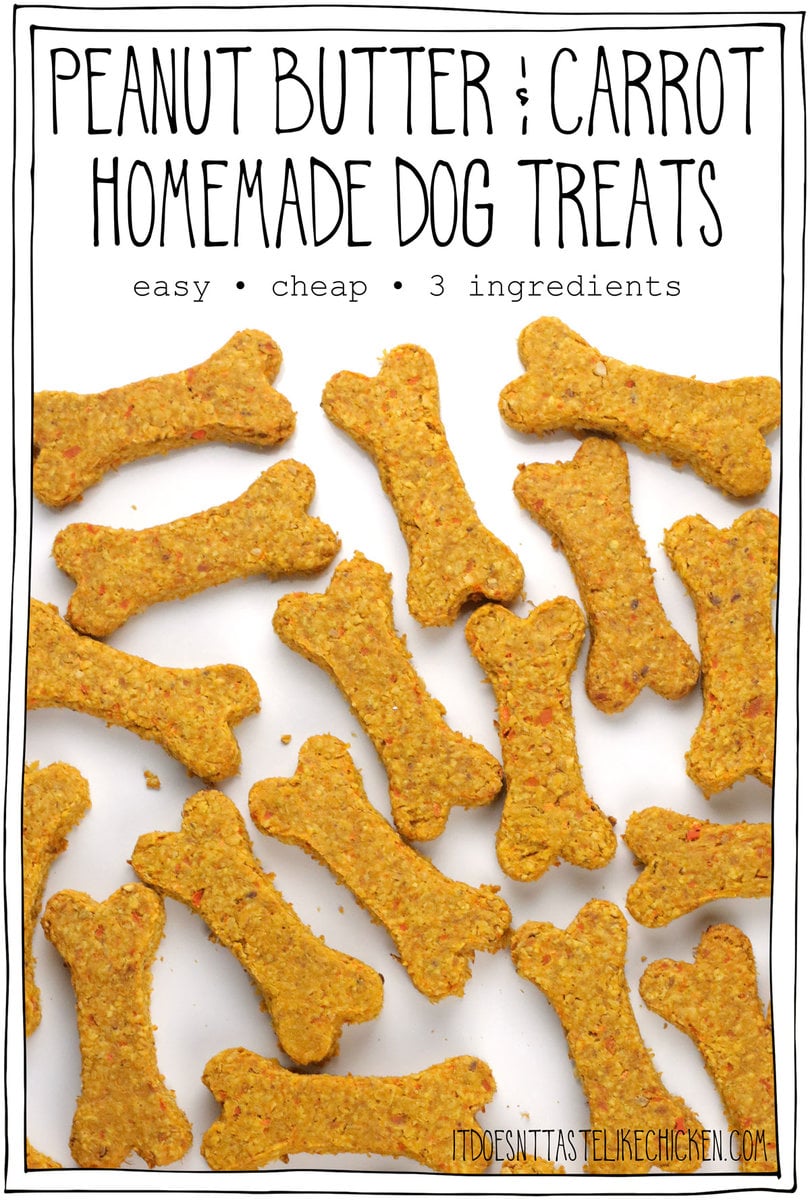
Image Source: itdoesnttastelikechicken.com
The Allure of Peanut Butter: Why Dogs Go Nuts
Dogs eating peanut butter hilarious moments are abundant online. But why do dogs love this sticky substance so much?
A Taste Sensation
Peanut butter is packed with flavors dogs adore. It’s salty, sweet, and savory all rolled into one.
- High Fat Content: Dogs are naturally drawn to foods with high-fat content. Peanut butter delivers this in spades.
- Palatability: The unique texture and rich flavor make it incredibly appealing to most dogs.
- Protein Boost: Peanut butter provides a decent source of protein, which is essential for a dog’s diet.
The Unique Eating Experience
Beyond the taste, the act of eating peanut butter presents a unique challenge for dogs, leading to the unforgettable peanut butter dog face.
- Sticky Situation: Peanut butter’s stickiness makes it adhere to the roof of a dog’s mouth, causing them to contort their faces and make exaggerated licking motions.
- The Tongue Twister: Dogs use their tongues in various ways to try and dislodge the peanut butter, resulting in comical facial expressions.
- Persistence Pays Off: The determination dogs display while working to eat peanut butter is entertaining.
Decoding the Funny Faces: What Your Dog Is Really Thinking
When you give your dog peanut butter, it’s not just a treat; it’s a full-blown sensory experience. The resulting dog peanut butter reaction is often priceless. But what are they really thinking?
The Initial Excitement
Initially, there’s unbridled joy. The smell alone is enough to send many dogs into a tail-wagging frenzy.
- Anticipation: They know they’re about to get something special, and their anticipation is palpable.
- Eager Acceptance: Most dogs readily accept the peanut butter offering, often licking it with gusto.
The Sticky Struggle
Then comes the moment of realization – this stuff is sticky.
- Confusion: Their initial reaction might involve a confused look as they try to process the texture.
- Determination: After the initial surprise, their problem-solving skills kick in. They start employing various tongue maneuvers.
- Frustration (Maybe): If the peanut butter is particularly thick, you might see a hint of frustration in their eyes.
The Ultimate Satisfaction
Finally, after much effort, they manage to consume the peanut butter.
- Triumph: The look of satisfaction on their face is undeniable.
- Lingering Taste: They continue to lick their lips and nose, savoring every last bit of flavor.
- A Desire for More: In most cases, they’ll be looking at you with pleading eyes for another helping.
Viral Sensations: The Rise of Peanut Butter Challenge Dogs
The internet loves a good laugh, and peanut butter challenge dogs have become a staple of online entertainment. The premise is simple: film your dog eating peanut butter and share the hilarity.
Why the Peanut Butter Challenge Is So Popular
Several factors contribute to the popularity of these videos.
- Relatability: Dog owners can relate to the experience of giving their dogs peanut butter and witnessing their funny reactions.
- Shareability: These videos are easily shareable on social media platforms, spreading the laughter far and wide.
- Lighthearted Fun: They provide a dose of lighthearted entertainment that’s suitable for all ages.
- Variety: Each dog’s reaction is unique, ensuring a constant stream of fresh and amusing content.
Examples of Viral Peanut Butter Dog Videos
- The Tongue-Tied Terror: A video of a bulldog struggling to get the peanut butter off its tongue became an instant classic.
- The Nose Wrinkler: A golden retriever’s exaggerated nose wrinkles while eating peanut butter garnered millions of views.
- The Head Tilter: A husky’s head-tilting antics while trying to figure out the sticky treat went viral.
Safety First: Peanut Butter Precautions
While peanut butter entertainment for dogs can be fun, it’s crucial to prioritize safety.
Xylitol Alert
- What is Xylitol?: Xylitol is an artificial sweetener that is highly toxic to dogs.
- Check the Label: Always check the peanut butter label to ensure it doesn’t contain xylitol. Even small amounts can be fatal to dogs.
- Symptoms of Xylitol Poisoning: Symptoms include vomiting, weakness, loss of coordination, seizures, and liver failure. Contact your veterinarian immediately if you suspect your dog has ingested xylitol.
Moderation Is Key
- Portion Control: Peanut butter is high in fat and calories, so moderation is essential.
- Obesity Risk: Overfeeding can lead to weight gain and obesity, which can cause various health problems.
- Digestive Issues: Too much peanut butter can also cause digestive upset, such as diarrhea or vomiting.
Allergy Awareness
- Peanut Allergies in Dogs: While rare, dogs can be allergic to peanuts.
- Symptoms of Allergic Reaction: Symptoms include itching, hives, swelling, vomiting, and diarrhea.
- Veterinary Consultation: If you suspect your dog is allergic to peanuts, consult your veterinarian.
Fathoming Dog Fascination: Why Dogs Love Peanut Butter – A Deeper Dive
Beyond the simple explanation of taste and texture, there are other factors at play that contribute to why dogs love peanut butter comical.
Evolutionary Instincts
- Survival Mechanism: Dogs evolved as scavengers, and their bodies are wired to seek out calorie-dense foods.
- Fat as Energy Source: Fat provides a concentrated source of energy, which was crucial for survival in the wild.
- Inherited Preference: This preference for fat has been passed down through generations.
Psychological Factors
- Positive Association: Dogs often associate peanut butter with positive experiences, such as training or playtime.
- Reward System: Giving your dog peanut butter can be a way to reinforce good behavior.
- Bonding Experience: Sharing a treat with your dog can strengthen your bond.
The Sensory Experience
- Smell: The strong aroma of peanut butter is highly appealing to dogs, who have a much more sensitive sense of smell than humans.
- Texture: The creamy, sticky texture of peanut butter provides a unique sensory experience.
- Taste: The combination of sweet, salty, and savory flavors is irresistible to many dogs.
Maximizing the Fun (Safely): Creative Ways to Use Peanut Butter
Looking for ways to incorporate dog peanut butter funny moments into your dog’s life safely? Here are a few ideas:
Peanut Butter-Filled Toys
- Kong Stuffing: Fill a Kong toy with peanut butter and freeze it for a long-lasting treat.
- Puzzle Toys: Use peanut butter to entice your dog to solve puzzle toys.
- DIY Snuffle Mats: Smear peanut butter on a snuffle mat to encourage foraging behavior.
Baking Dog Treats
- Homemade Dog Biscuits: Add peanut butter to homemade dog biscuit recipes.
- Peanut Butter Pupcakes: Bake miniature peanut butter cupcakes for a special occasion.
- Frozen Peanut Butter Bites: Blend peanut butter with other dog-friendly ingredients and freeze in ice cube trays.
Training Aid
- High-Value Reward: Use peanut butter as a high-value reward during training sessions.
- Lure and Reward: Use a small amount of peanut butter on a spoon to lure your dog into a desired position.
- Distraction Technique: Use peanut butter to distract your dog during grooming or veterinary procedures.
Contemplating The Comical: What Makes Peanut Butter Stuck on Dog Palate So Amusing?
The specific image of peanut butter stuck on dog palate is so funny for several key reasons:
The Visual Gag
- Exaggerated Expressions: The sticky texture forces dogs to make exaggerated facial expressions as they try to dislodge the peanut butter.
- Tongue Gymnastics: Their attempts to use their tongues to reach the peanut butter result in hilarious contortions.
- Slowness of Movement: The stickiness slows down their movements, making the entire process even funnier.
The Unexpectedness
- Contrast: The contrast between their initial enthusiasm and their subsequent struggle is humorous.
- Vulnerability: Seeing a usually dignified dog struggling with something as simple as peanut butter is endearing.
- Surprise: You never quite know what kind of funny face they’re going to make next.
Humanization
- Relatable Struggle: We can relate to the feeling of having something stuck in our mouths.
- Anthropomorphism: We project human emotions onto our dogs, making their struggles seem even more comical.
- Shared Experience: Watching these videos allows us to share a laugh with other dog lovers.
Viewing Funny Dog Videos Peanut Butter: A Window into Canine Joy
Funny dog videos peanut butter are more than just a source of amusement; they offer a glimpse into the simple joys of canine life.
Canine Happiness
- Simple Pleasures: These videos remind us that dogs find happiness in the simplest things.
- Unconditional Love: Their unwavering enthusiasm for peanut butter is a testament to their unconditional love of food (and their owners).
- Joyful Expressions: Their faces light up with joy when they get a taste of peanut butter.
Human Connection
- Empathy: Watching these videos allows us to connect with our dogs on a deeper level.
- Appreciation: We appreciate their quirky personalities and their unique way of experiencing the world.
- Shared Laughter: Sharing these videos with others allows us to spread joy and laughter.
The Power of Positivity
- Stress Relief: Watching funny dog videos can be a great way to relieve stress.
- Mood Booster: They can instantly lift your mood and put a smile on your face.
- Positive Energy: They remind us to focus on the positive aspects of life.
Deciphering Dog Facial Expressions Peanut Butter: What Are They Telling Us?
By studying dog facial expressions peanut butter, we can learn more about canine communication and emotions.
Micro-expressions
- Subtle Cues: Dogs use subtle facial cues to communicate their feelings.
- Eye Movements: Their eyes can reveal a lot about their emotional state.
- Mouth Position: The position of their mouth can indicate whether they’re happy, stressed, or anxious.
Body Language
- Tail Wags: Tail wags can indicate happiness, excitement, or alertness.
- Ear Position: The position of their ears can indicate whether they’re relaxed, attentive, or fearful.
- Posture: Their posture can indicate whether they’re confident, submissive, or aggressive.
Emotional Range
- Complex Emotions: Dogs are capable of experiencing a wide range of emotions.
- Happiness, Sadness, Fear, Anger: They can feel happiness, sadness, fear, anger, and many other emotions.
- Communication: They use facial expressions and body language to communicate these emotions to us.
FAQ: Peanut Butter and Dogs
-
Can all dogs eat peanut butter?
Most dogs can eat peanut butter, but it’s essential to check the label for xylitol and to introduce it gradually to avoid digestive upset. If your dog has a known peanut allergy, avoid peanut butter altogether.
* How much peanut butter can I give my dog?Moderation is key. A small spoonful is usually sufficient for most dogs. Larger dogs can have slightly more, but always err on the side of caution. Consult your veterinarian for personalized recommendations.
* Is peanut butter a healthy treat for dogs?Peanut butter can be a healthy treat in moderation. It provides protein, healthy fats, and vitamins. However, it’s also high in calories, so it should be given sparingly.
* What kind of peanut butter is best for dogs?Choose natural, unsalted peanut butter with no added sugar or artificial sweeteners. The fewer ingredients, the better. Always check the label for xylitol.
* Can peanut butter cause allergies in dogs?Yes, although it’s not very common. If your dog displays signs of an allergic reaction (itching, hives, swelling, vomiting, diarrhea), stop giving them peanut butter and consult your veterinarian.
* How do I know if my dog is allergic to peanut butter?
* Symptoms of peanut butter allergies in dogs may vary from mild skin irritations to more severe reactions such as vomiting, diarrhea, difficulty breathing, and facial swelling. Consult a vet if concerned.
Dive into the delight of doggy peanut butter and discover it’s far more than a fleeting internet craze. This tasty treat is a vibrant expression of the profound connection we share with our furry friends, a joyful acknowledgment of their distinct quirks, and a guaranteed wellspring of laughter. Just keep safety and sensible portions in mind, and savor those hilarious peanut butter moments responsibly.