
The dog spay surgery duration typically ranges from 20 minutes to an hour. However, the dog spay procedure length varies. It depends on factors such as the dog’s size, age, health, and whether or not she’s in heat. This comprehensive guide will walk you through everything you need to know about canine sterilization surgery timeline, what affects the spay procedure average length, and what to expect during the typical spay recovery period.
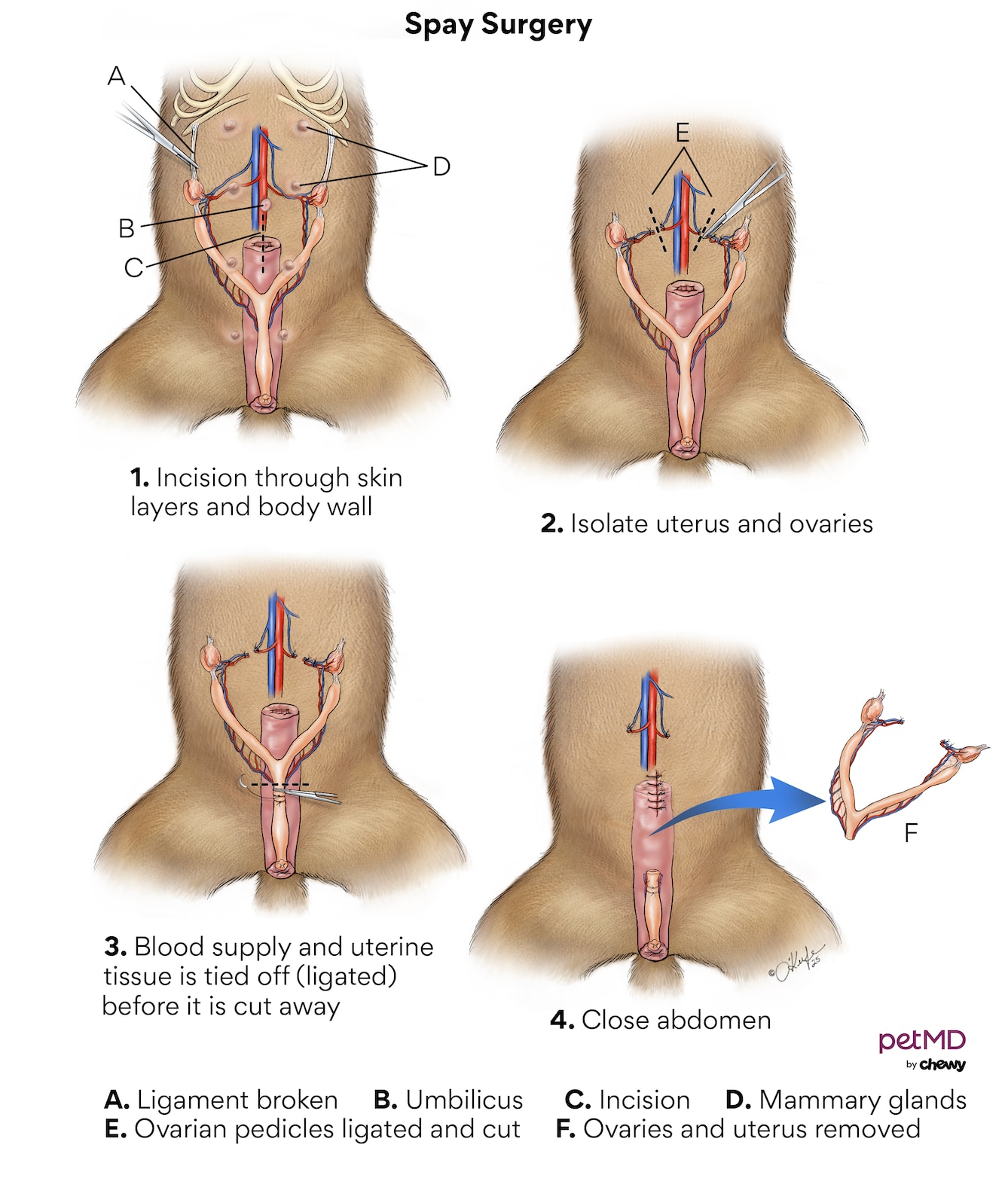
Image Source: image.petmd.com
What is Spaying?
Spaying, technically called an ovariohysterectomy, is the surgical removal of a female dog’s uterus and ovaries. This procedure prevents pregnancy and eliminates the heat cycle. It also offers significant health benefits, reducing the risk of certain cancers and uterine infections. Dog neutering operation time and recovery are important considerations for any dog owner contemplating this procedure.
Standard Dog Spay Surgery Duration
The actual surgery itself, from incision to closure, usually takes between 20 minutes and an hour. However, this isn’t the only time involved. The total time your dog spends at the veterinary clinic will be longer. This includes preparation, anesthesia induction, the surgery itself, recovery from anesthesia, and post-operative monitoring.
What Happens Before and After the Dog Spay Procedure?
Before the surgery:
- Pre-surgical Examination: The vet will perform a physical exam. They may run blood tests to ensure your dog is healthy enough for anesthesia.
- Anesthesia Induction: Your dog will receive an injection of anesthesia. This will make her unconscious and unable to feel pain during the surgery.
- Preparation: The surgical site will be shaved and cleaned with an antiseptic solution.
After the surgery:
- Recovery from Anesthesia: Your dog will be monitored closely as she wakes up from the anesthesia. This process can take several hours.
- Pain Management: Pain medication will be given to keep your dog comfortable.
- Post-operative Monitoring: The veterinary team will monitor your dog for any signs of complications.
- Discharge Instructions: You’ll receive detailed instructions on how to care for your dog at home, including medication schedules, wound care, and activity restrictions.
Therefore, while the average time for canine ovariohysterectomy is short, the entire process typically requires a full day at the veterinary clinic.
Factors Affecting Spay Duration Dogs
Several factors can influence how long the spay surgery takes:
Dog’s Size and Breed
- Smaller Dogs: Generally, smaller dogs require less time for surgery because their organs are smaller and easier to access.
- Larger Dogs: Larger dogs may require more time due to their larger size and potentially more body fat, which can make it more difficult to locate and remove the reproductive organs.
- Breed-Specific Considerations: Certain breeds may have anatomical variations that can make the surgery more complex.
Age and Health
- Young, Healthy Dogs: Younger dogs who are in good health typically have simpler and faster surgeries. Their tissues are generally more resilient, and there is less risk of complications.
- Older Dogs: Older dogs may have underlying health conditions that can complicate the surgery and anesthesia. This may require additional monitoring and care, increasing the overall time.
- Underlying Conditions: Conditions like heart disease or diabetes can extend the time needed for the procedure due to the need for more careful monitoring and adjustments to the anesthesia.
Stage of Heat Cycle
- Spaying During Heat: Spaying a dog while she is in heat can significantly increase the complexity and duration of the surgery. The blood vessels in the reproductive organs become engorged and more fragile during heat, increasing the risk of bleeding. This requires the surgeon to be more meticulous, which adds time to the procedure.
- Ideal Timing: The ideal time to spay a dog is generally before her first heat cycle. This minimizes the risk of complications and reduces the complexity of dog spay surgery.
Surgeon’s Experience
- Experienced Surgeons: Veterinarians with extensive experience in spay surgeries can usually perform the procedure more quickly and efficiently while still maintaining a high level of safety.
- Less Experienced Surgeons: Less experienced surgeons may take longer to complete the surgery, especially if they encounter unexpected complications.
Surgical Technique
- Traditional Open Surgery: This technique involves a larger incision in the abdomen. While it allows for good visualization of the organs, it can take longer than laparoscopic surgery.
- Laparoscopic Surgery: This minimally invasive technique uses small incisions and a camera to guide the surgeon. Laparoscopic spaying can result in less pain and a faster recovery but may require specialized equipment and training, and can sometimes take longer for the initial steps.
Unexpected Complications
While rare, unexpected complications can arise during surgery and significantly increase the dog spay procedure average length. These may include:
- Bleeding: Excessive bleeding can occur due to anatomical variations or underlying health conditions.
- Anatomical Abnormalities: Sometimes, the surgeon may encounter unexpected anatomical abnormalities that require additional time and skill to address.
- Adhesions: In older dogs or those with a history of abdominal surgery, adhesions (scar tissue) can form around the reproductive organs, making them more difficult to remove.
What to Expect During the Spay Procedure: A Step-by-Step Overview
Here’s a detailed look at what happens during a typical spay procedure:
- Pre-Anesthetic Examination and Preparation:
- The veterinarian performs a thorough physical exam to ensure the dog is healthy enough for surgery.
- Blood tests may be conducted to check organ function and blood cell counts.
- The dog is given a pre-anesthetic sedative to help her relax.
- Anesthesia Induction:
- An intravenous catheter is placed to administer fluids and medications.
- Anesthesia is induced using an injectable anesthetic drug.
- Once the dog is unconscious, a breathing tube is inserted into her trachea to deliver oxygen and anesthetic gas.
- Surgical Preparation:
- The surgical site (usually the abdomen) is shaved and cleaned with an antiseptic solution.
- The dog is positioned on the surgical table, and sterile drapes are placed to create a sterile field.
- Incision:
- The surgeon makes an incision along the midline of the abdomen, usually a few inches long. The exact length and placement of the incision may vary depending on the dog’s size and the surgeon’s preference.
- Locating and Removing the Ovaries:
- The surgeon carefully locates the ovaries, which are attached to the body wall by ligaments.
- The ligaments are cut or cauterized to free the ovaries.
- Blood vessels supplying the ovaries are clamped and ligated (tied off) to prevent bleeding.
- The ovaries are then removed.
- Removing the Uterus:
- The surgeon locates the uterus, which is connected to the ovaries and the cervix.
- Blood vessels supplying the uterus are clamped and ligated.
- The uterus is separated from the cervix and removed.
- Closure:
- The surgeon carefully examines the surgical site to ensure there is no bleeding.
- The abdominal muscles are stitched together in one or two layers.
- The skin is closed with sutures or staples.
- Recovery:
- The dog is monitored closely as she wakes up from the anesthesia.
- Pain medication is administered to keep her comfortable.
- The surgical site is checked for any signs of complications, such as bleeding or infection.
Typical Spay Recovery Period
The typical spay recovery period is about 10-14 days. During this time, it’s crucial to follow your veterinarian’s instructions carefully. Here’s what you can expect:
- First Few Days: Your dog will likely be tired and may have a reduced appetite. Provide a quiet, comfortable place for her to rest. Offer small amounts of food and water frequently.
- Pain Management: Continue to administer pain medication as prescribed by your veterinarian.
- Wound Care: Check the incision site daily for signs of infection, such as redness, swelling, discharge, or pain. Prevent your dog from licking or chewing at the incision by using an Elizabethan collar (cone).
- Activity Restriction: Limit your dog’s activity to short, leashed walks. Avoid strenuous exercise, running, jumping, and playing.
- Suture Removal: If non-dissolvable sutures were used, they will need to be removed by your veterinarian in 10-14 days.
- Monitoring for Complications: Watch for any signs of complications, such as excessive bleeding, vomiting, diarrhea, or lethargy. Contact your veterinarian immediately if you notice anything concerning.
Potential Risks and Complications
While spaying is a relatively safe procedure, there are some potential risks and complications to be aware of:
- Anesthesia Risks: All anesthetic procedures carry some risk. Your veterinarian will take precautions to minimize these risks, such as performing pre-anesthetic blood tests and carefully monitoring your dog during surgery.
- Bleeding: Excessive bleeding can occur during or after surgery, especially if the dog is in heat.
- Infection: Infection can occur at the incision site if it is not kept clean and dry.
- Seroma: A seroma is a collection of fluid under the skin at the incision site. It is usually not serious and will resolve on its own, but it may require drainage by your veterinarian.
- Hernia: A hernia can occur if the abdominal muscles do not heal properly.
- Weight Gain: Some dogs may gain weight after being spayed due to changes in their metabolism. This can be managed with diet and exercise.
- Urinary Incontinence: In rare cases, spayed dogs may develop urinary incontinence (leaking urine), especially as they get older. This can often be managed with medication.
Alternatives to Traditional Spaying
While ovariohysterectomy is the most common spay procedure, there are some alternatives:
- Ovariectomy: This involves removing only the ovaries, leaving the uterus in place. It is a less invasive procedure than ovariohysterectomy and may result in a shorter surgery duration. However, there is a small risk of uterine infection later in life.
- Laparoscopic Spaying: As mentioned earlier, this minimally invasive technique uses small incisions and a camera to guide the surgeon. It can result in less pain and a faster recovery.
- Chemical Sterilization: This involves using drugs to suppress fertility. However, this is not a permanent solution and may have side effects.
Cost of Spaying a Dog
The cost of spaying a dog can vary widely depending on several factors, including:
- Location: Veterinary costs tend to be higher in urban areas than in rural areas.
- Veterinary Clinic: Prices can vary between different clinics.
- Dog’s Size: Larger dogs may cost more to spay due to the need for more anesthesia and medication.
- Additional Services: The cost may include pre-anesthetic blood tests, pain medication, and a cone to prevent licking the incision.
- Complications: If complications arise during surgery, the cost may increase.
It’s a good idea to call several veterinary clinics in your area to get price estimates. Many shelters and rescue organizations also offer low-cost spay/neuter programs.
Making the Decision to Spay Your Dog
Deciding whether or not to spay your dog is a personal decision. Consider the benefits, risks, and alternatives before making a choice. Talk to your veterinarian to get personalized advice based on your dog’s individual needs.
Spaying offers numerous health and behavioral benefits, including preventing pregnancy, reducing the risk of certain cancers and uterine infections, and eliminating heat cycles. While there are some risks associated with the procedure, they are generally low.
Frequently Asked Questions (FAQ)
How long is a dog under anesthesia for spay?
The how long is a dog under anesthesia for spay varies but typically ranges from 30 minutes to an hour, including preparation and recovery time. The actual surgery time is usually shorter.
What is the best age to spay my dog?
The best age to spay your dog is typically before her first heat cycle, around 6 months of age. However, your veterinarian can provide personalized recommendations based on your dog’s breed, size, and health.
Can I spay my dog while she is in heat?
Yes, you can spay your dog while she is in heat, but it is generally not recommended. The surgery is more complex and carries a higher risk of bleeding. If you must spay your dog while she is in heat, discuss the risks and benefits with your veterinarian.
What should I feed my dog after spay surgery?
Feed your dog a bland, easily digestible diet for the first few days after surgery. Your veterinarian may recommend a specific diet or suggest feeding small amounts of boiled chicken and rice.
How long will my dog need to wear a cone after spaying?
Your canine companion will likely sport a protective cone for about two weeks, or until their surgical site is fully mended. This essential gear acts as a barrier, keeping curious tongues and teeth away from the incision, thereby warding off infection and ensuring a swift recovery.